TC Health
1 / 5
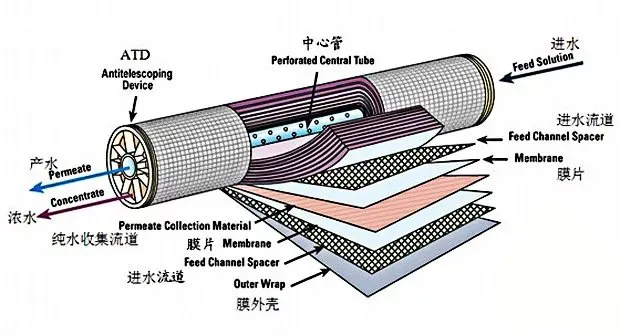
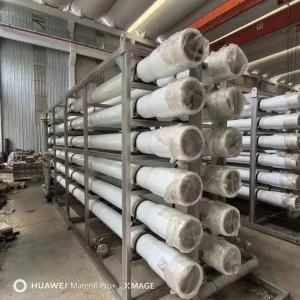
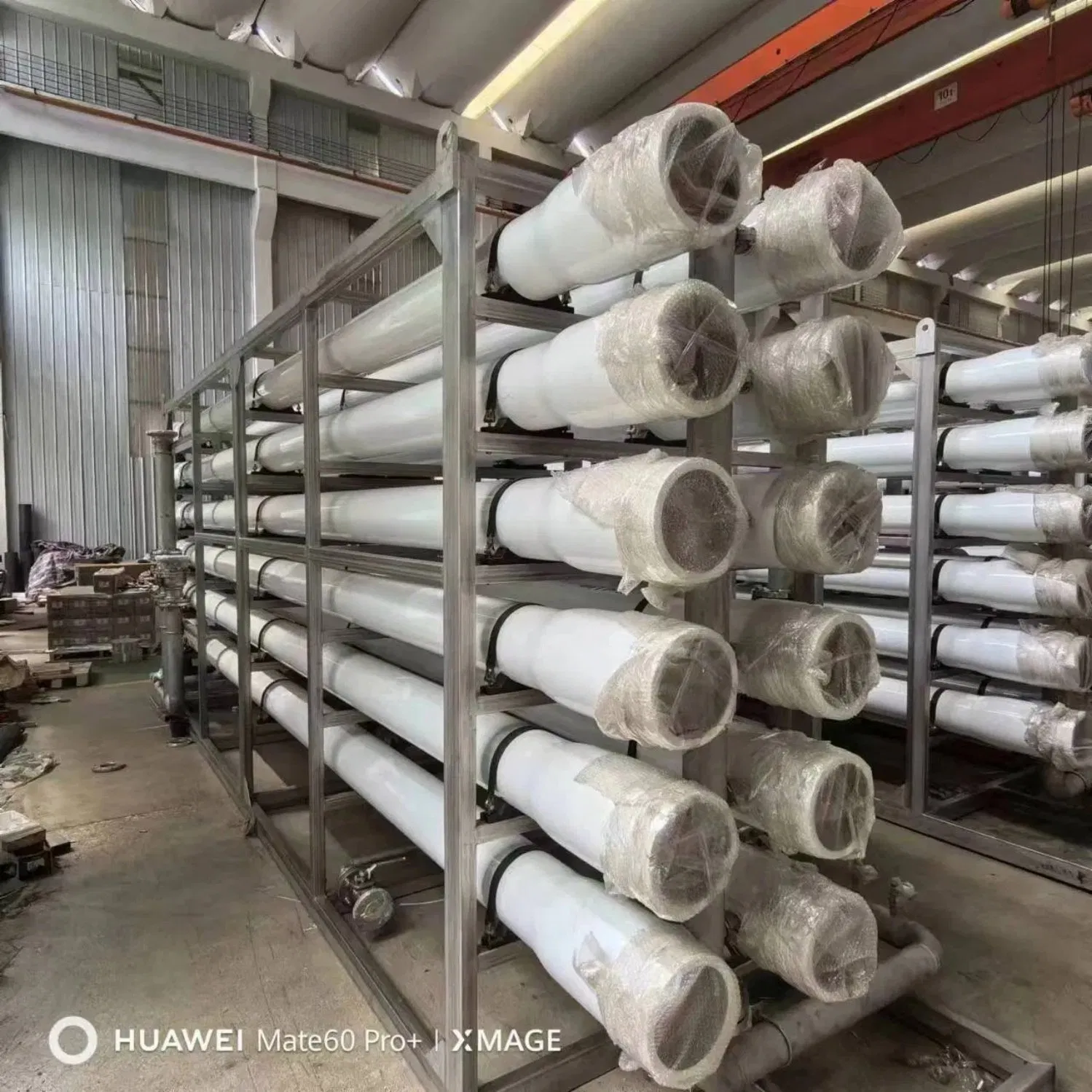
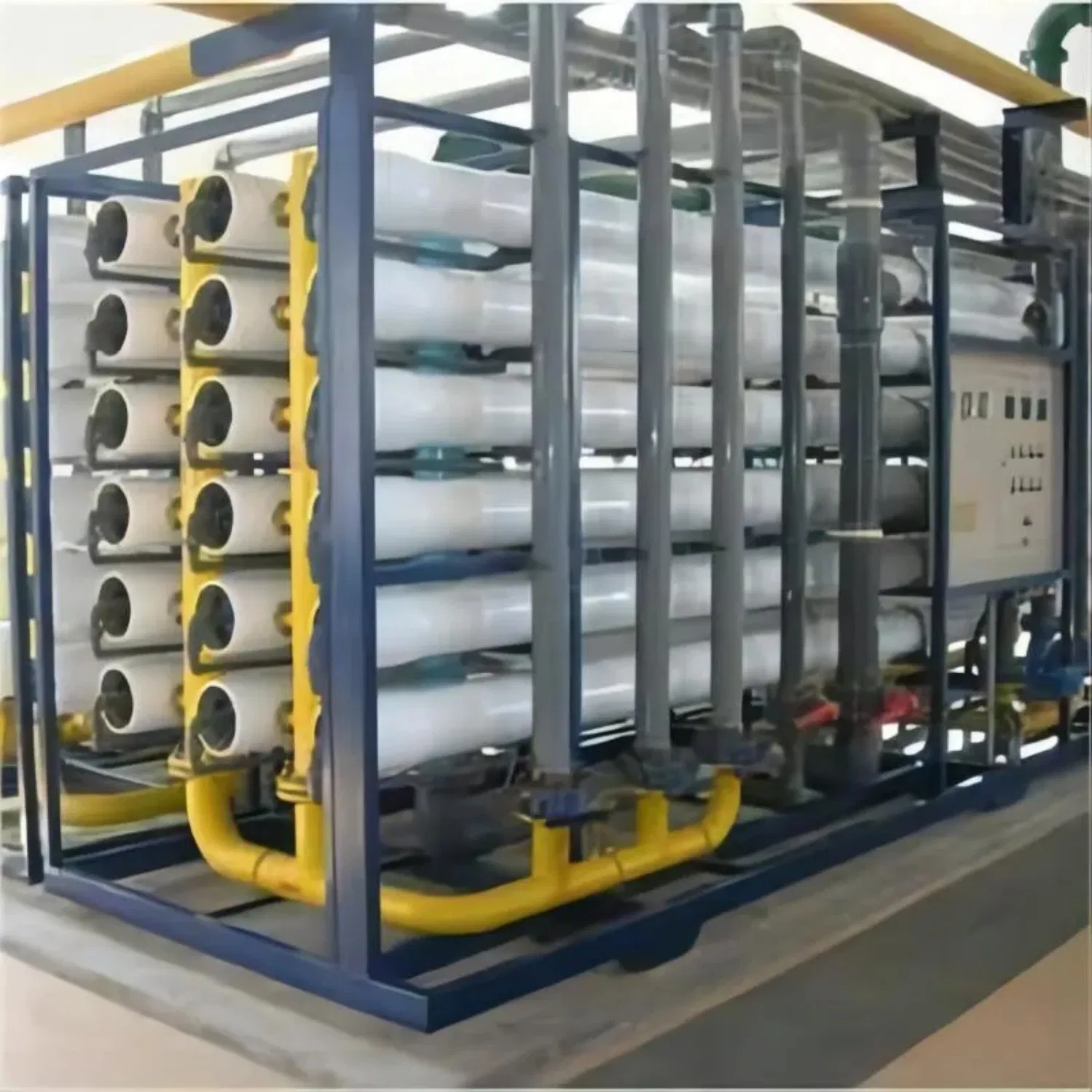
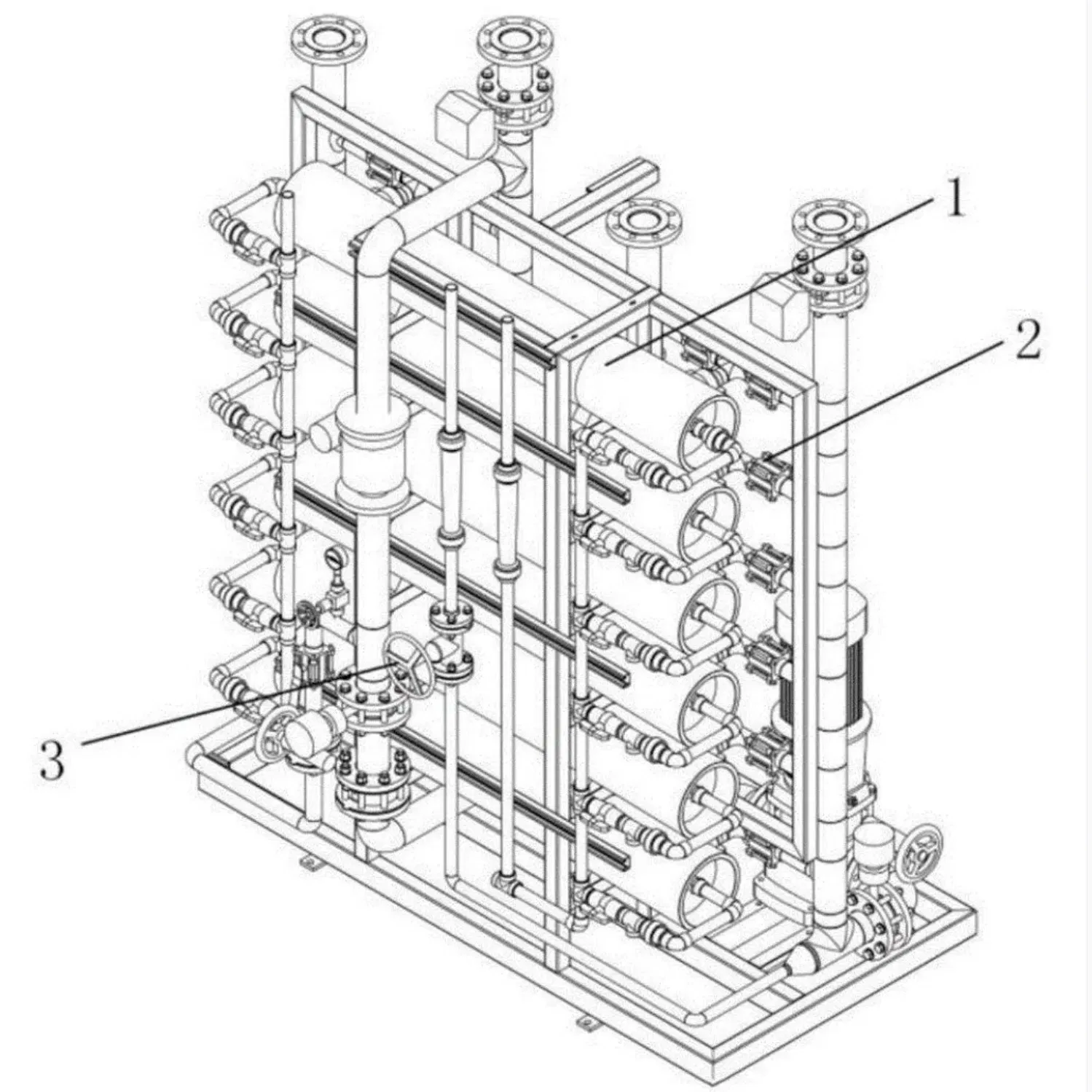
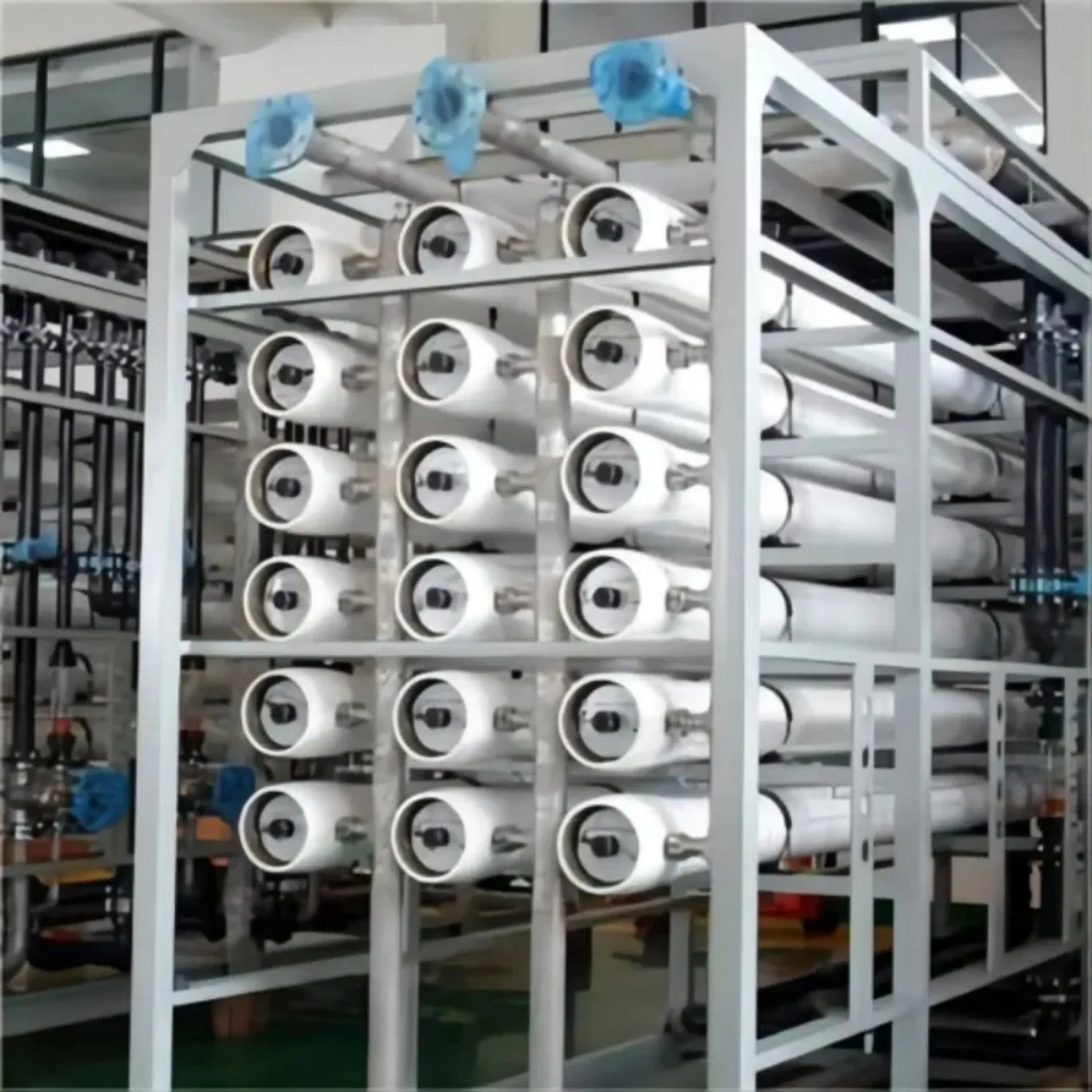
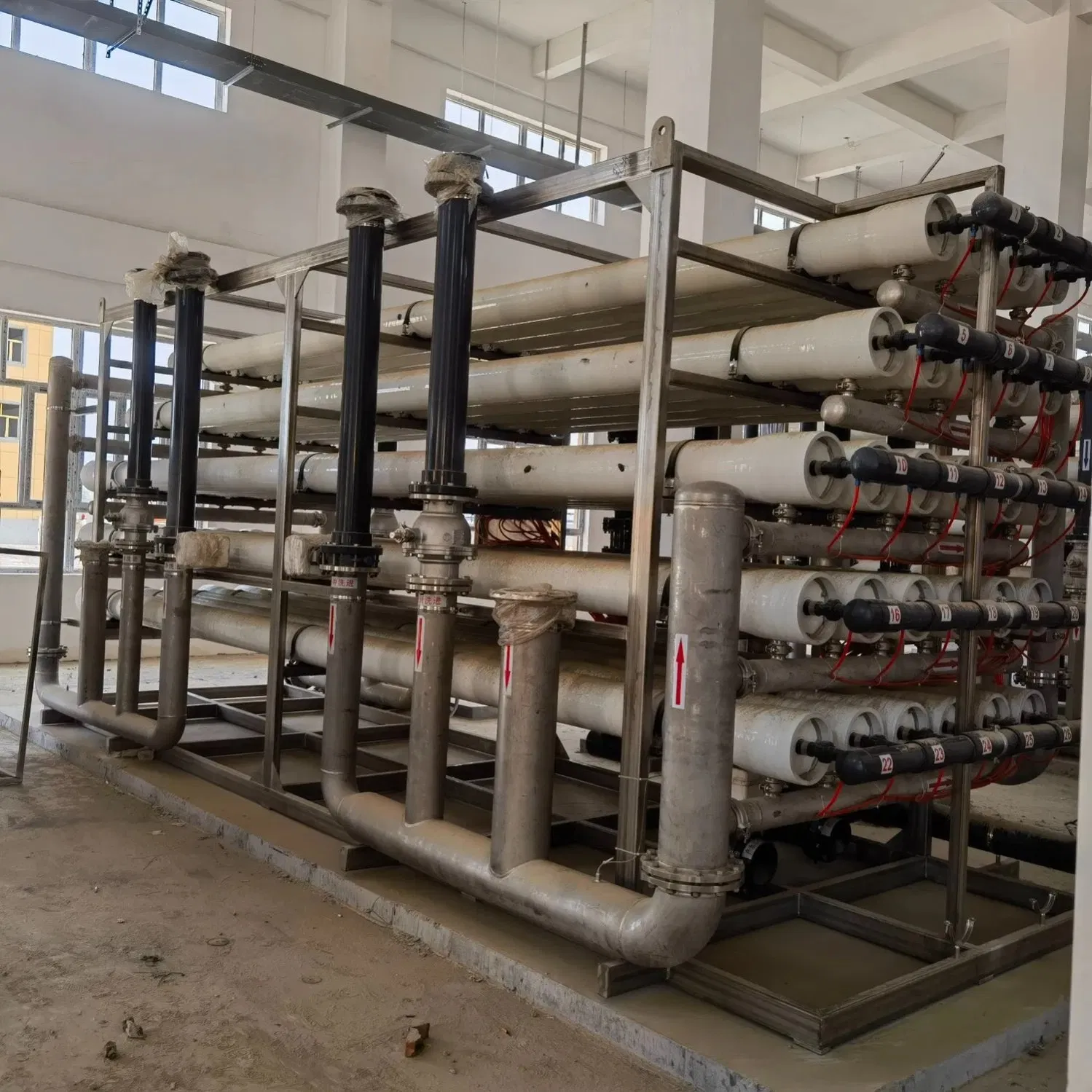
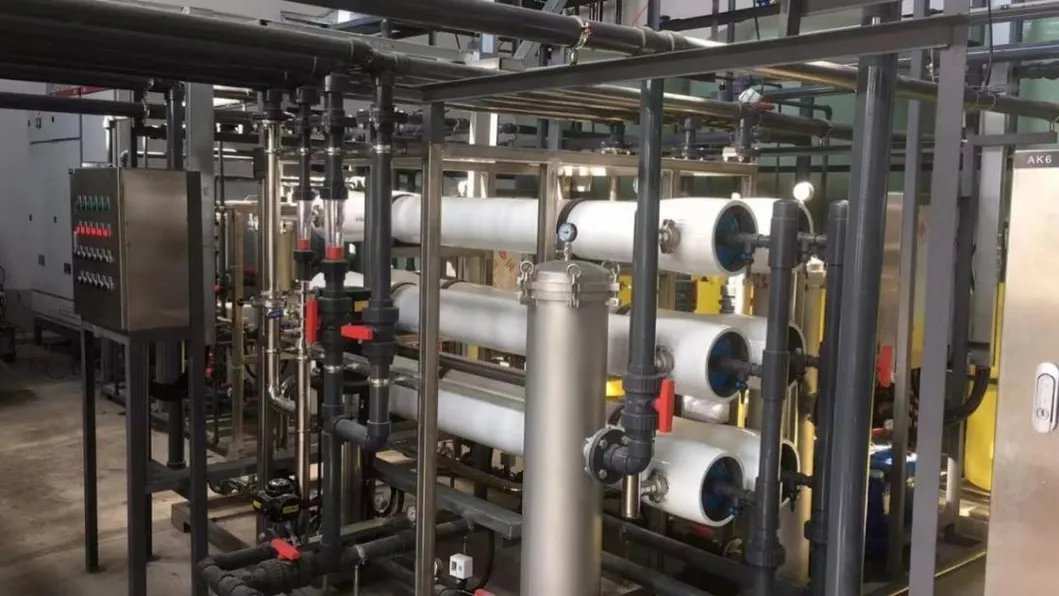
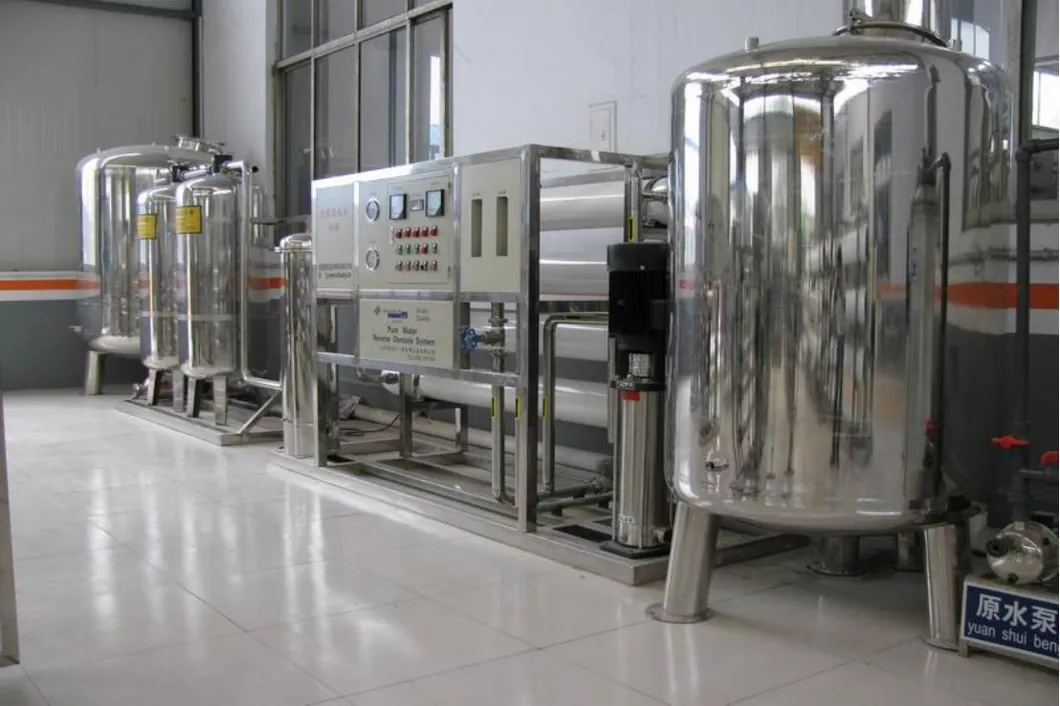
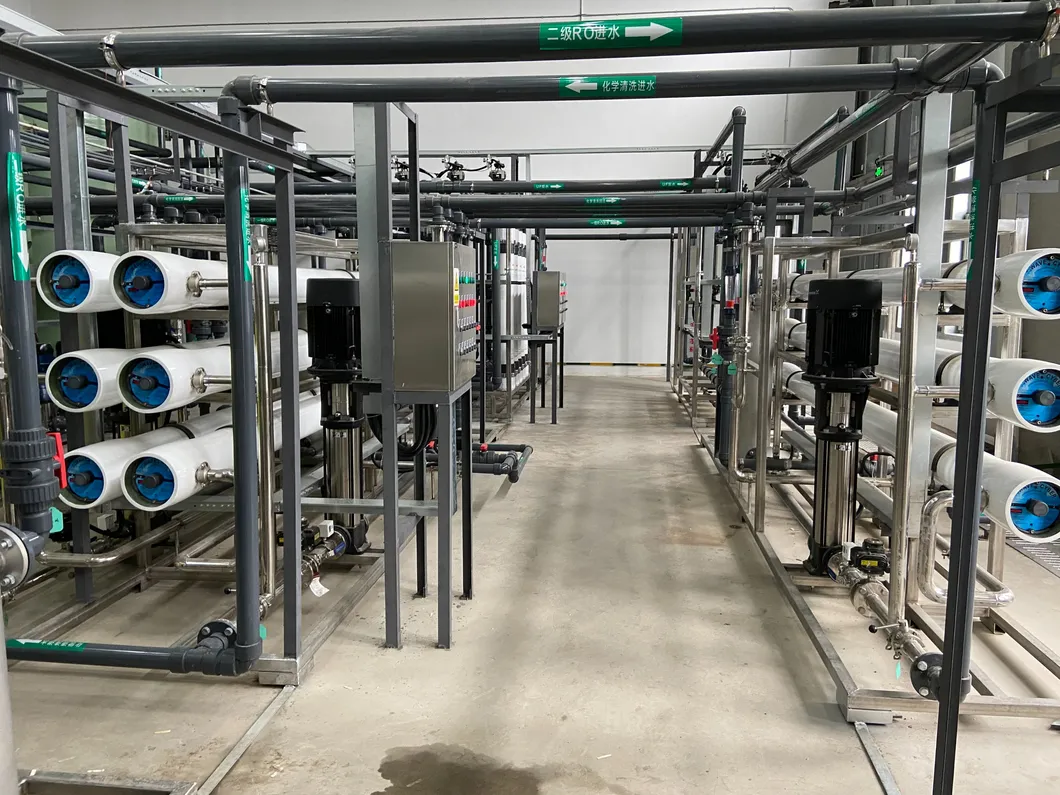
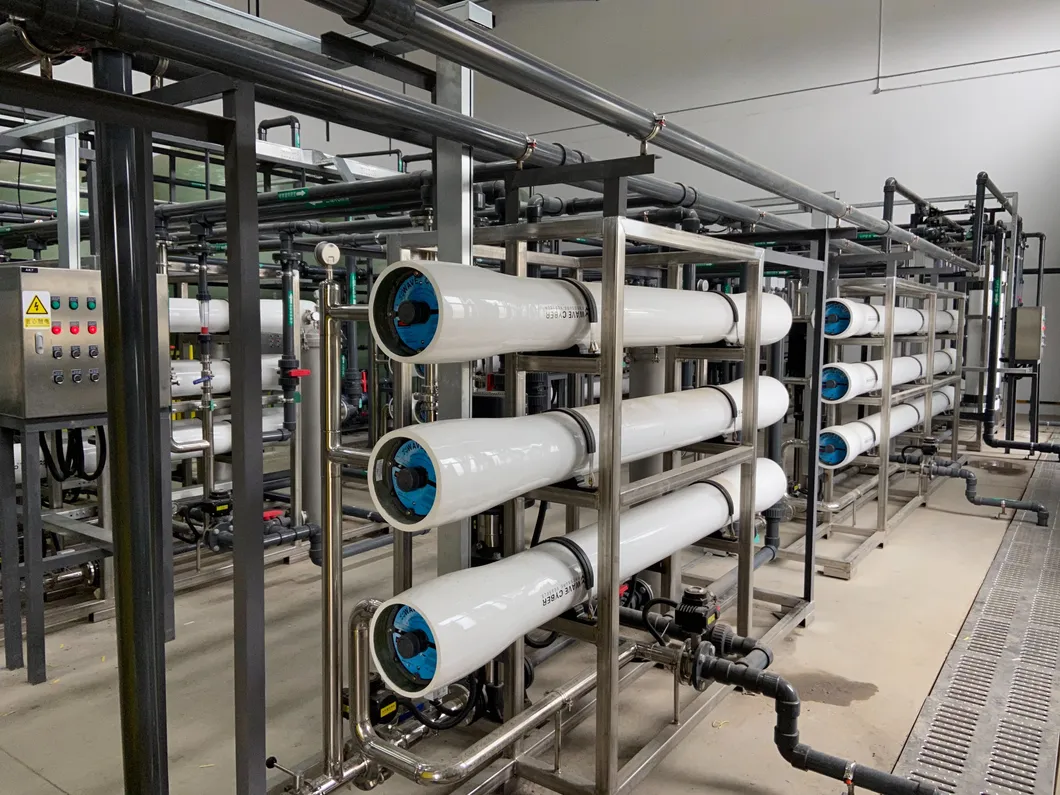
Reverse osmosis is the most advanced and energy efficient separation technology available today. The principle is to separate the solute from the solvent under pressure higher than the osmotic pressure of the solution by means of selective interception of a semi-permeable membrane that allows only water to pass through but not other substances.
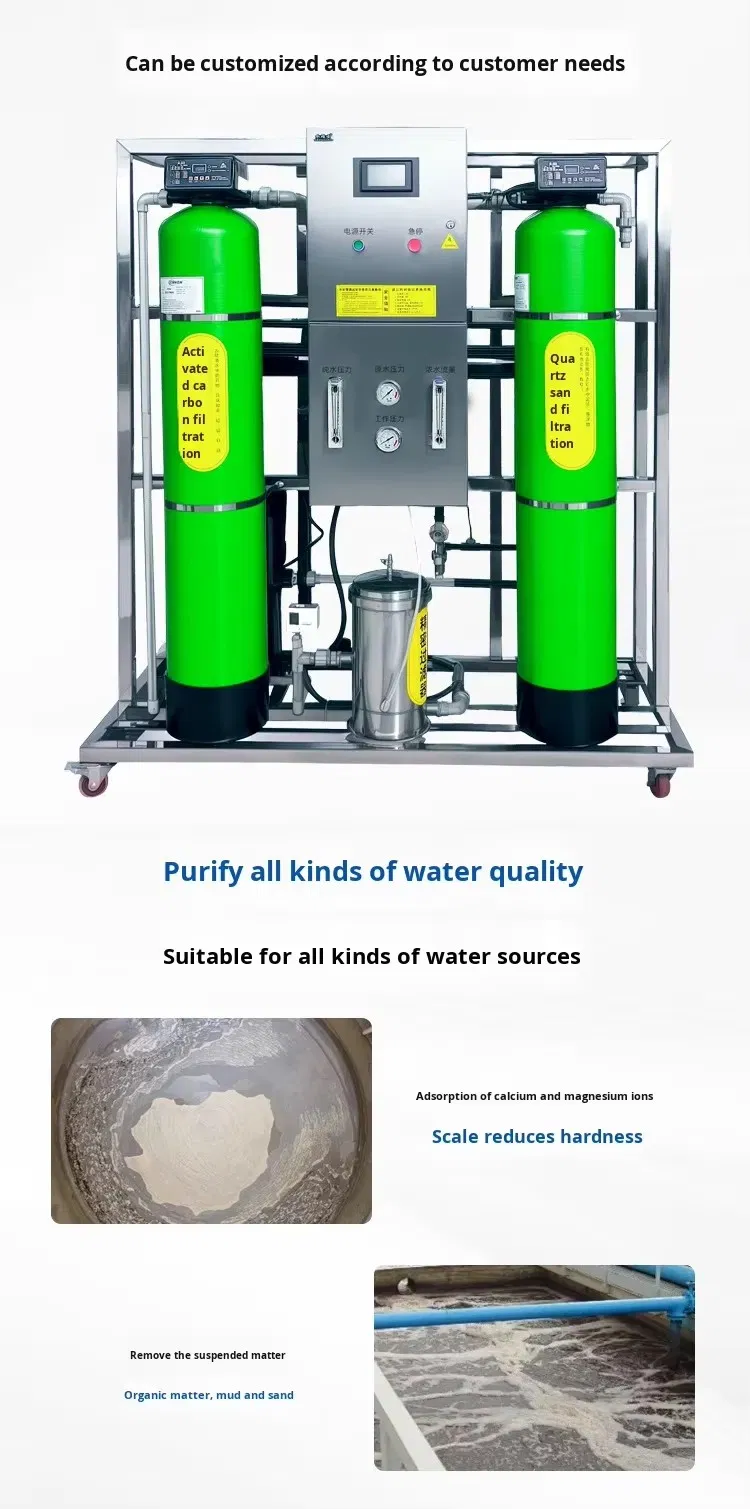
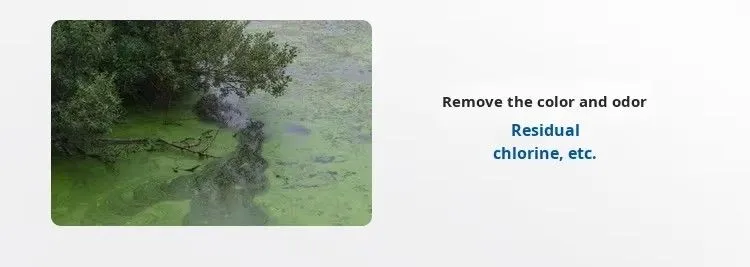
The separation characteristics of reverse osmosis membrane can effectively remove dissolved salts, colloids, organic matter, bacteria, microorganisms and other impurities in water. It has low energy consumption and no pollution. Advanced technology, easy operation and maintenance.
| Application Field | Specific Usage |
|---|---|
| Electronic industrial water | Integrated circuit, silicon wafer, display tube, electronic components washing |
| Pharmaceutical industry | Injection, tablet, biochemical products, equipment cleaning |
| Chemical industry | Chemical circulating water, fertilizer manufacturing, chemical products |
| Power industry | Thermal power generation boiler, low and medium pressure boiler systems |
| Food industry | Drinking pure water, beverages, beer, white wine, health care products |
| Desalination | Islands, ships, offshore drilling platforms, brackish water areas |
| Model | Water Yield (T/H) | Recovery (%) | Desalinization (%) | Pressure (MPa) | Power (kw) | Size (mm) | Weight (kg) |
|---|---|---|---|---|---|---|---|
| HSRO-10 | 10 | 75 | 95-99 | 1.5-2.0 | 11 | 6550×1060×1780 | 1250 |
| HSRO-20 | 20 | 75 | 95-99 | 1.5-2.0 | 22 | 6550×1060×2080 | 1400 |
| HSRO-40 | 40 | 75 | 95-99 | 1.5-2.0 | 45 | 6550×1060×2380 | 2600 |
| HSRO-60 | 60 | 75 | 95-99 | 1.5-2.0 | 75 | 6550×1540×2380 | 3500 |
| HSRO-100 | 100 | 75 | 95-99 | 1.5-2.0 | 132 | 6550×2120×2380 | 4600 |
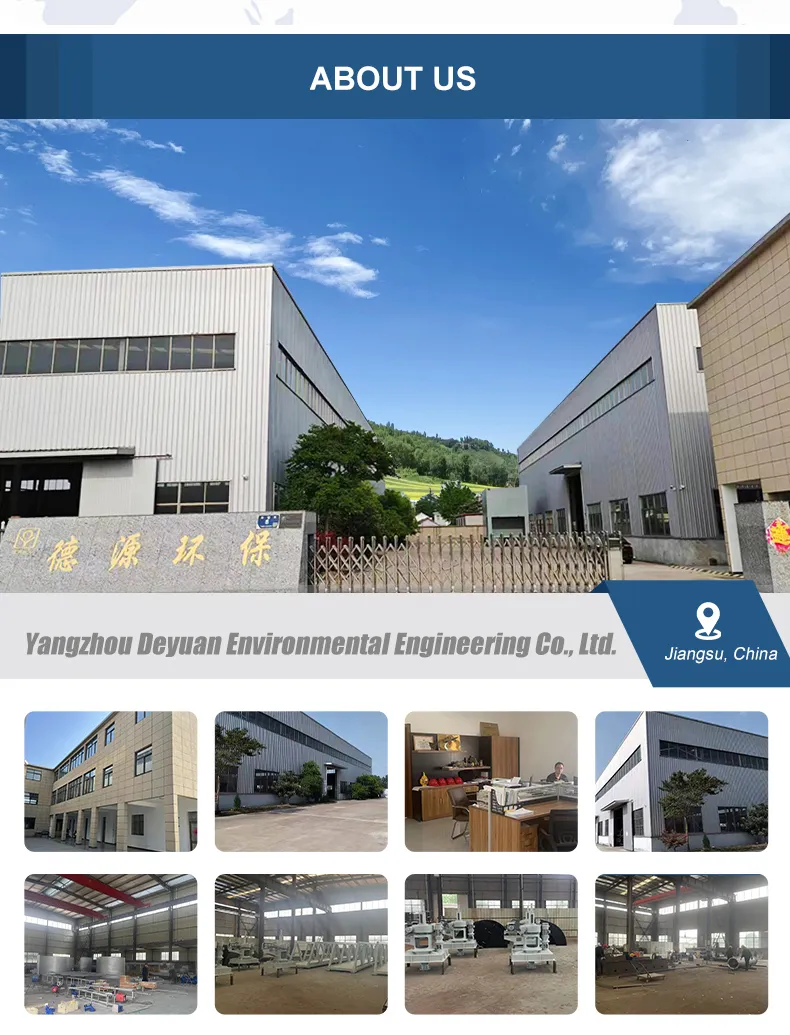
We are a comprehensive enterprise specializing in the manufacturing, construction, and installation services of environmental protection equipment. Our facility covers an area of 15,000 square meters, with modern factory buildings covering 12,000 square meters.
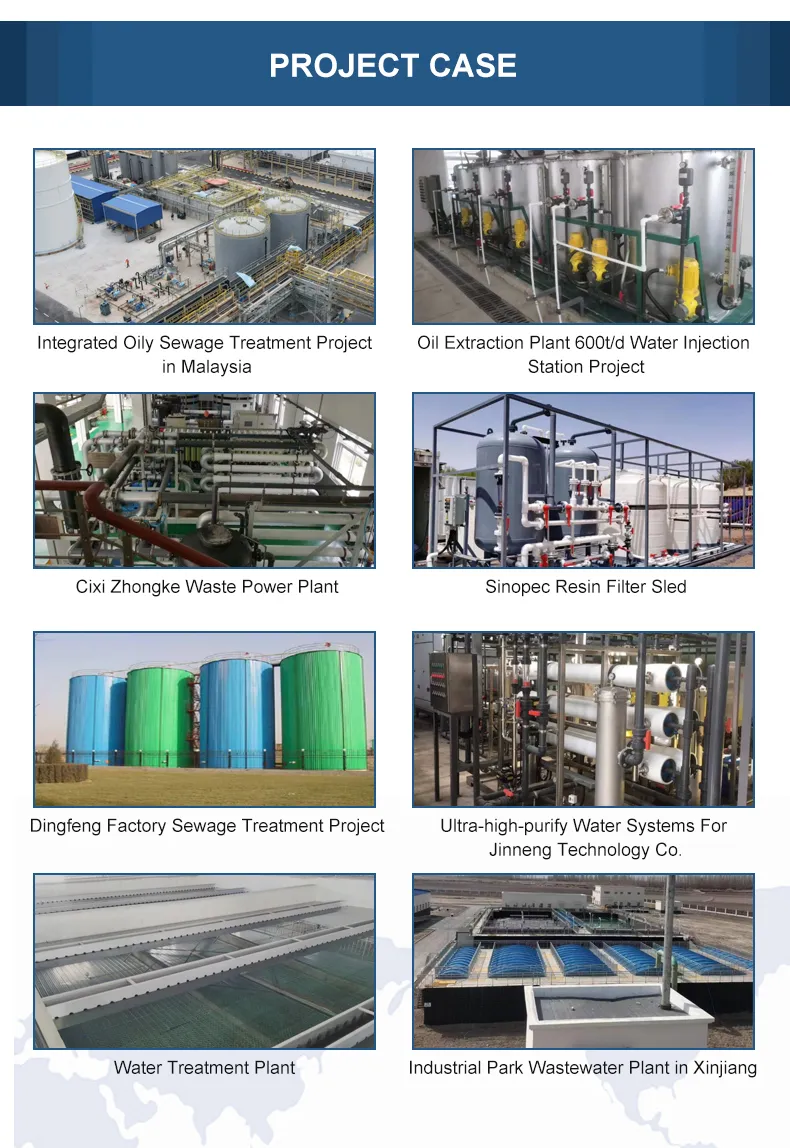
Main product lines include waste gas treatment equipment, sewage treatment equipment, water supply systems, and pure/ultra-pure water manufacturing equipment. We hold ISO 9001, ISO 14001, and ISO 45001 system certifications and multiple invention patents.