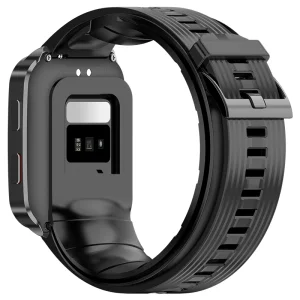
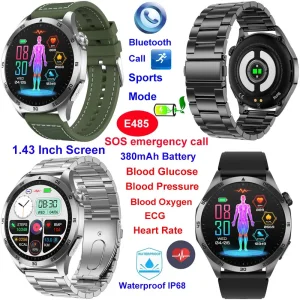
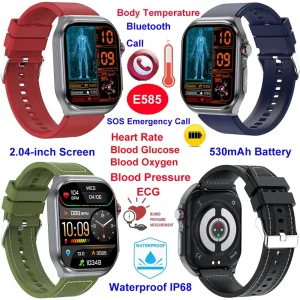
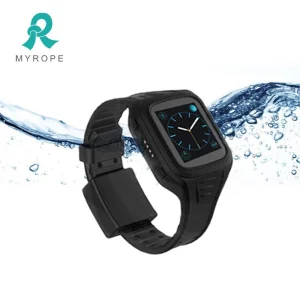
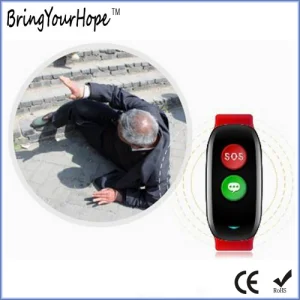
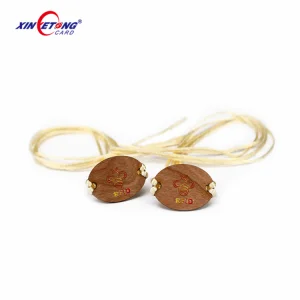
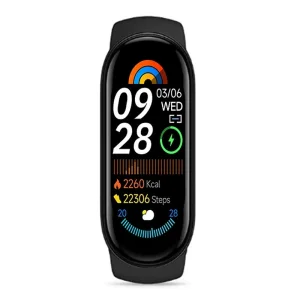
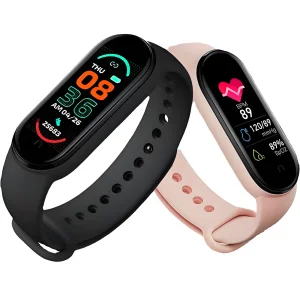
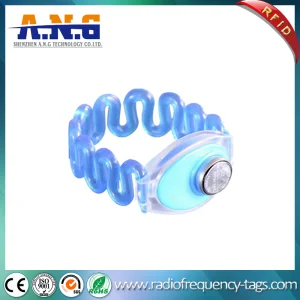
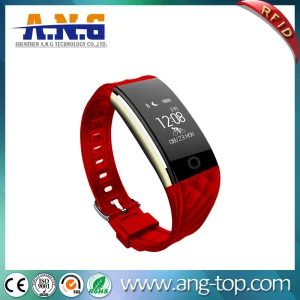
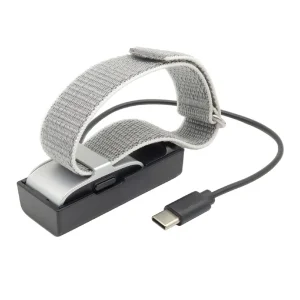
Our leading telematics models equipped with robust transceivers optimized for Kinshasa, Lubumbashi, and regional cellular backbones.
The Democratic Republic of the Congo (DR Congo) is experiencing a rapid digital transformation, driven by expansion in cellular infrastructure across major hubs like Kinshasa, Lubumbashi, Kolwezi, and Goma. However, telecommunications in the region face unique challenges, including intermittent grid connectivity, fluctuating network signal strength across 2G, 3G, and 4G bands, and high humidity levels.
For safety and medical wearables to operate effectively in the DRC, they must be engineered for extreme battery life, high durability, and diverse network compatibility. Shenzhen TC Health Co., Ltd. customizes its smart bracelets specifically for these conditions, offering devices equipped with low-power consumption transceivers, offline data-caching mechanisms, and dual-mode cellular fallback.
Whether deployed by private mining operators in the Lualaba province for employee family welfare, clinical networks in Kinshasa, or international humanitarian organizations managing wellness protocols, our devices deliver continuous, vital health telemetry under the most demanding environmental constraints.
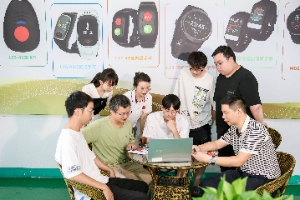
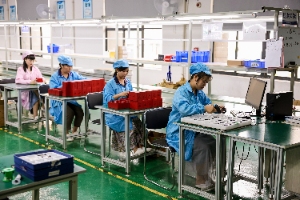
Founded in 2015, Shenzhen TC Health Co., Ltd. has established itself as a premier OEM/ODM manufacturer specializing in medical-grade smart wearable devices. With over a decade of research, development, and stringent production management, we operate at the intersection of consumer health and industrial safety.
Our manufacturing facility located in Shenzhen, Guangdong, China features state-of-the-art SMT lines, ultrasonic welding equipment, and advanced precision testing chambers. As an ISO9001-certified enterprise, we ensure every batch exported to the DR Congo and greater Central Africa meets global compliance frameworks.
By controlling the design process from PCB layout up to proprietary firmware calibration, we are able to provide high-precision vital sign tracking (ECG, photoplethysmogram (PPG) sensors, true airbag blood pressure monitoring) that can be integrated into custom telemetry software suites.
Real-time continuous measurement of SpO2, heart rate variability (HRV), skin temperature, and arterial blood pressure. Designed for regional hospitals in Katanga and Kinshasa seeking to run remote patient diagnostics programs.
Integrates GPS, GLONASS, and LBS base-station tracking to ensure localization continuity across rural regions where dense satellite sightlines are obstructed or cellular signals are degraded.
Proprietary microchip firmware designed to dynamic-sleep when stationary, reducing daily battery draw and keeping communication channels open up to 7–14 days on a single charge.
Establishing a steady supply path to Central African regions requires robust raw material sourcing, rigid components staging, and direct logistics networks. Our strong, decade-long partnerships with semiconductor suppliers, battery housing foundries, and premium polymer manufacturers yield consistent pricing and timely deliveries.
We offer customized firmware, housing designs, and application programming interfaces (APIs) for B2B procurement partners in the DRC. This includes adapting the watch language options to French, Lingala, or Swahili, and tailoring the safety alerts to send raw SMS structures directly to local emergency contacts when internet servers are unreachable.
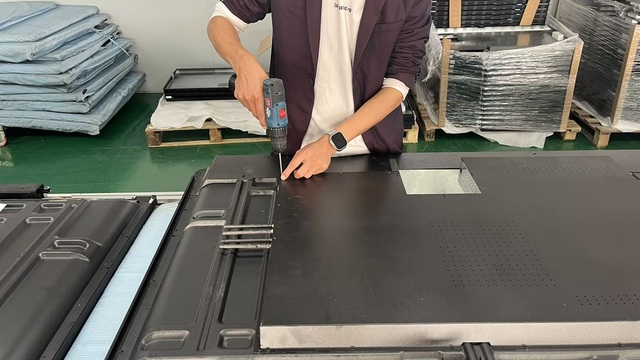
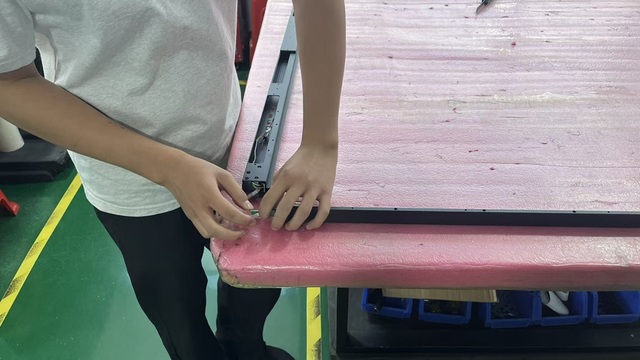
Deploying wireless communication hardware in the Democratic Republic of the Congo requires compliance with regional spectrum frameworks governed by the Autorité de Régulation de la Poste et des Télécommunications du Congo (ARPTC). Our export team ensures that all devices configured for the DRC are certified to run on approved regional spectrums, specifically:
Furthermore, our smart wristbands feature high-grade medical silicones and eco-friendly wood or biopolymer elements that resist skin irritation under humid tropical conditions. Each device undergoes extensive thermal stability testing to guarantee battery and sensor reliability in high heat environments.
Explore our broader selection of smart wristbands, access keys, and long-range trackers built for institutional and public health applications.
 TC Health