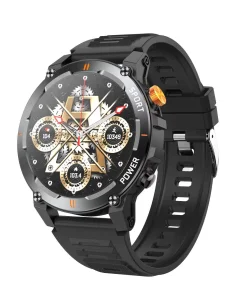
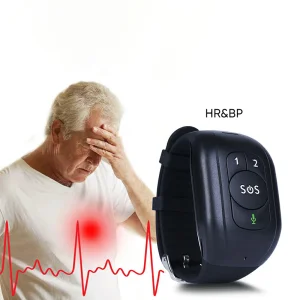
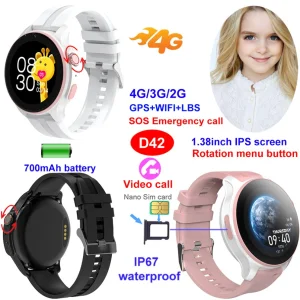
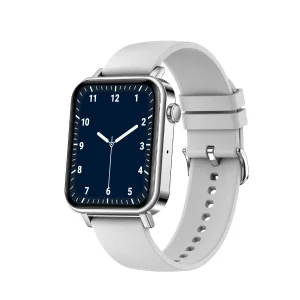
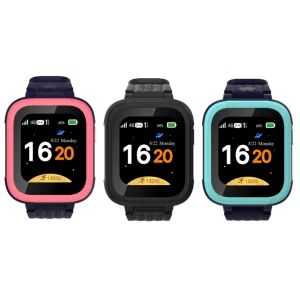
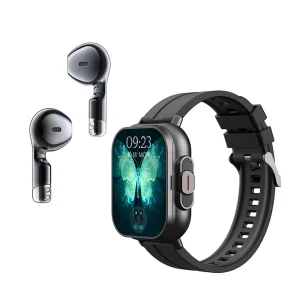
Explore our premium segment of multi-functional medical tracking wearables and industrial IoT gateways

Shenzhen TC Health Co., Ltd. - Empowering Global Health & Security via OEM/ODM Wearable Innovation
Founded in 2015, Shenzhen TC Health Co., Ltd. has become a leading manufacturer specializing in smart wearable devices. With over a decade of expertise in research and development, production, and management, we focus on delivering innovative solutions in senior health management, disease monitoring, and personal safety. Our technological ecosystem addresses the growing market demand for real-time, continuous biometrics tracking—principally blood sugar monitoring simulations, photoplethysmography (PPG), ECG, and GPS localization engines.
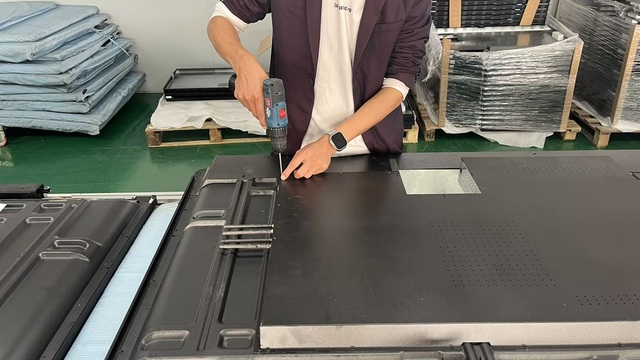
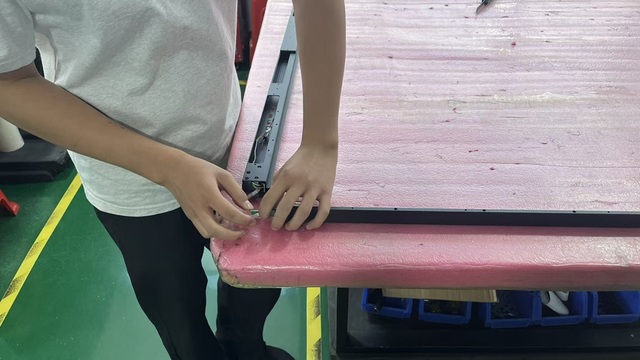
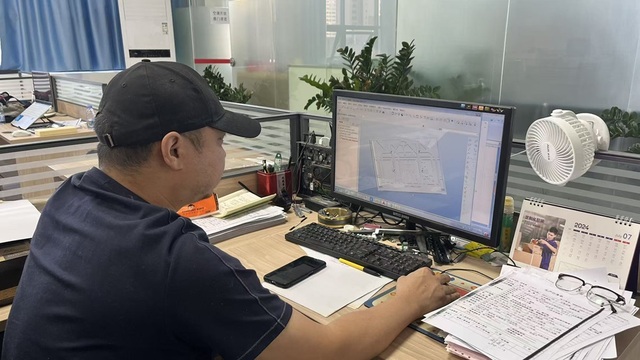
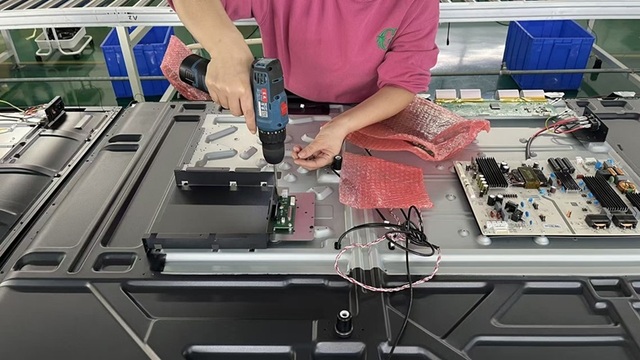
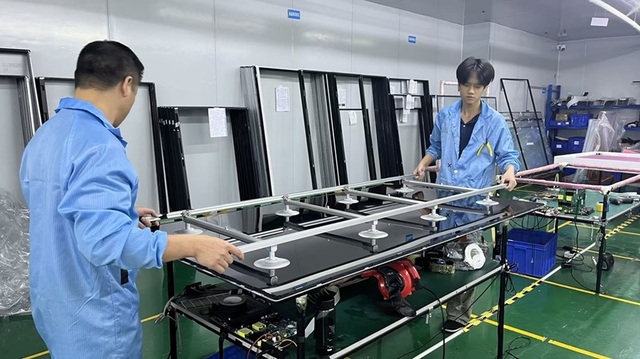
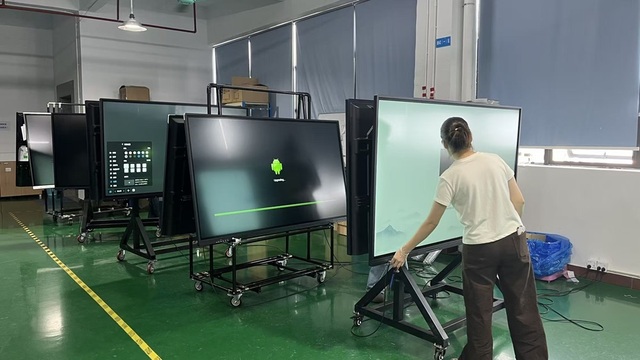
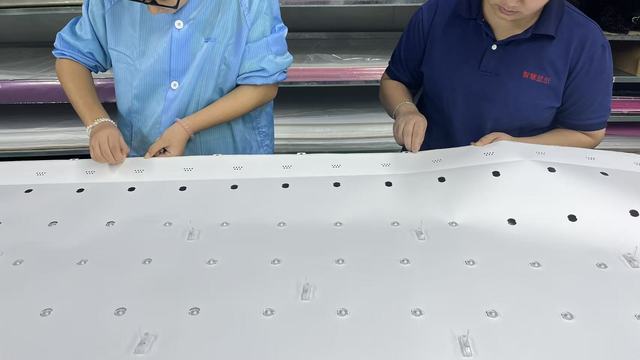
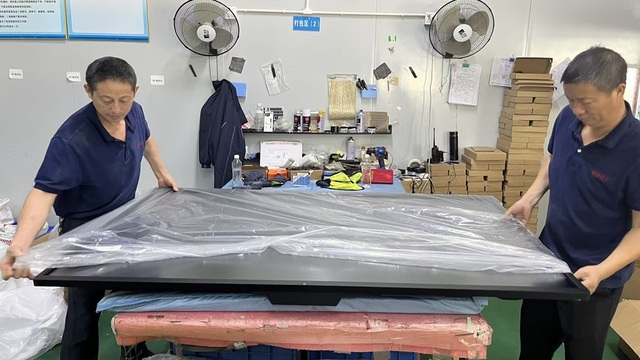
Our state-of-the-art production facility located in Shenzhen, Guangdong, China is equipped with advanced production lines and precision calibration equipment, ensuring high-quality manufacturing standards. As an ISO9001-certified company, we maintain stringent quality control throughout the production process. Every smart medical tracker undergoes multi-stage parameter adjustments to ensure optimal skin-contact safety and precision data capture.
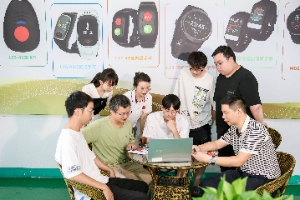
Our dedication to global healthcare security is reflected in our robust manufacturing environment. Through the strategic integration of semiconductor supply chains in the Greater Bay Area, we minimize lead times while optimizing production costs. This strategic advantage enables us to maintain a stable cost structure, ensuring that B2B partners receive competitive unit prices without compromising on the electronic components' lifespan or accuracy.
Our Quality Policy: Standardized operations under ISO 9001:2015 frameworks ensure zero-tolerance defects from raw PCBA arrival to final waterproof testing.
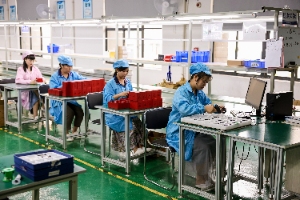
We produce over 100,000 units per month, enabling us to meet the bulk volume demands of global medical distributors and health brand operators.
Our strong partnerships with upstream material and sensor chip suppliers ensure cost efficiency, prioritized IC allocations, and timely delivery schedules.
We offer extensive OEM/ODM services, providing customized firmware, hardware casing designs, localized SDK integration, and private labeling.
We combine cutting-edge multi-wavelength optical PPG design with expert industrial craftsmanship to deliver world-class wearable health products.
Key Procurement Vectors for Corporate Wellness, Telemedicine Operators, and InsurTech Distributors
In the modern digital health topography, procurement of wearable blood sugar monitors is no longer confined to consumer electronic retailers. Major B2B buyers include private healthcare insurers aiming to lower premium payout ratios, telehealth clinical systems deploying Remote Patient Monitoring (RPM), and government municipal health authorities managing type-2 diabetes prevention initiatives. These organizations demand robust enterprise-grade specifications that guarantee long-term system ROI, clinical utility, and patient data integrity.
Clinical accuracy is the primary benchmark for institutional buyers. Standard non-invasive and micro-invasive Continuous Glucose Monitoring (CGM) systems are evaluated based on their MARD metric. B2B procurement agents seeking medical-grade validation demand a MARD value of < 9.5% when compared to reference venous blood glucose measurements. Our optical and electrochemical sensor calibration protocols are engineered specifically to align with these performance thresholds, facilitating reliable trend tracking for end users.
Enterprise platforms require direct access to raw telemetry. Standard fitness tracking apps do not meet the needs of integrated healthcare networks. To address this, TC Health provides full access to Bluetooth Low Energy (BLE) protocol maps and custom-compiled software development kits (SDKs) for iOS and Android. This allows seamless data routing directly into electronic health records (EHR) platforms and customized remote clinical dashboards.
| Buyer Segment | Primary Technical Requirement | Data Interface Goal | Compliance Need |
|---|---|---|---|
| Telemedicine Platforms | Low MARD, Continuous 24h Sync | RESTful Webhooks / FHIR API | HIPAA, GDPR |
| Corporate Wellness Programs | Extended Battery Life (>7 Days) | White-label Mobile App | SOC2 Data Security |
| Insurance Underwriters | Biometric Identity Verification | Encrypted Cloud Sync | Local Medical Certifications |
| Clinical R&D Centers | Raw PPG & Electrochemical Sensor Access | CSV Raw Export / Python SDK | IRB Protocol Standards |
Integrating Wearable Non-Invasive Diagnostics into National Preventive Care Frameworks
Managing chronic metabolic disorders on a national scale requires moving away from reactive therapy and embracing continuous preventive monitoring. As a tier-1 manufacturer, TC Health supports macro-level health initiatives by offering integrated hardware-to-cloud architectures. By utilizing advanced wearable biosensors, public health systems can dramatically reduce hospital readmission rates, prevent acute hypoglycemic episodes, and implement targeted dietary or pharmacological interventions before clinical complications arise.
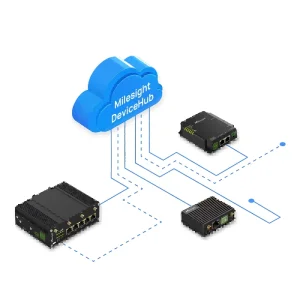
Architectural Paradigm: Wearable Node (BLE) → Secured IoT Gateway/Mobile Gateway (LTE/5G) → Cloud Analytics Core (ML-driven Glycemic Indexing) → Clinician Care Terminal.
Our systems are designed for high-density deployments. For instance, our wearable bracelets and tracker watches utilize cellular connectivity (4G LTE-M / NB-IoT) to upload vitals without needing a companion smartphone. This feature is particularly valuable for senior care facilities and lower-income demographics where smartphone usage may be limited. By keeping connectivity native to the device, we ensure constant compliance with remote therapeutic monitoring parameters.
From Optical Spectrometry to Multi-Analyte Electrochemical Micro-Needle Arrays (2026-2030)
The development path of wearable blood sugar monitoring is moving rapidly through three main phases. TC Health is actively developing solutions within this technological timeline to ensure our B2B clients have access to future-proof hardware platforms.
Using green, red, and infrared LED light sources alongside high-sensitivity photodiodes, our devices capture continuous Photoplethysmography (PPG) signals. These signals are analyzed by onboard DSP chips using algorithm models trained on large clinical datasets. By factoring in vascular resistance, skin temperature, and pulse wave velocity, our devices generate simulated trends for blood glucose, blood oxygen, and blood pressure.
Moving toward true non-invasive sensing, our upcoming product generation integrates Near-Infrared (NIR) laser diodes. By analyzing the absorption spectrum of interstitial fluid in the dermis layer at specific wavelengths (typically between 800nm and 1300nm), the sensor detects glucose-specific vibration modes. This eliminates the need for skin pricks, enabling continuous monitoring without pain or consumable sensor patches.
For clinical-grade management of type-1 diabetes, TC Health’s long-term research focuses on biocompatible micro-needle arrays. These arrays monitor glucose, lactate, and ketone levels in interstitial fluid. Designed to be worn for 14 days, the low-cost sensor patch communicates with a reusable transmitter, providing high-precision data with minimal discomfort.
Ensuring Regulatory Compliance, Data Encryption, and Localized Cloud Support across Key Markets
Navigating international regulatory frameworks is critical when deploying medical and semi-medical wearables globally. At TC Health, we proactively address compliance needs to help our partners accelerate their time-to-market.
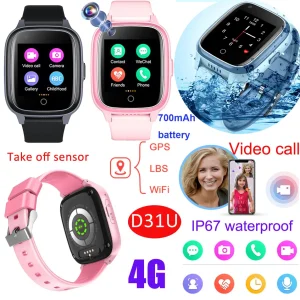
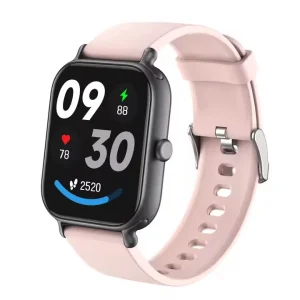
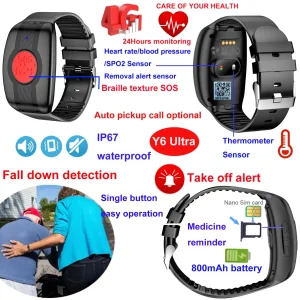
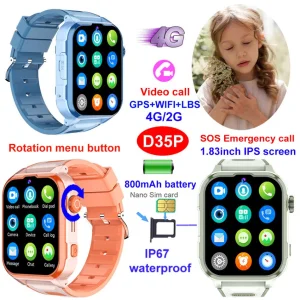
Advanced Health Trackers featuring fall detection, body temperature tracking, and customizable GPS alert systems
Expert Answers Regarding Biosensor Performance, OEM Capabilities, and Integration Frameworks
 TC Health