Engineered for reliable diagnostic data collection, real-time tracking, and durable field operation.

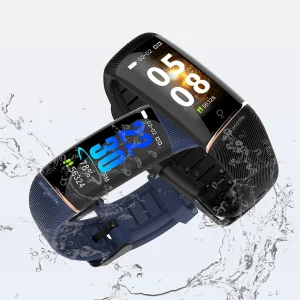
In the current era of decentralized healthcare, Remote Patient Monitoring (RPM) has transitioned from an optional service to a foundational clinical methodology. Global healthcare systems, insurance conglomerates, and sovereign penal institutions rely on continuous diagnostic data streams. Because vital diagnostic decisions and personal safety protocols are based on this information, the physical devices utilized must perform with absolute accuracy, absolute reliability, and verified regulatory compliance.
For custom medical IoT hardware, a manufacturer's compliance with safety frameworks like the European Union Medical Device Regulation (MDR EU 2017/745) or the United States FCC and FDA Class II requirements is critical. Every hardware component, firmware pathway, and data transaction layer must adhere to strict quality management standards. This ensures that the generated biometric data meets the standards required for clinical analysis, insurance claims, and emergency responses.
Our engineering processes prioritize raw signal quality. By utilizing high-density optical photodetectors and custom-calibrated multi-wavelength Photoplethysmography (PPG) algorithms, our sensors accurately differentiate between motion noise and actual biometric shifts. This significantly minimizes false alarms for fall detection and heart rate monitoring.
Underpinned by ISO 9001 certified manufacturing, specialized R&D processes, and complete vertical integration.
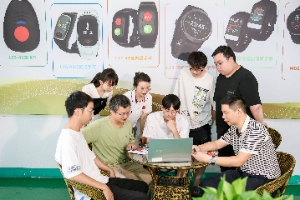
Founded in 2015, Shenzhen TC Health Co., Ltd. has established itself as a premier developer and manufacturer of professional smart wearable electronics, personal security trackable terminals, and custom telemetry solutions. With over a decade of domain expertise in research and development, physical assembly, firmware engineering, and regulatory testing, we design specialized hardware systems for elderly care, occupational health, justice systems, and child tracking initiatives globally.
Our production headquarters in Shenzhen, Guangdong, China features modern SMT assembly setups, specialized cleanrooms, advanced RF calibration chambers, and comprehensive environmental simulation facilities. Operating as an ISO9001-certified organization, we enforce comprehensive quality checkpoints from raw component screening through structural validation testing to final system diagnostics.
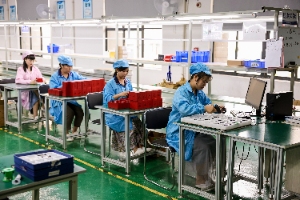
Why sourcing from Shenzhen is crucial for speed, cost efficiency, and technological superiority.
Our location in the heart of Shenzhen allows us to collaborate directly with premium chipset suppliers, optical module designers, and battery manufacturers. This eliminates logistics friction and guarantees immediate access to components like low-latency Bluetooth modules and durable lithium polymer batteries.
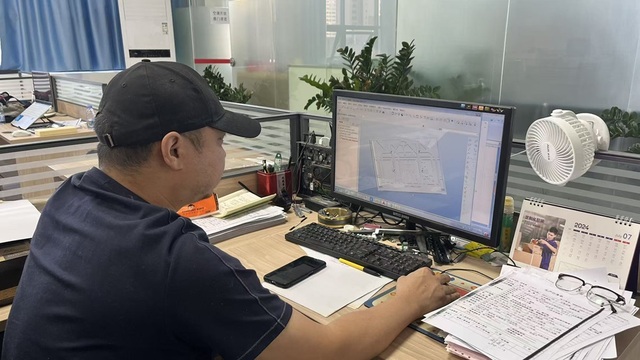
Shenzhen TC Health accelerates product development by leveraging local tooling and rapid prototyping networks. This allows us to transition custom industrial CAD projects into physical, functional engineering samples in a fraction of the standard lead time.
Through established partnerships with global logistics hubs, custom clearing networks, and certified testing agencies, we manage compliant international shipping workflows directly to distribution warehouses, hospitals, and clinical hubs worldwide.
Providing hardware to global regions demands adherence to localized legal and frequency-control frameworks. Telecommunication-enabled health devices operating on 4G LTE, 5G, or NB-IoT must satisfy regional RF emissions criteria. In the EU, this requires CE-RED (Radio Equipment Directive) certification, while the North American market requires strict FCC Part 15 approvals.
Additionally, protecting vital data is critical. When devices collect biometric metrics like blood pressure, SpO2, blood glucose, or real-time location data, compliance with data privacy regulations is essential:
Firmware localization is another core element. Shenzhen TC Health's development team provides customized localized UI designs, audio prompts for emergency alerts, and tailored GPS map integrations to ensure compatibility across diverse regions.
A detailed breakdown comparing clinical-grade connected health hardware with consumer electronics.
| Performance Parameter | Medical IoT/Connected Health Device (e.g. TC Health Series) | Consumer Smartwatch / Fitness Tracker |
|---|---|---|
| Regulatory Certification | CE MDR, CE-RED, FCC Class II, ISO 13485 Compliant | Standard CE (EMC/LVD), FCC Part 15 only |
| PPG Sensor Architecture | Multi-wavelength high-performance optical arrays with raw data extraction | Single-wavelength low-cost consumer sensor arrays |
| Location Tracking Tech | Multi-constellation GPS/GLONASS/Galileo + LBS + Wi-Fi Positioning | Standard GPS or passive smartphone-assisted location mapping |
| Biometric Monitoring Accuracy | Validated against clinical standards (ECG, SpO2, Blood Glucose) | Approximate readings, prone to movement-induced inaccuracies |
| Firmware & Software Integration | Open API/SDK availability for custom proprietary EMR platforms | Closed cloud ecosystems, restricted third-party data access |
| Security Specifications | AES-256 end-to-end encryption, HIPAA-compliant payloads | Basic TLS encryption, data monetization models |
How industry leaders deploy our connected health hardware to achieve operational scale.
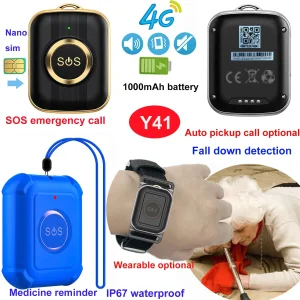
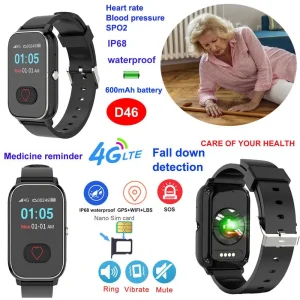
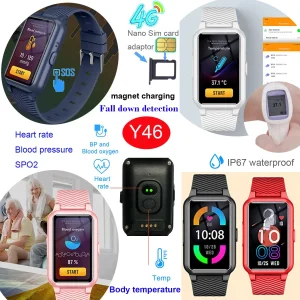
By deploying 4G GPS tracking smartwatches (like the D46 or Y46) with fall detection and SOS alerts, care providers reduce response times during emergency events. Geofencing ensures staff are notified immediately if a resident moves outside a designated safe zone.
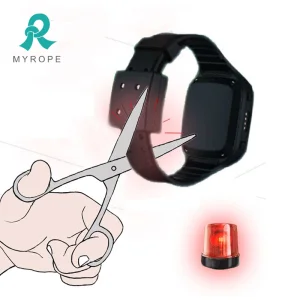
Municipal departments and corrections agencies deploy our tamper-proof, anti-cut GPS bracelets to track parolees and monitor home-confinement programs. Built with durable IP67/IP68 enclosures and real-time tracking, these devices reliably report tamper attempts.
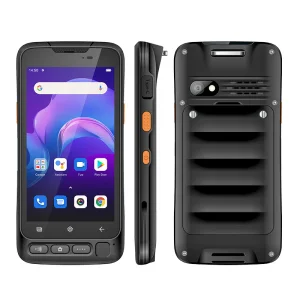
Resource extraction sites, chemical processing plants, and heavy manufacturing facilities utilize rugged handheld terminals (like the Uniwa V5s) and smart bracelets. This lets operators log environmental hazards, scan biometric entry keys, and monitor worker heart rate and fatigue metrics.
Anticipating hardware requirements for next-generation clinical and security ecosystems.
The global connected health market is evolving rapidly. From 2025 to 2030, key developments will shape the features of remote diagnostic and safety hardware:
Biometric smartwatches are moving away from relying purely on cloud-based processing for raw sensor analysis. Next-generation smart bracelets run optimized AI models locally on high-efficiency microcontrollers. This allows for immediate analysis of accelerometer profiles, enabling fast and accurate fall detection while reducing battery draw.
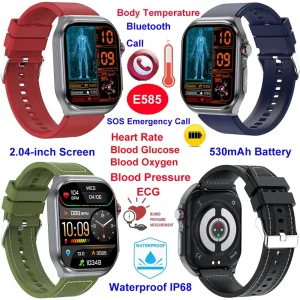
Continuous monitoring has expanded beyond basic pulse rate tracking. Modern IoT bands are integrating non-invasive glucose estimation, relative blood pressure monitoring, and micro-electrochemical sensors for real-time analysis. Sourcing these platforms requires partnering with factories that possess deep experience in sensor calibration and bio-impedance hardware design.
Connected health platforms are shifting from local Bluetooth connections to direct cellular tracking. By integrating eSIM chips and optimizing firmware for LTE-M and NB-IoT networks, modern wearable devices run continuously for weeks without needing a recharge. This provides reliable connectivity for remote seniors and individuals tracked in correctional systems.
Our engineering division continuously tests next-generation cellular chipsets and multi-sensor configurations. This guarantees that our custom manufacturing pipelines remain ready to deliver advanced, compliant products to the global market.
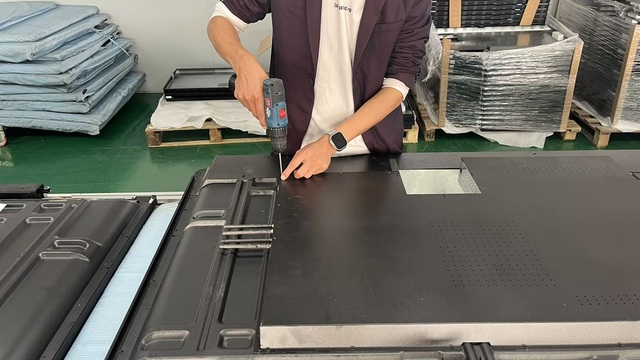
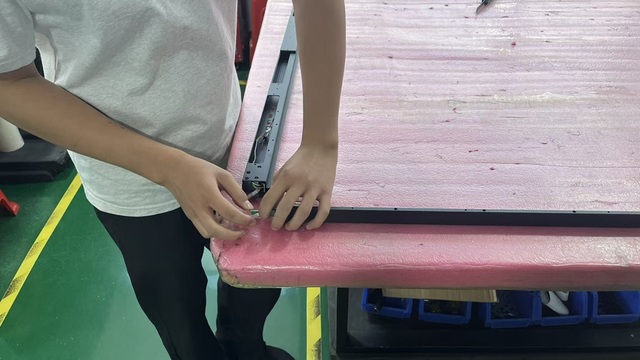
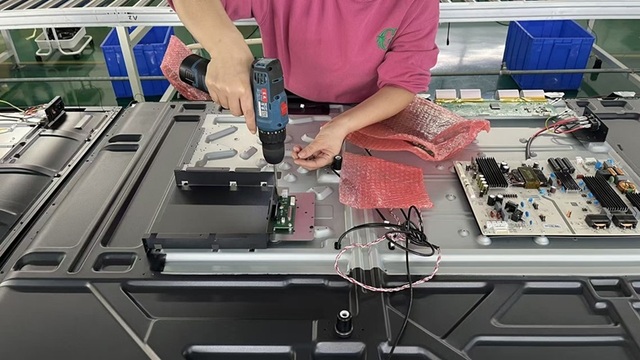
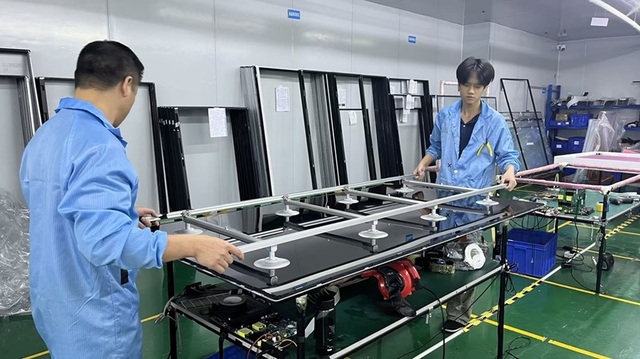
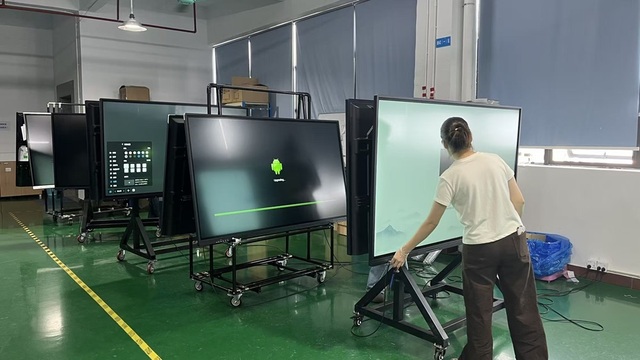
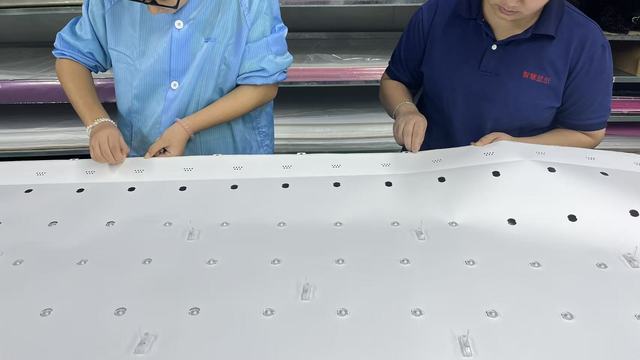
A look inside our Shenzhen production facility, detailing our assembly, testing, and quality control systems.
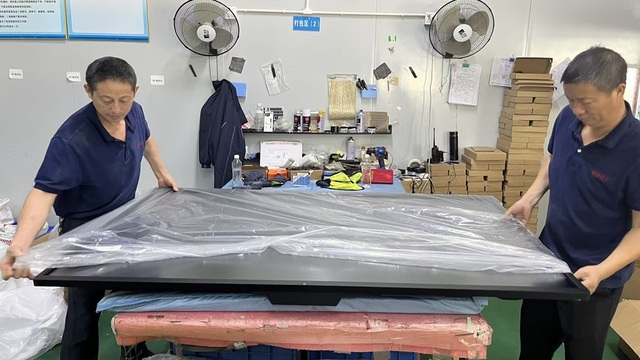
Direct answers from our senior engineering and regulatory teams to help clarify sourcing decisions.
We achieve clinical-grade tracking accuracy by using high-density optical sensors and custom PPG algorithms calibrated for diverse skin tones. Every new production run undergoes testing against clinical reference devices (such as ECG monitors and clinical oximeters) to verify diagnostic accuracy before release.
We support our clients through international certification processes. We provide full technical documentation—including bill-of-materials (BOM), circuit schematics, block diagrams, and internal testing reports—to help buyers obtain CE-RED, FCC, FDA, or local telecom certifications in their destination markets.
Yes. For custom orders, we provide open APIs and detailed software development kits (SDKs). This allows developers to integrate data from our wearables directly into proprietary Electronic Medical Record (EMR) systems, security dispatch interfaces, or general cloud monitoring software.
Our tamper-proof GPS tracking bracelets are constructed with integrated fiber-optic circuits inside the strap. If the strap is cut or the buckle is forced open, the device immediately transmits a tamper alert to the central monitoring console over LTE/5G networks.
For standard designs with custom branding (OEM), lead times typically range from 20 to 30 days. For custom electronic or casing configurations (ODM), development times vary depending on design complexity. This process includes initial CAD modeling, prototyping, SMT programming, and final safety and quality testing.
Reliable telemetry solutions engineered for senior care facilities, occupational safety, and specialized tracking initiatives.
 TC Health