Analyzing the Integration of Senior Wearables in South Korea's Second-Largest Metropolitan Center
As South Korea's primary maritime gateway and second-largest metropolitan city, Busan faces a distinct socio-demographic transition. Classified as a rapidly expanding "super-aged society," over 22% of Busan’s population is aged 65 or older. This demographic shift has catalyzed the local municipality and private sector to implement comprehensive smart city frameworks. Municipal policies in districts like Haeundae-gu, Geumjeong-gu, and Saha-gu increasingly leverage wearable Internet of Things (IoT) technologies to support independent living, prevent emergency response delays, and manage age-related chronic illnesses.
"The Busan Smart City Plan actively targets decentralized community-based telehealth. Incorporating continuous physiological monitoring and high-accuracy step tracking into daily senior care is a key strategy for reducing municipal healthcare burdens."
For Busan-based technology integrators, medical device distributors, and public welfare administrators, acquiring high-quality wearable devices is a core operational priority. Simple commercial fitness trackers often fail to meet the standards required for older adults. The market demands specialized senior smartwatches that feature high-precision 3-axis/6-axis accelerometer algorithms calibrated for slower gaits, multi-system global satellite positioning (GNSS), robust IP67/IP68 ingress protection, and real-time biometric telemetrics like SPO2, blood pressure, and heart rate monitoring.
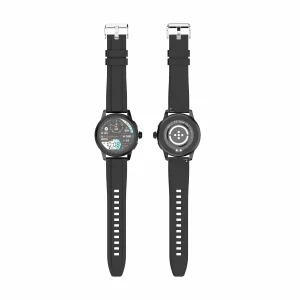
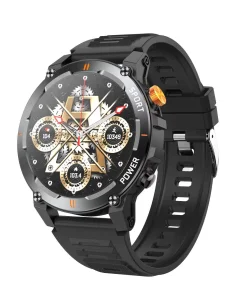
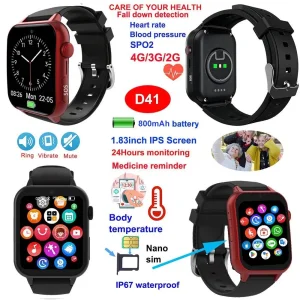
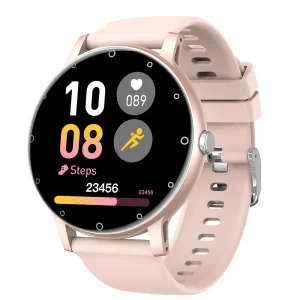
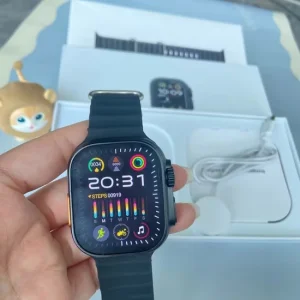
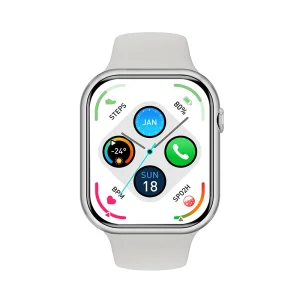
Featured cellular IoT wearable solutions offering fall-detection and real-time medical-telemetry tracking.
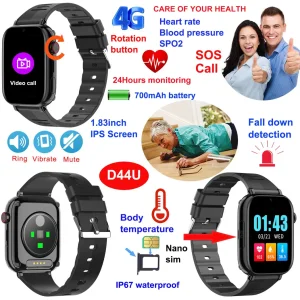
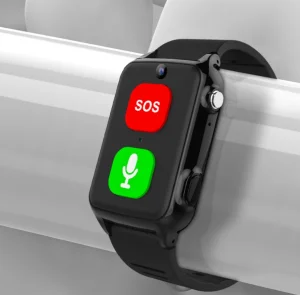
How precise step-tracking algorithms and cellular hardware design prevent critical emergency delays
Standard accelerometers calculate steps based on high-frequency movement. However, older populations, particularly those experiencing cognitive disabilities or physical frailty, exhibit distinct gait patterns. Slower movement, shorter stride length, and periods of hesitation can result in under-counting by standard consumer fitness trackers.
Our step tracking utilizes a refined 3-axis/6-axis MEMS accelerometer algorithm. The firmware applies bandpass filtering to screen out micro-tremors (such as Parkinsonian tremors) and arm movements while sitting. This ensures that step metrics correspond directly to actual physical displacement, providing accurate mobility and cardiovascular activity data for clinicians in Busan.
Ensuring reliable safety tracking requires a multi-positioning system. In urban areas of Busan—characterized by high-density residential blocks in Haeundae or mountainous terrains like Geumjeong-gu—GPS satellite signals can experience multipath interference.
To address this, our wearables integrate dual-positioning logic. In outdoor settings, the system defaults to GPS and GLONASS. If signals weaken, the system transitions to Wi-Fi hotspot triangulation and Local Base Station (LBS) cell ID tracking. This approach helps maintain continuous geofencing alerts, even when users are indoors or in dense urban corridors.
Equipped with Photoplethysmography (PPG) sensors utilizing green and red light wavelengths. This enables continuous measurement of heart rate, blood oxygen saturation (SPO2), and simulated blood pressure tracking directly from the wrist.
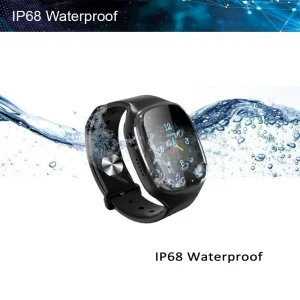
Engineered to withstand direct water exposure, shower cycles, and rain. This ensures the watch remains functional in bathrooms, where a high percentage of slip-and-fall incidents occur.
Configured for South Korea's main mobile carrier bands (SKT, KT, LGU+). Supports VoLTE voice calls, SMS, and high-speed data transmission for real-time SOS alerts and tracking services.
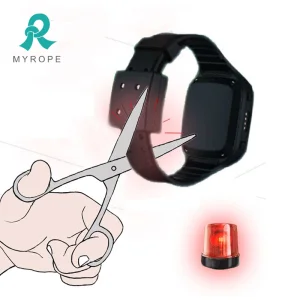
Extended IoT solutions addressing judicial tracking, public logistics support, and workplace safety.
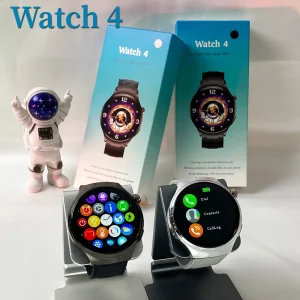
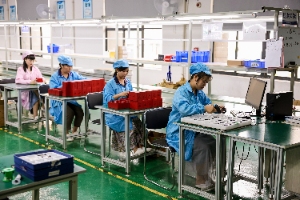
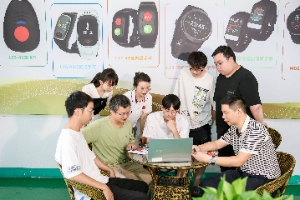
Leveraging high production capacity, strict quality control, and direct OEM/ODM customization services
Founded in 2015, Shenzhen TC Health Co., Ltd. has established itself as a developer and manufacturer of smart wearable devices. With over a decade of experience across research, development, production, and quality control, we specialize in solutions for senior health management, health monitoring, and personal safety.
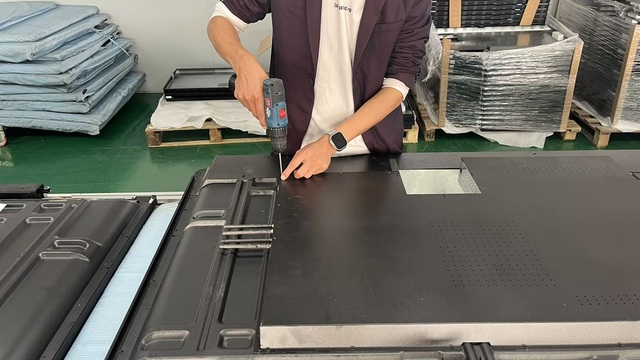
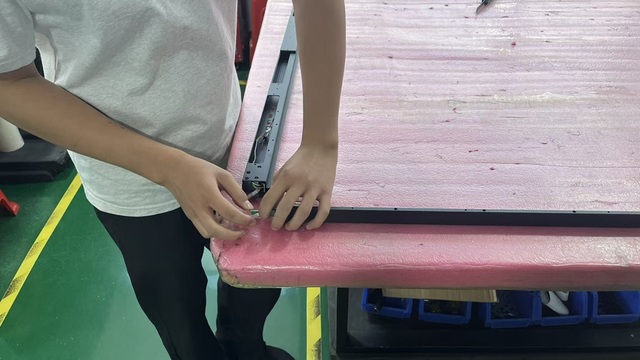
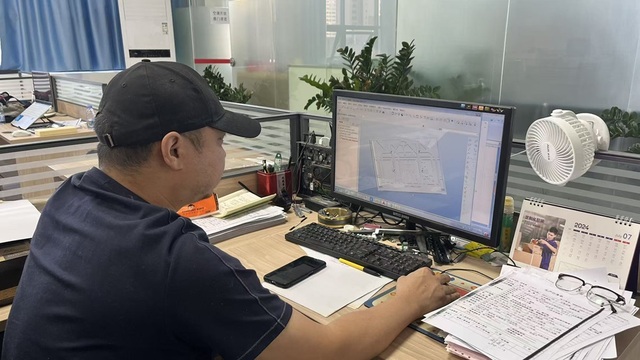
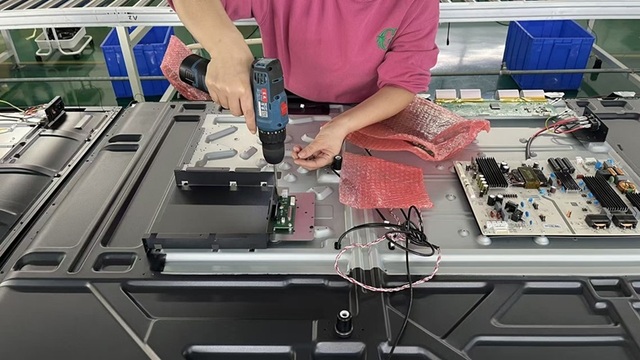
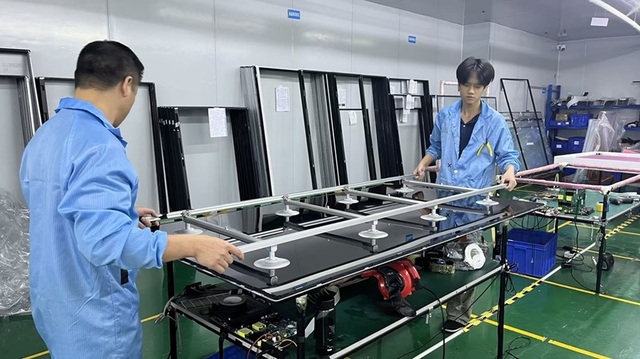
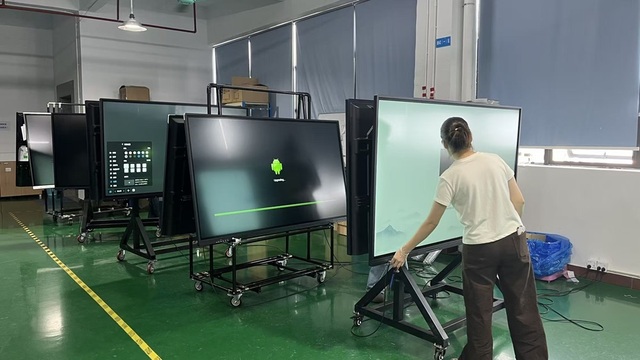
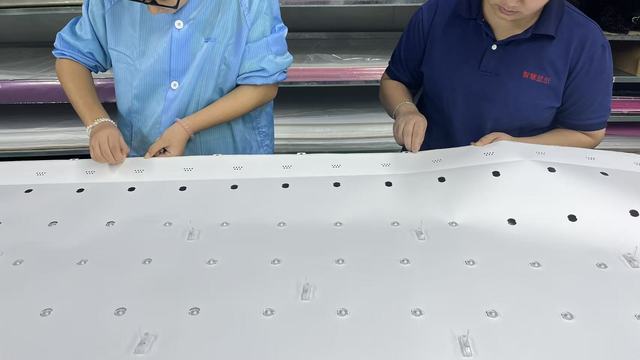
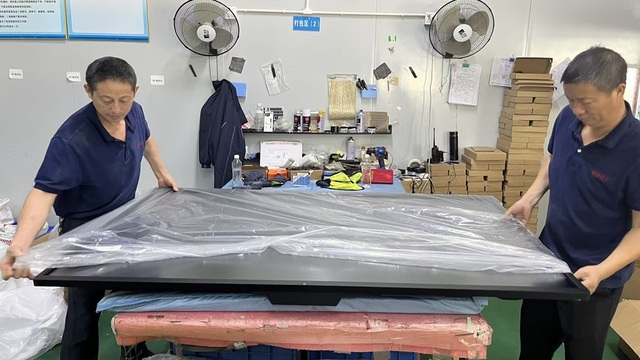
Our production facility in Shenzhen, Guangdong, China is equipped with modern assembly lines, SMT equipment, and specialized testing laboratories. As an ISO9001-certified manufacturer, we utilize rigorous testing procedures, including high-impact drop tests, battery lifecycle verification, thermal variance chambers, and pressurized water testing, to verify product quality before delivery.
Meeting telecommunications and safety standard requirements for South Korea
Deploying hardware in South Korea requires compliance with regional technical frameworks. For telecommunications devices, acquiring the KC (Korea Certification) Mark is standard. This process confirms that the device meets safety requirements and complies with electromagnetic compatibility (EMC) and radio frequency (RF) standards.
Our smartwatches are configured to support the specific RF bands utilized by major South Korean telecommunications providers, including SK Telecom, KT, and LG Uplus:
Additionally, our software integration supports customized protocol payloads. The watches use standard HTTP/HTTPS or secure MQTT protocols to transmit encrypted location packets, pedometer counts, and sensor alerts directly to municipal databases or third-party eldercare application platforms used in Busan.
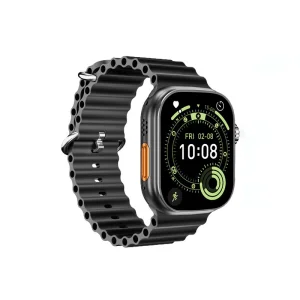
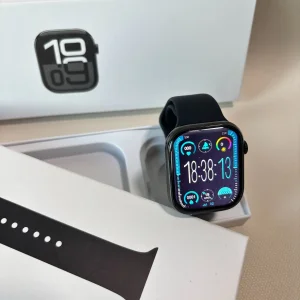
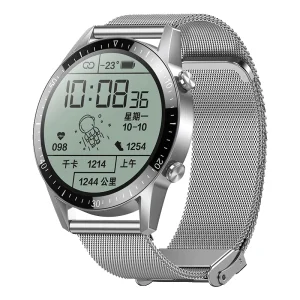
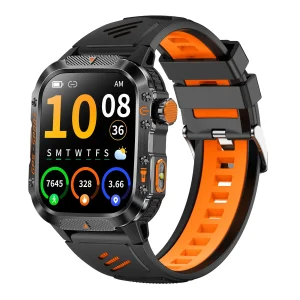
Explore our complete production line of health monitors, replica-design fitness trackers, and multi-sensor smartwatches.
Key information regarding importation, hardware customization, certifications, and operations for Busan-based partners
 TC Health