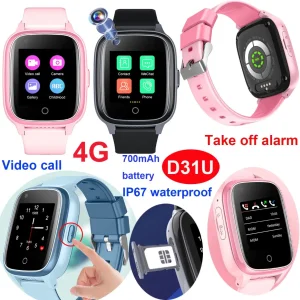
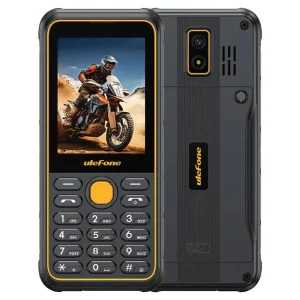
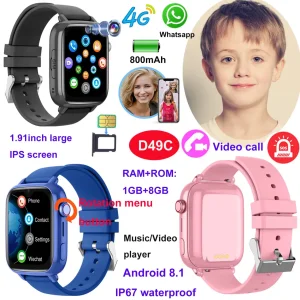
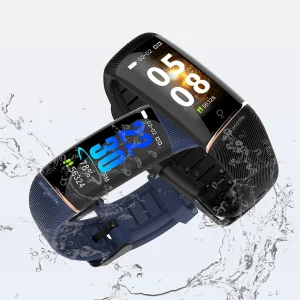
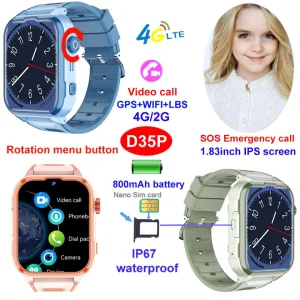
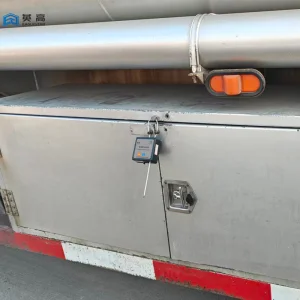
Explore our state-of-the-art telemetry wearables and location tracking devices designed for professional remote care, quarantine support, and personal health monitoring.
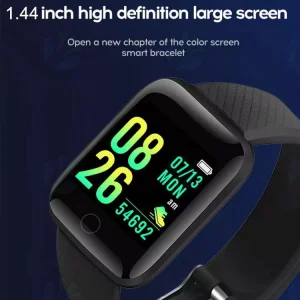

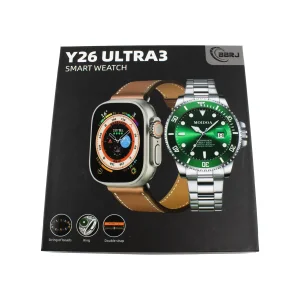
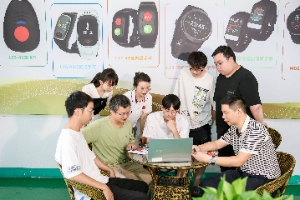
Founded in 2015, Shenzhen TC Health Co., Ltd. has risen to become a leading global OEM/ODM manufacturer specializing in smart wearable medical-grade devices, telehealth infrastructure, and personal safety systems. Headquartered in the hardware innovation center of Shenzhen, Guangdong, China, we operate at the intersection of medical engineering, biometric algorithms, and high-security cellular systems.
Backed by over a decade of deep R&D domain expertise, our engineering teams are focused on creating critical-care senior health trackers, specialized location beacons, fall detection algorithm engines, and disease progression tracking metrics. We bridge the gap between low-latency IoT hardware performance and the stringent accuracy expectations demanded by clinical systems, remote patient monitoring platforms (RPM), and government wellness frameworks.
A data-driven structural overview of the shifts defining the next generation of medical IoT wearables.
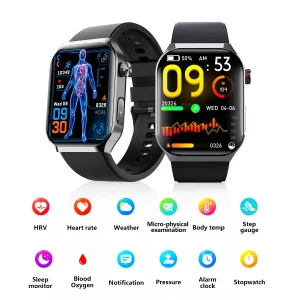
The health device ecosystem is transitioning from approximate recreational telemetry to clinical-grade diagnostic monitors. Integrated micro-spectrometers, photoplethysmography (PPG) arrays operating on true red-light wavelengths (660nm and 940nm), and precision NTC thermistors offer continuous, reliable measurement of arterial oxygenation (SpO2) and core body temperature.
Processing complex motion patterns for fall detection requires real-time intelligence directly on the device processor. Embedded 6-axis inertial measurement units (IMUs) combined with hardware-level Kalman filtering allow the device to distinguish genuine mechanical falls from everyday physiological activities, minimizing high-frequency false-alarm noise.
Ensuring constant emergency connectivity requires transitioning away from dependencies on secondary smartphone pairing. Devices integrating 4G LTE Cat-1, LTE-M (eMTC), and NB-IoT with integrated GNSS (GPS, GLONASS, BeiDou) ensure reliable, direct-to-cloud outdoor tracking and real-time remote configuration updates.
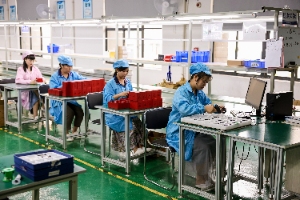
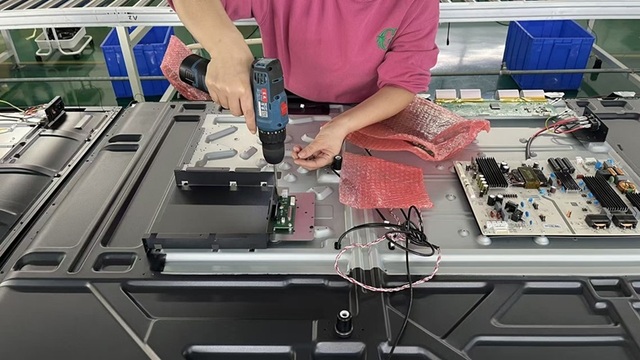
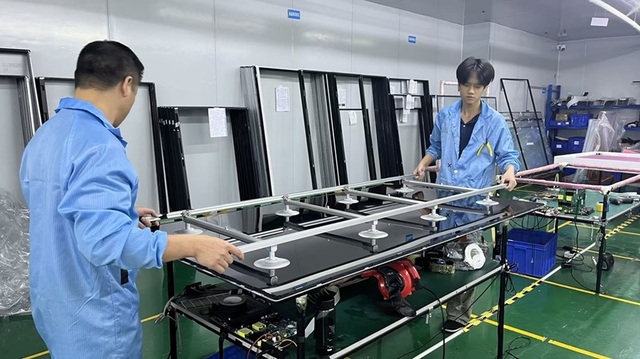
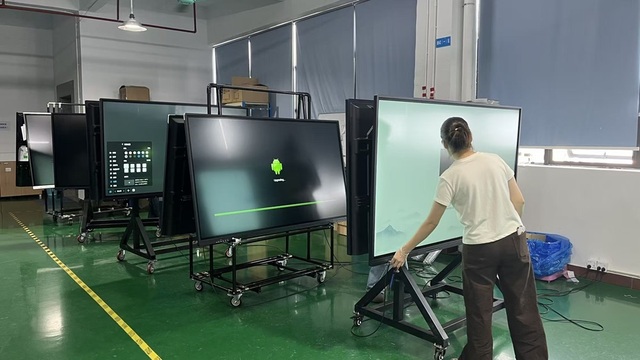
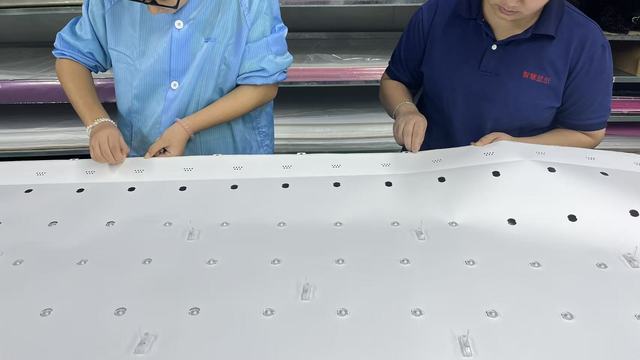
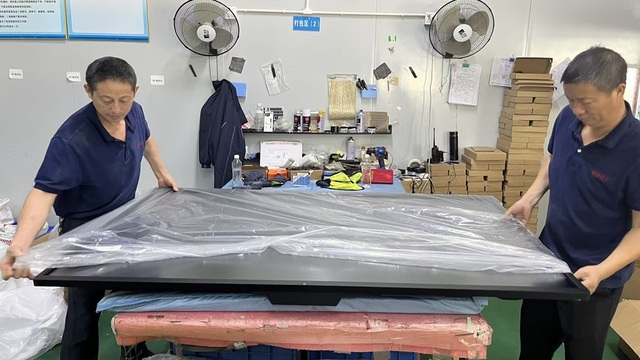
Our ISO9001-certified production facility located in Shenzhen, Guangdong, China serves as the physical backbone for global remote patient monitoring systems. Maintaining a raw throughput of over 100,000 wireless terminals per month, we operate state-of-the-art SMT placement lines, high-speed reflow ovens, functional automated optical inspection (AOI), and specialized radio frequency (RF) calibration instrumentation.
Every wireless health terminal undergoes rigorous physical testing, including multi-axis vibration profiles, high-pressure IP67 waterproof chamber testing, thermal cycling, and rigorous calibration of PPG and ECG sensors against calibrated medical simulators. This guarantees that hardware delivered to healthcare networks, senior home systems, or critical security operations minimizes failures in the field.
Meeting the strict logistical, security, and hardware criteria required by large-scale enterprise buyers and institutional health projects.
Modern procurement pipelines mandate end-to-end data security compliance. Enterprise networks require integration with custom encryption models (AES-256) and transmission layers that comply with global laws like HIPAA (USA) and GDPR (Europe). We support secure TLS 1.3 tunnels directly from the terminal to local client servers.
Hardware must easily integrate with existing software stacks. Rather than locked proprietary architectures, we offer partners flexible bluetooth data protocol mappings, serial-port specifications, Android/iOS SDKs, and RESTful API endpoints for backend servers. This speeds up deployment within patient portals and corporate dashboards.
Medical and corporate wellness programs plan for long multi-year deployment lifecycles. We actively manage component lifecycles, ensuring drop-in compatibility for replacement components like processors, antennas, and batteries. This protects clients from unexpected redesign costs due to component obsolescence.
How our custom OEM wireless health devices address pressing challenges across key industries.
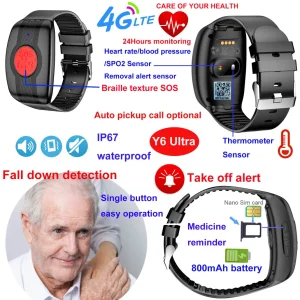
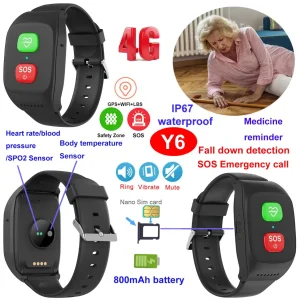
For independent living facilities, our watches combine continuous photoplethysmography (PPG) with fall detection. When the system detects a fall, it sends an emergency alert over LTE networks with high-accuracy GNSS location coordinates. Real-time data helps care staff respond quickly, improving patient safety.
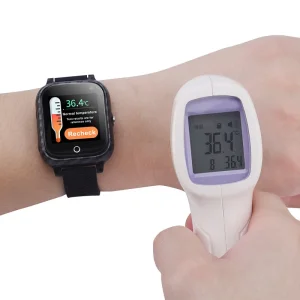
During epidemics or quarantine enforcement, governments use our waterproof LBS/GPS tracking watches. These devices feature tamper-detection sensors, geofencing, and body temperature testing. If a user leaves the geofenced area or tries to remove the watch, an automated alarm is triggered.
For high-risk environments like mining or oil fields, our rugged smartwatches monitor vital signs, core temperature, and environment changes. They help identify heat stress and fatigue early. This allows safety managers to intervene before accidents occur, reducing risk.
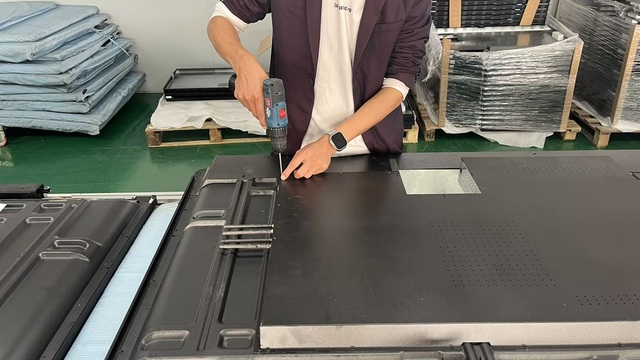
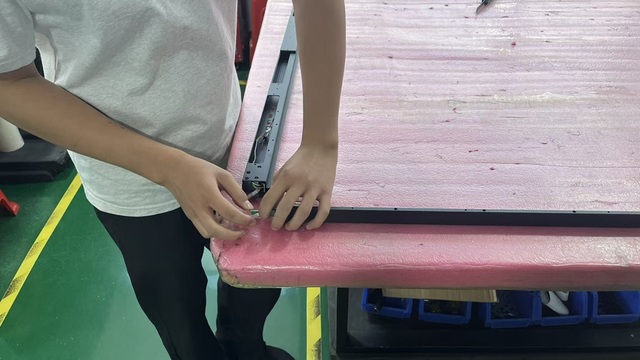
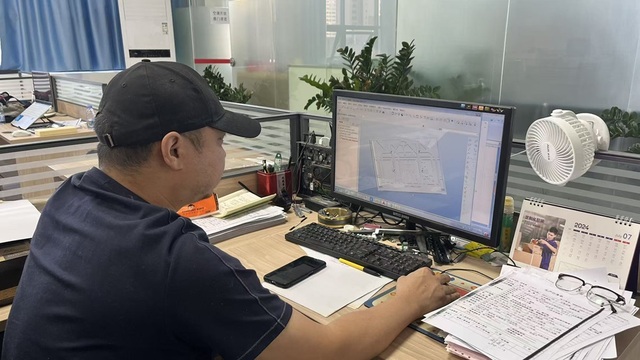
Our structured methodology for turning concept designs into certified mass-market devices.
Ensuring seamless carrier operations and strict compliance across global markets.
Deploying wireless tracking and monitoring devices globally requires navigating local cellular networks and compliance regulations. We help simplify this complexity for our OEM partners:
Our designs are tested to meet the strict emission and safety criteria required for FCC (North America), CE (Europe), and TELEC (Japan) certifications. This ensures devices comply with radio frequency regulations right from the start.
We work with global network operators to certify our LTE modems. Our devices support localized frequency band profiling, e-SIM integration, and low-latency roaming configurations, ensuring reliable connection across regions.
To prevent skin irritation during prolonged wear, our products use biocompatible plastics and medical-grade silicone. The manufacturing process is fully compliant with RoHS and REACH standards to avoid hazardous substances.
The technological advancements shaping the future of health monitoring wearables.
As health monitoring needs evolve, Shenzhen TC Health Co., Ltd. continues to update our technology roadmap. Key development areas for the next 24 months include:
Answers to technical, regulatory, and production questions from our B2B partners.
Additional products and specialized systems for child tracking, elderly safety, and asset monitoring.
 TC Health