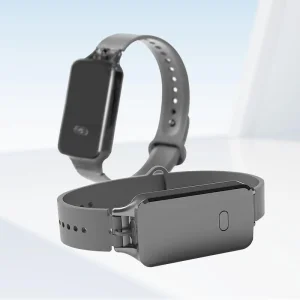
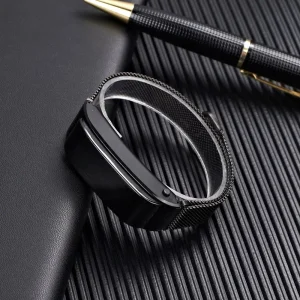
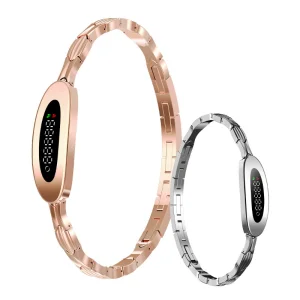
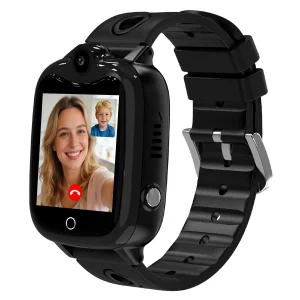
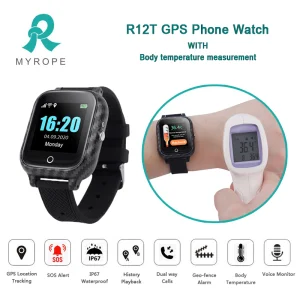
Explore our premium selection of healthcare wearables, remote patient monitoring devices, and cellular smart hubs engineered to meet global enterprise standards.
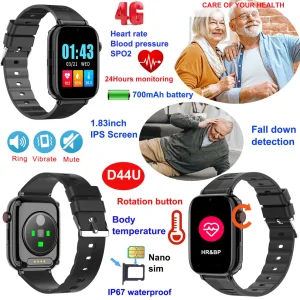
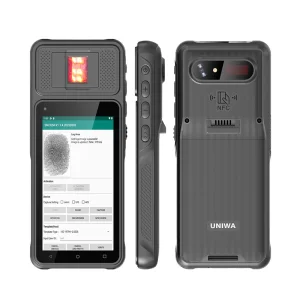
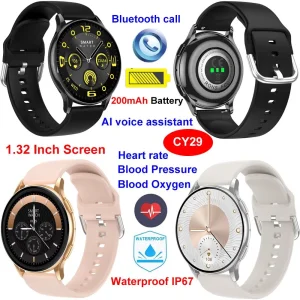
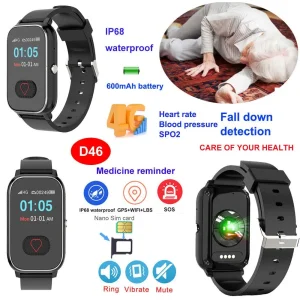
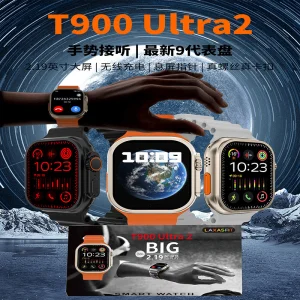
Analyzing the structural shift from reactive clinical diagnostics to preventive, continuous ambulatory cardiac monitoring.
In the contemporary healthcare landscape, the prevalence of cardiovascular diseases (CVDs) remains the leading cause of global mortality. Consequently, clinical diagnostics has experienced a paradigm shift: transitioning from static, hospital-centric electrocardiograms (ECG) to continuous, ambulatory wearable ECG monitoring. According to global health analytics, early detection of arrhythmias—such as atrial fibrillation (AFib), bradycardia, and tachycardia—reduces stroke risks by over 60%.
Globally, the market for wearable ECG monitors is expanding at an unprecedented Compound Annual Growth Rate (CAGR) of over 18.5%, projected to reach billions in market valuation. Key commercial drivers include rising populations of seniors, increasing demand for telemedicine infrastructures, and the integration of medical-grade biometrics into consumer-focused wearable electronics.
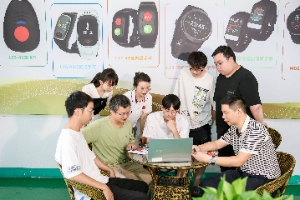
Figure 1: Shenzhen TC Health Co., Ltd. headquarters and advanced R&D center in Shenzhen, Guangdong, China.
Pioneering smart health wearables through state-of-the-art facilities, expert engineering, and ISO9001 compliance.
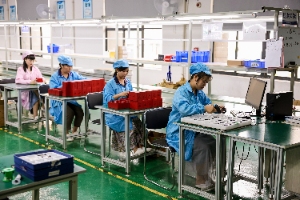
Figure 2: Advanced dust-free assembly lines and state-of-the-art diagnostic testing equipment.
Founded in 2015, Shenzhen TC Health Co., Ltd. has become a leading manufacturer specializing in smart wearable devices. With over a decade of expertise in research and development, production, and management, we focus on delivering innovative solutions in senior health management, disease monitoring, and personal safety.
Our state-of-the-art production facility located in Shenzhen, Guangdong, China is equipped with advanced production lines and precision equipment, ensuring high-quality manufacturing standards. As an ISO9001-certified company, we maintain stringent quality control throughout the production process.
Production Capacity: We produce over 100,000 units per month, enabling us to meet the demands of global markets.
Supply Chain Advantage: Our strong partnerships with material suppliers ensure cost efficiency and timely delivery.
Customization Services: We offer OEM/ODM services, providing tailored solutions to meet specific customer needs.
Technology & Craftsmanship: We combine cutting-edge technology with expert craftsmanship to deliver world-class wearable products.
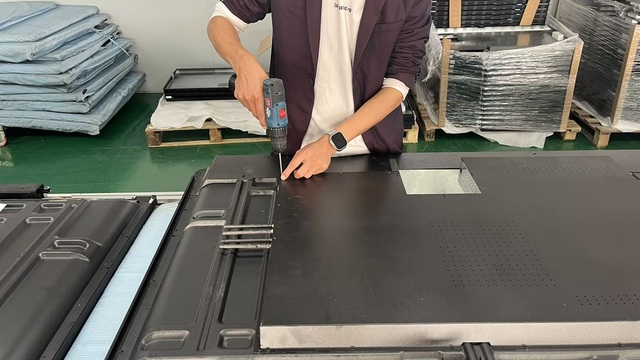

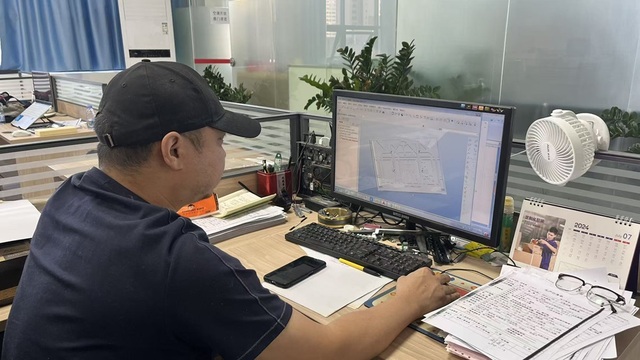
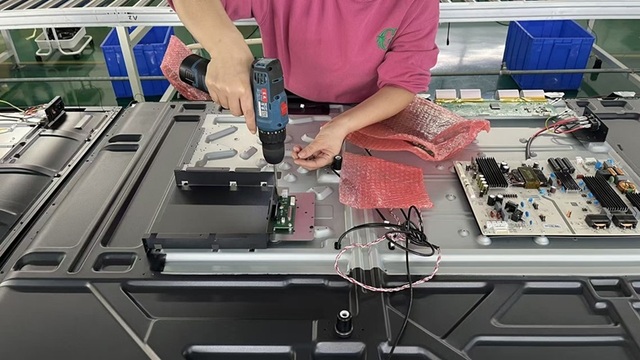


Understanding the industrial cluster effect, raw material sourcing speed, and component accessibility in Shenzhen.
Over 90% of the vital components (PCBA boards, lithium batteries, medical-grade silicone straps, microcontrollers, and BLE chips) are procured within a 2-hour logistics radius in Shenzhen, reducing lead times to zero.
High-speed Yamaha and Samsung SMT surface mount machines place components with micron accuracy, enabling a scalable production capability of up to 100,000 units monthly to fulfill large government or commercial orders.
Our engineering teams have over a decade of firmware and hardware integration experience, adjusting PCB layouts, modifying sensor housings, and developing custom SDKs for remote monitoring platforms.
Bridging the gap between medical diagnostics and daily remote monitoring across globally distinct settings.
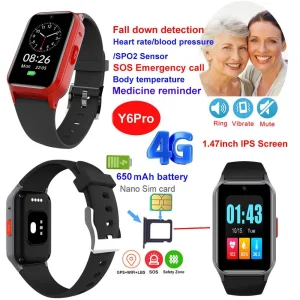
In North American and European healthcare systems, hospitals deploy our wearable ECG monitors to patients post-discharge. By continuous evaluation of cardiac rhythms through LTE-enabled devices (like our D44U and Y6Pro models), physicians receive real-time warnings of ventricular anomalies without physical appointments. This minimizes hospital readmissions and optimizes clinical resource allocation.
For elderly care organizations, combining single-lead ECG capture with high-accuracy 3-axis accelerometers allows monitoring teams to track both cardiac activity and movement states. Features like fall-down detection, GPS tracking, and sudden heart rate spike indicators trigger emergency alerts via 4G, safeguarding independent senior living.
Life and health insurance underwriters globally utilize smart trackers with integrated ECG sensors to offer discount incentives to proactive, health-conscious policyholders. Regular bio-feedback telemetry enables preventive care alerts, decreasing claims costs for the insurer while elevating subscriber engagement.
In heavy industrial sectors such as mining, deep-sea exploration, and high-altitude construction, physical stressors directly affect cardiac functionality. Implementing wearable ECG smart wristbands within occupational safety protocols monitors heat stress, physical fatigue, and hypoxia risks in real time. This ensures field supervisors receive instant SMS notifications via local cellular networks when a worker's biometric indicators deviate from normal baselines.
We facilitate quick system integration with open-source interfaces designed for remote healthcare platforms:
Key engineering and design considerations for international distributors, medical groups, and OEM brands.
Always verify that your manufacturing partner holds ISO13485 (Medical Device Quality Management) alongside general ISO9001 certifications. Confirm CE, FCC, RoHS, and local telecommunication authority licenses (PTCRB, GCF for mobile bands) to prevent border customs holds.
Ensure the device firmware supports over-the-air (FOTA) updates. This permits remote patching of algorithmic engines, battery consumption updates, and encryption protocols without requiring unit recalls from the end users.
Wearable monitors demand high ingress protection (IP67 or IP68 waterproof levels) to endure daily handwashing, showers, and sweat. Premium biocompatible materials like medical-grade TPU or anti-allergic silicone are critical to prevent contact dermatitis during continuous wear.
Expert technical and commercial answers to clarify your procurement, customization, and logistics doubts.
High-reliability GPS emergency locators, smart health bracelets, and professional tracking devices designed for global distribution.
 TC Health