Explore our premium grade IoT smartwatches engineered with high waterproof ratings, precision biometric monitoring, and emergency SOS interfaces.
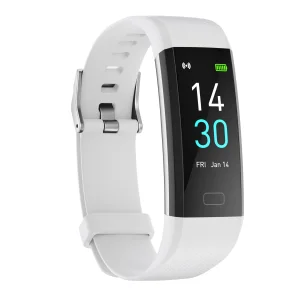
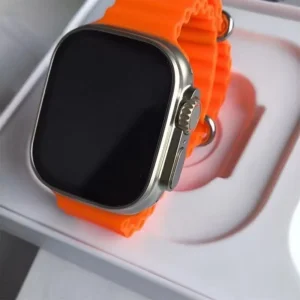
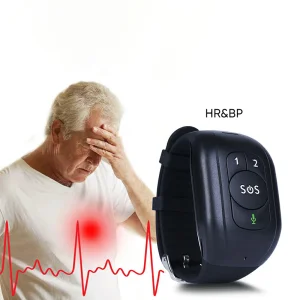
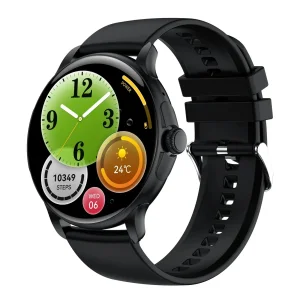
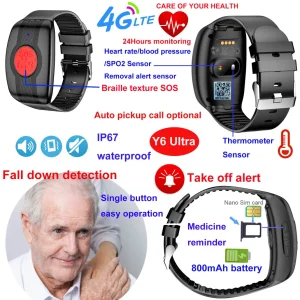
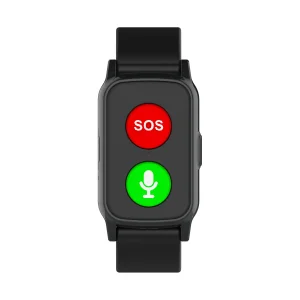
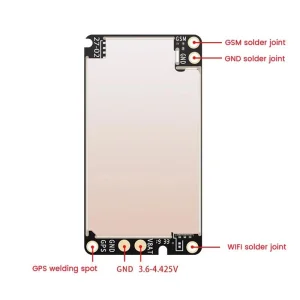
As the global population undergoes a massive demographic shift, the demand for sophisticated, medical-grade, and non-intrusive monitoring systems for the elderly has grown exponentially. At the center of this revolution is the senior smartwatch—a dedicated device designed to bridge the gap between active independence and safety surveillance. As an industry-leading OEM/ODM partner, Shenzhen TC Health Co., Ltd. (founded in 2015) has spent over a decade developing, manufacturing, and exporting advanced wearable health solutions to global buyers in North America, Europe, and Asia.
This document presents a comprehensive analysis of the technical specifications, structural waterproofing architectures, clinical sensor integration methodologies, localization barriers, and supply chain strategies that shape the high-reliability geriatric wearable market today.
"Modern senior safety wearables require a holistic design that prioritizes battery longevity, foolproof SOS user interfaces, and robust structural resilience. Most importantly, waterproofing is not just a convenience feature; it is a critical safety parameter that ensures uninterrupted protection in high-risk environments like showers and bathrooms."
For standard consumer wearables, waterproofing prevents damage from rain or accidental splashes. For senior smartwatches, waterproofing is a critical life-safety requirement. Data from the World Health Organization (WHO) and geriatric healthcare institutions reveal that over 80% of elderly slip-and-fall incidents occur in the bathroom—specifically in or around showers and bathtubs. Moisture, steam, and thermal changes create hazardous floor surfaces, and the physical effort required to bathe often triggers cardiovascular strain, leading to syncope or loss of balance.
If a senior smartwatch fails due to liquid ingress during a shower, the automatic fall detection and SOS alert systems are instantly rendered useless. Therefore, a true senior smartwatch must feature at least IP68 Ingress Protection or 5ATM waterproof rating. Shenzhen TC Health Co., Ltd. utilizes structural engineering techniques designed to withstand chemical exposure from soap, shampoo, hot water steam, and prolonged immersion:
A high-quality senior smartwatch must offer clinical-grade tracking. The internal architecture of our products integrates a multi-sensor array designed for continuous, low-latency biometric and telemetry feedback:
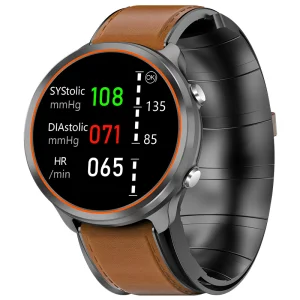
Utilizes green, red, and infrared LED arrays to perform continuous photoplethysmography. It tracks real-time heart rate variation (HRV), monitors blood oxygen saturation (SpO2), and supports optical blood pressure estimation.
Integrates GPS, GLONASS, Galileo, and Wi-Fi positioning logic. In the event of an emergency, the watch provides real-time location data with accuracy down to 5 meters, essential for search and rescue operations.
Embedded triaxial accelerometers and gyroscopes track abrupt velocity changes and body rotation. Combined with machine learning models, the firmware identifies falls and automatically triggers an SOS alert.
Wearable health technology is moving from reactive emergency reporting to proactive, preventative care. Shenzhen TC Health Co., Ltd. is actively piloting several innovations that will define our product catalog in the coming years:
Integration of dry electrodes on the bezel and backplate to capture Lead-I Electrocardiogram (ECG) data. The firmware features built-in AFib detection algorithms to warn wearers of irregular heart rhythms.
R&D focusing on multi-spectral optical sensors and machine learning models to track changes in blood glucose levels without painful skin punctures.
Transitioning from standard LTE Cat-4 to Narrowband IoT (NB-IoT) and LTE-M architectures. This shift significantly reduces standby power consumption, extending battery life to 7–10 days on a single charge.
Our smartwatches are designed to integrate seamlessly into B2B digital health ecosystems. Across the globe, enterprise clients leverage our hardware to power three core institutional programs:
Medical and location data require strict compliance with international standards. Shenzhen TC Health Co., Ltd. provides comprehensive certification and security support to ensure smooth market entry:
Take a look inside our ISO9001 certified production facility in Shenzhen, China. We integrate precision SMT lines, advanced quality assurance, and automated calibration equipment to deliver over 100,000 units monthly.
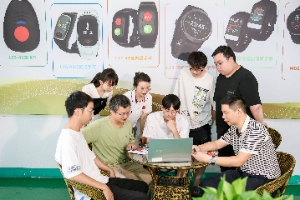
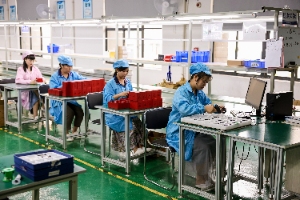
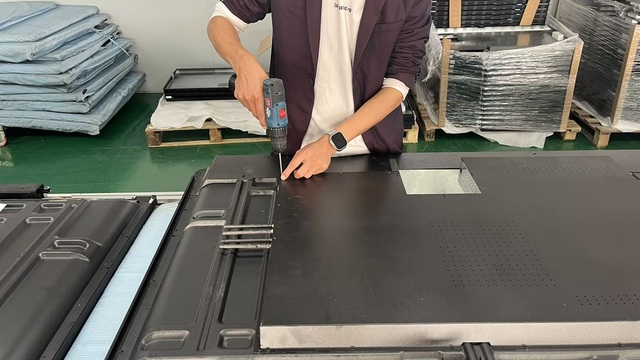
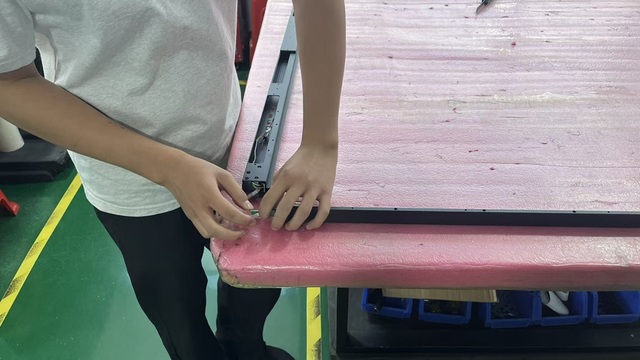
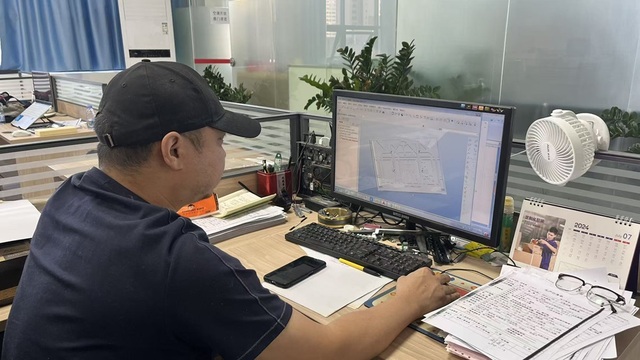
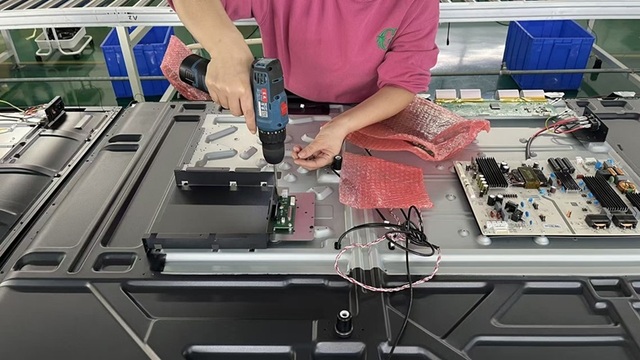
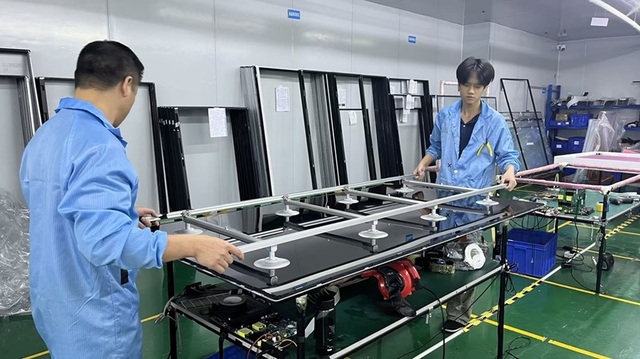
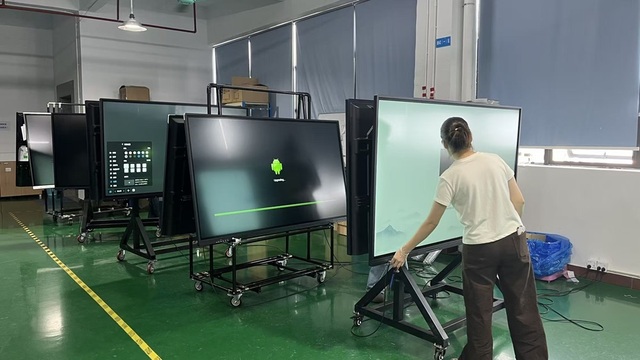
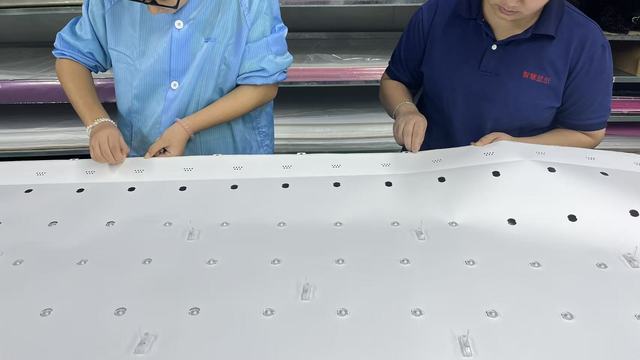
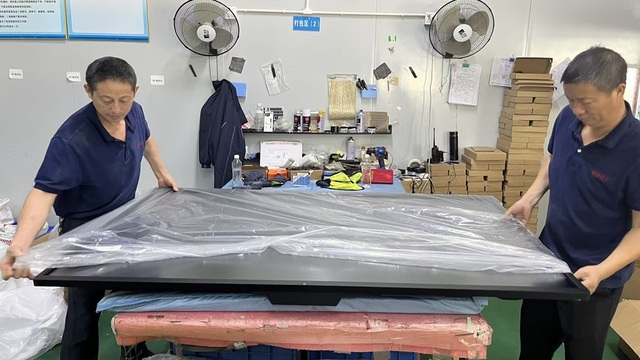
Shenzhen remains the epicenter of global consumer electronics and medical IoT innovation. Producing smart devices here allows us to source raw materials, silicon chips, high-density batteries, and OLED screens with minimal transit delays. This integration keeps our pricing competitive and protects our supply chain against global market disruptions.
Our ISO9001-certified factory utilizes advanced manufacturing technologies, including Yamaha high-speed SMT placement lines, SPI solder paste inspection, AOI optical testing, and localized dust-free assembly rooms. This end-to-end control ensures that every senior health tracking band or watch exported to our global B2B clients meets high standards of durability, usability, and waterproofing.
How we help telemetry providers, medical groups, and brand owners customize smart wearables for local markets.
Custom software translations, dedicated senior-friendly oversized UI fonts, and single-purpose interfaces designed for users with cognitive or visual impairments.
We provide comprehensive backend APIs, firmware-level Bluetooth protocols, and Android/iOS SDKs to enable smooth integration with your proprietary RPM dashboards.
Laser engraving of client logos, customized retail and shipping packaging, and pre-installed boot animations to align with your brand image.
Alter shell configurations, customize button tactile feedback, select strap materials (including hypoallergenic medical-grade silicones), and design custom charging docks.
B2B procurement managers and system integrators ask our engineering team these critical questions before placing bulk orders.
Our proprietary algorithm operates on a 6-axis IMU sensor (integrating a 3-axis accelerometer and a 3-axis gyroscope) sampling at 50Hz. The algorithm calculates acceleration changes across three stages: the descent phase (free-fall velocity), the impact phase (sudden acceleration deceleration), and the subsequent immobility phase. By evaluating these sequential events against thresholds verified by testing, we reduce false triggers caused by sudden movements like sitting down quickly or clapping.
We employ a two-step quality assurance process. First, prior to final circuit integration, housing parts undergo a dry pneumatic leak test using positive and negative air pressure differentials to check the integrity of gaskets and ultrasonic joints. Second, finished watch batches are placed into specialized hydrostatic chambers that simulate depths of 50 meters (5 atmospheres) for a set period. This ensures long-term protection against hot showers, steam, and swimming pools.
Yes. We offer fully documented API and SDK solutions for software developers. Our devices support data transmission in JSON format using secure MQTT or HTTPS protocols. This allows you to stream biometric metrics (heart rate, SpO2, temperature, fall triggers, step counts) directly into your local database or telemedicine platform.
Battery life depends on the frequency of telemetry updates. Under standard usage—with heartbeat tracking every 30 minutes, 4G standby enabled, and GPS updating every 10 minutes—our 500mAh high-density lithium polymer batteries last between 48 to 72 hours. By implementing smart power-saving protocols and movement-based sensor activation, battery life can extend up to 5 days, minimizing the frequency of charging for older users.
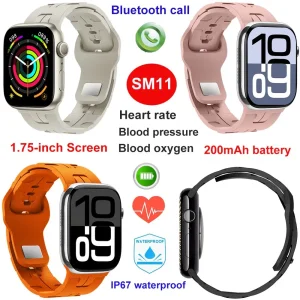
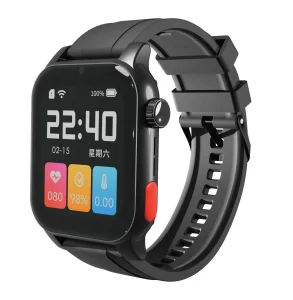
Compare additional premium styles, health bracelets, and cellular tracking modules built for diverse consumer and clinical requirements.
 TC Health