How Wearable Technology Enhances Care for the Elderly in 2026?

Time:2026-06-16 Author:Madeline
0%

In 2026, wearable technology plays a crucial role in enhancing elderly care. Devices like smartwatches and health trackers offer real-time health monitoring. They send alerts during emergencies, ensuring timely assistance for seniors. Understanding how wearable technology improves elderly care allows us to appreciate this shift in healthcare.

Wearables provide personalized insights into health metrics, such as heart rate and activity levels. This data empowers caregivers and family members to make informed decisions. However, not all seniors embrace this technology. Some find it challenging to adapt. There is an ongoing debate about privacy, as continuous data collection raises concerns.

Despite these challenges, the benefits of wearable technology remain significant. It can increase independence for many elderly individuals. Yet, the acceptance of such tools requires thoughtful consideration. Balancing innovation with privacy and usability is essential for the future of elderly care.
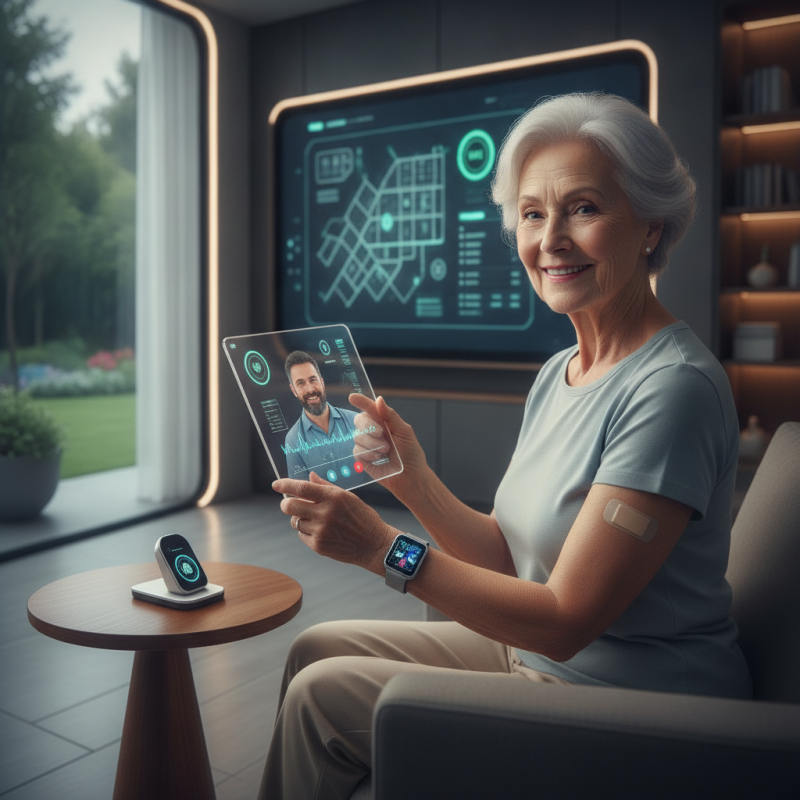
How Wearable Technology Enhances Care for the Elderly in 2026?

The Role of Wearable Technology in Elderly Care

Wearable technology is transforming elderly care in numerous ways. In 2026, devices like smartwatches and health monitors provide essential real-time data. These gadgets track vital signs, such as heart rate and blood pressure. As a result, caregivers can respond promptly to health issues. Many seniors appreciate the autonomy these devices bring, allowing them to age in place.

Moreover, wearable devices promote social connectivity among the elderly. Through simple notifications, they remind users of important appointments or even check-ins from family members. This connectivity combats feelings of isolation, a common challenge among seniors. However, technology can be overwhelming. Some elder individuals may struggle with understanding how to use these devices fully.

Additionally, data privacy raises concerns. Seniors may hesitate to share health information due to fear of misuse. Ongoing education about data protection is essential. Without this knowledge, the potential benefits can become overshadowed by uncertainties. Ensuring that wearables remain user-friendly and secure will enhance the experience and build trust in technology. The path to better elderly care is paved with both technological advancements and thoughtful considerations.

Types of Wearable Devices Used by Seniors in 2026

The landscape of wearable technology for seniors has evolved dramatically by 2026. Various devices have emerged to enhance health monitoring and improve the quality of life. Health-tracking smartwatches have become popular among the elderly. These devices monitor heart rates, physical activity, and sleep patterns. A report from the Global Aging Index indicates that 40% of seniors use these wearables regularly.

Another essential device is the health monitoring patch. These patches can detect changes in vital signs and alert caregivers or medical professionals. Such immediate notifications can be life-saving. Indeed, 25% of seniors rely on these patches for continuous health surveillance, according to recent studies. However, some seniors find the technology challenging to use. This can create frustration and discourage usage.

Tips: Start with simple devices. Encourage seniors to gradually explore features. Regularly review their health data together to foster engagement. Educating seniors about the benefits can enhance acceptance. Lastly, wearable technology should feel like a companion, not a burden.

How Wearable Technology Enhances Care for the Elderly in 2026? - Types of Wearable Devices Used by Seniors in 2026

Device Type Primary Function Key Features Popularity Among Seniors (%)
Smartwatches Health Monitoring Heart rate tracking, medication reminders, GPS 45%
Fitness Trackers Activity Tracking Step count, sleep monitoring, calories burned 30%
Fall Detection Devices Emergency Alerts Automatic fall detection, emergency contacts 35%
Medication Management Devices Medication Reminders Smart pill dispensers, alerts for doses 25%
Hearing Aids Hearing Assistance Bluetooth connectivity, sound customization 40%

How Wearables Improve Health Monitoring and Emergency Response

Wearable technology is changing how we monitor health. In 2026, wearables are an integral part of elderly care. Health monitoring devices can track heart rate, blood pressure, and even oxygen levels. These pieces of technology provide real-time data. A fall detection feature is particularly valuable for seniors living alone. It automatically alerts caregivers in case of an emergency.

Emergency response is more efficient with wearables. Some devices can send alerts with just a button press. This immediate action can save lives. However, reliance on technology raises questions. Not all seniors may feel comfortable using these devices. Tech support is crucial for users who struggle with technology.

Despite their advantages, wearables can be limiting. They often require charging and regular updates. Forgetting to wear or charge them can lead to lapses in monitoring. It’s vital that families remain active in the care process. They must ensure that technology serves as an aid, not a hindrance. Adapting to these changes is key for a better quality of life.

Impact of Wearable Technology on Social Interaction and Mental Health

In 2026, wearable technology plays a vital role in enhancing social interaction for the elderly. Devices like wristbands and smartwatches not only monitor health but also serve as communication tools. Seniors can quickly connect with family and friends through voice messages or video calls. This access reduces feelings of isolation, a common issue among the aging population.

Furthermore, these technologies can track social activities and remind users to engage in them. Regular reminders for social engagements or family gatherings help maintain relationships. However, some might find these reminders intrusive. It’s important to strike a balance between encouragement and personal space. Technology should complement, not replace, genuine human connection.

Moreover, the influence of wearable technology on mental health is noteworthy. Active engagement with loved ones can elevate a senior's mood. However, over-reliance on gadgets may lead to feelings of frustration when technology fails. Ensuring ease of use is essential. Ultimately, while wearable tech offers significant benefits, reflection on its impact is crucial for meaningful engagement in the lives of the elderly.

Future Trends in Wearable Technology for Aging Populations

Wearable technology is set to revolutionize care for the elderly by 2026. New devices will monitor vital signs in real-time. They can track heart rate, sleep patterns, and activity levels. This data helps caregivers respond quickly to potential health issues. More importantly, it allows older adults to maintain independence. Accurate health monitoring can delay or prevent hospital visits.

Future trends indicate a shift toward personalization. Wearables will adapt to individual health needs. AI will analyze personal data and deliver tailored recommendations. These smart devices can remind users to take medications or schedule doctor appointments. However, technology may also raise privacy concerns. Elderly users could feel uneasy sharing their health data. It's essential to balance innovation with security and trust.

Despite advancements, challenges remain. Not all seniors are tech-savvy. Some might struggle to understand new devices. User-friendly interfaces will be crucial. Training programs may bridge this gap. Developing solutions that consider the elderly's unique needs is vital. Wearable technology has great potential but must be accessible and user-friendly for all.

How Wearable Technology Enhances Care for the Elderly in 2026

FAQS

: How do wearables help in health monitoring?

: Wearables track vital signs like heart rate and blood pressure. They provide real-time data to caregivers.

What is a key feature for elderly users?

Fall detection alerts caregivers automatically during emergencies. This feature is especially helpful for seniors living alone.

Can wearables replace traditional health care?

No, they should complement care. Technology can't replace human interaction and professional medical advice.

What are common challenges with wearables?

They require charging and regular updates. Forgetting to wear them can disrupt health monitoring.

How can wearables personalize health care?

Future devices will adapt to individual health needs. AI will analyze data to give tailored recommendations.

What concerns do seniors have about using wearables?

Privacy is a major concern. Many elderly users are uneasy about sharing their health information.

Are all seniors comfortable using technology?

Not all seniors are tech-savvy. Some struggle to understand how to use new devices effectively.

How can families support elderly users of wearables?

Family members should remain engaged in the care process. They can help with technology and encourage use.

Why is user training important?

Training programs can bridge gaps in understanding. They help make devices user-friendly for seniors.

What should be considered for future wearable technology?

Solutions must be accessible and tailored to seniors. Balancing innovation with usability is crucial.

Conclusion

In 2026, wearable technology plays a pivotal role in enhancing elderly care through various innovative devices designed specifically for seniors. These wearables, including fitness trackers, health monitors, and emergency alert systems, allow for continuous health monitoring, enabling caregivers to respond swiftly to health changes and emergencies. This proactive approach not only helps manage chronic conditions but also fosters a greater sense of security among the elderly.

Moreover, how wearable technology improves elderly care extends beyond physical health; it positively impacts social interaction and mental health. By facilitating communication and encouraging social engagement, wearables combat feelings of isolation and loneliness often experienced by seniors. As trends continue to evolve, the future of wearable technology for aging populations promises even greater advancements, ensuring that elderly individuals can live healthier, more connected lives.

Madeline

Madeline

Madeline is a dedicated marketing professional with a wealth of expertise in our company's core offerings. With a keen understanding of the industry, she brings a unique perspective to her role, consistently delivering high-quality content that highlights the superior aspects of our products. As......