China’s leading wearable devices now place heart-rate trends, sleep stages, blood oxygen, and daily activity on your wrist. This guide explains how to use wearable devices for health tracking with practical care, not blind trust. Popular models from Huawei, Xiaomi, Amazfit, and other Chinese brands offer useful dashboards, but their accuracy can differ by sensor, fit, skin contact, and software updates.
Start with a comfortable fit. The device should sit firmly above your wrist bone, especially during exercise. Charge it fully, install the official app, and review privacy permissions before syncing personal data. Create a baseline for seven to fourteen days. Watch resting heart rate, sleep duration, step patterns, and training recovery. Do not judge one unusual reading too quickly. A loose strap, cold hands, intense movement, or poor sleep can distort results.
Michael Snyder, a Stanford University professor and wearable-health researcher, has said, “We can detect disease before people have symptoms.” This idea shows the technology’s promise, but it requires careful interpretation. A wearable is not a doctor. It cannot confirm diabetes, heart disease, infection, or sleep disorders by itself. Use alerts as prompts for further attention, not final diagnoses. For example, repeated high resting heart rates deserve a calm review, especially alongside dizziness or chest discomfort. I would also question attractive graphs that lack clear measurement methods. Convenience can hide uncertainty. Compare trends with how you actually feel, keep firmware updated, and discuss persistent concerns with a qualified healthcare professional.
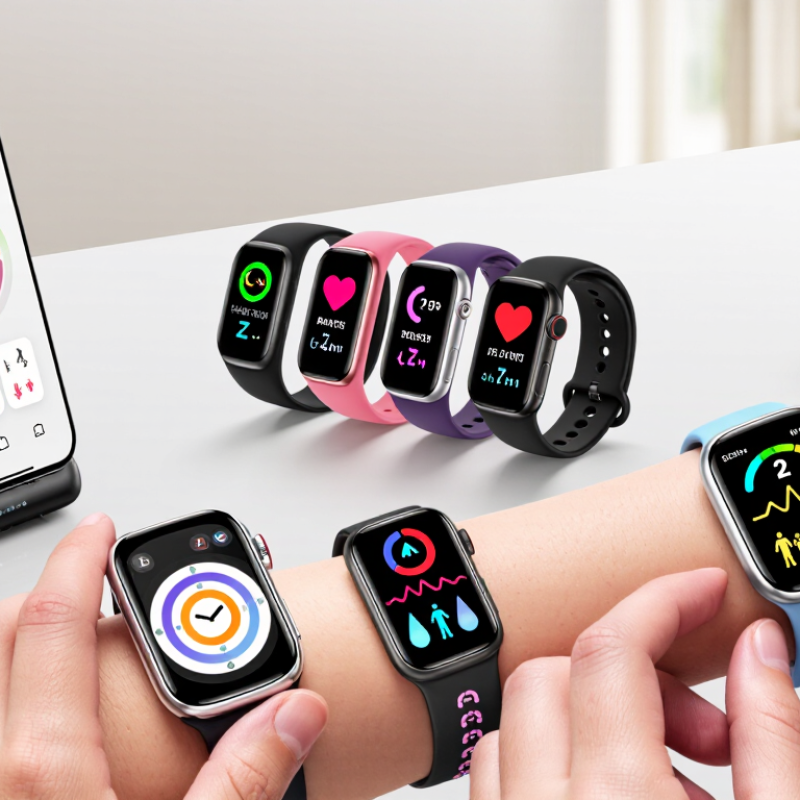
China’s top wearable devices for health tracking often combine wrist sensors, mobile apps, and long battery life. They can record heart rate, sleep duration, blood oxygen estimates, steps, and exercise intensity. Some models also measure skin temperature or provide irregular rhythm alerts. These features are useful for spotting patterns, not diagnosing illness.
In daily use, wear the device firmly above the wrist bone. Keep the sensor surface clean and dry. Record readings during similar activities, such as a quiet morning walk. This makes comparisons more meaningful. I would check the app after several days, rather than reacting to one unusual number. Short-term changes can result from stress, poor sleep, movement, or a loose strap.
Accuracy still has limits. Blood oxygen readings may become unreliable during motion or cold weather. Sleep stages are estimates, not clinical measurements. That matters. Compare persistent concerns with a validated home monitor or professional medical advice. Check how the device stores health data and whether you can delete it. Battery reminders also matter because an uncharged tracker cannot record anything. I sometimes trust clean graphs too quickly, which is a weakness worth remembering. Use the device as a practical observation tool, while keeping human judgment and medical guidance in control.
How to Use China Top Wearable Devices for Health Tracking?
Choosing a Wearable Device Based on Your Health Tracking Needs
A wearable device should match your daily health goals, not fashionable features. For sleep tracking, choose a light device with stable overnight battery life. A bright screen may matter less than comfortable sensors. If you monitor exercise, check GPS performance, heart-rate readings, and water resistance. During a long run, loose contact can create strange spikes. Fit matters more than many buyers expect.
For general wellness, track resting heart rate, steps, sleep duration, and activity trends. Look for clear graphs and exportable records. These details help you discuss changes with a qualified healthcare professional. Blood oxygen and stress scores can offer useful clues, but they are not medical diagnoses. Read the device’s accuracy information carefully. Independent testing is more convincing than advertising claims. Data privacy also deserves attention, especially when health records enter a mobile application.
Use the device consistently for several weeks. Compare readings with how you feel, your exercise routine, and occasional clinical measurements. Do not panic over one unusual result. I have found that wrist movement, cold skin, and loose straps can distort readings. This is easy to overlook. Set realistic alerts, because constant notifications may increase anxiety instead of improving health. Firmware updates can improve performance, yet they may also change menus or battery use. Keep reviewing whether each feature genuinely supports your health tracking needs.
Start by charging the wearable fully and cleaning the sensor window. Place it firmly above your wrist bone, but avoid excessive tightness. Accurate readings depend on stable contact, especially during sleep or exercise. Open the companion app and allow only necessary permissions. Health data may include heart rate, movement, sleep, and location details. Review privacy settings before syncing anything.
Create a personal health profile with your age, height, weight, activity level, and usual sleep schedule. Enter these details carefully. Incorrect information can distort calorie estimates and training suggestions. My first setup was not perfect. I entered an old weight and noticed confusing results for several days. Check the profile monthly, or after major health changes. The device should support observation, not replace professional medical advice.
Tips: Wear the device consistently for comparable results. Keep the sensor dry during normal use. Calibrate step goals with a familiar walking route. Compare unusual readings with how you feel, and repeat the measurement after resting. Do not treat one unusual result as a diagnosis. App updates can change menus, so review settings after each update. Some data may also be missed when the battery is low.
How to Use China Top Wearable Devices for Health Tracking?
Modern wearable devices made in China can support practical daily health tracking. They may record heart rate, sleep duration, blood oxygen estimates, steps, stress indicators, and exercise sessions. These readings can reveal patterns during busy workdays or quiet nights. However, they are not medical diagnoses. Use them as helpful signals, not final answers.
Wear the device firmly above the wrist bone, but avoid excessive pressure. Check your profile details, including age, height, weight, and activity level. Incorrect settings can distort calorie and fitness estimates. Compare readings over several days instead of reacting to one unusual result. For example, note whether poor sleep follows late caffeine, heavy meals, or screen use. I have found that consistent timing makes trends easier to understand. Still, some readings can be imperfect. Movement, loose straps, cold skin, and tattoos may affect accuracy. Seek professional medical advice when symptoms continue or readings seem alarming.
Tips: Charge the device before sleep tracking. Clean the sensor regularly. Review weekly trends, not every minute. Turn off unnecessary alerts to reduce anxiety. Keep a simple note beside the data. Record exercise, medication changes, and stressful events. This context helps separate a genuine health pattern from a temporary fluctuation. Avoid changing treatment based only on wearable results. A clinician can interpret concerning changes more safely.
| Health Metric | Unit | Typical Wearable Sensor or Method | Common Tracking Pattern | Useful Daily Insight | Important Limitation |
|---|---|---|---|---|---|
| Heart Rate | beats per minute (bpm) | Optical photoplethysmography (PPG) | Periodic readings at rest and during activity | Shows changes in resting rate, exercise response, and recovery trends | Motion, loose fit, skin contact, temperature, and skin characteristics can reduce accuracy |
| Resting Heart Rate | beats per minute (bpm) | PPG during periods of inactivity or sleep | Usually summarized as a daily or weekly average | A personal baseline can help identify unusual changes associated with stress, illness, alcohol, or poor sleep | A single elevated value is not diagnostic; compare trends under similar conditions |
| Heart Rate Variability | milliseconds (ms) | Pulse intervals estimated by PPG or measured by electrocardiography (ECG) | Often reported during sleep or a controlled resting measurement | May reflect changes in recovery, stress, sleep, and training load relative to personal baseline | Values vary widely between individuals and are strongly affected by posture, breathing, illness, and measurement quality |
| Blood Oxygen Saturation (SpO₂) | percentage (%) | Red and infrared light pulse oximetry | Spot checks or occasional readings, sometimes during sleep | Provides an estimate of oxygen saturation under the measurement conditions | Movement, cold hands, poor circulation, nail products, and loose placement can affect readings; not a diagnosis |
| Sleep Duration | hours and minutes | Movement sensors combined with heart-rate patterns | Automatically estimated overnight | Helps compare sleep opportunity and consistency across days | Quiet wakefulness may be classified as sleep, and brief awakenings may be missed |
| Sleep Stages | minutes or percentage (%) | Movement, heart rate, and sometimes blood oxygen signals | Estimated in overnight summaries | Shows broad changes in sleep continuity and estimated light, deep, or REM periods | Consumer algorithms estimate stages and are not equivalent to clinical polysomnography |
| Daily Steps | steps | Accelerometer and gyroscope | Continuous estimation while the device is worn | Supports activity consistency and sedentary-behavior awareness | Counts can differ with hand position, carrying location, walking style, and non-walking movement |
| Active Minutes | minutes | Accelerometer, gyroscope, and heart-rate data | Accumulated during moderate or vigorous movement | Helps track progress toward public-health activity targets | Intensity thresholds differ by algorithm and may not match laboratory measurements |
| Distance and Pace | kilometres (km) and minutes per kilometre | Global Navigation Satellite System (GNSS), accelerometer, and stride estimates | Recorded during outdoor walking or running sessions | Allows comparison of route distance, speed, and training consistency | Buildings, trees, tunnels, signal loss, and stride assumptions can affect distance accuracy |
| Calories Burned | kilocalories (kcal) | Estimated from movement, heart rate, body characteristics, and activity type | Daily total and exercise-session estimates | Useful for observing activity trends rather than calculating exact energy balance | Energy expenditure is model-based and can have substantial individual error |
| Skin Temperature Trend | degrees Celsius (°C) | Temperature sensor near the skin | Usually measured during sleep or extended skin contact | Can indicate deviation from a personal baseline influenced by environment or physiology | It is not the same as core body temperature and is affected by room temperature and device fit |
| Electrocardiogram (ECG) | electrical waveform | Electrical electrodes on the wearable and the user's finger or skin contact | Short, user-initiated recordings, commonly about 30 seconds | May document heart rhythm during a specific symptom or resting period | A single-lead consumer recording cannot detect every cardiac condition and should not replace medical evaluation |
Note: Wearable measurements are generally intended for wellness and trend tracking. For persistent, severe, or unusual symptoms, consult a qualified healthcare professional and use validated medical equipment when required.
China-made wearable devices can turn daily movement into readable health signals. The World Health Organization reported in 2024 that 31% of adults worldwide are physically inactive. A wearable may reveal long sitting periods, short walks, or inconsistent sleep.
Use it as a mirror, not a doctor.
Compare resting heart rate, sleep duration, and step patterns across several days. One strange reading means little. Skin contact, loose straps, exercise, and stress can affect results.
Set a small target, such as a ten-minute walk after lunch. The target should fit real life.
Mine often does not.
A 2023 Pew Research Center survey found that 81% of Americans feel they have little or no control over company data collection.
Review app permissions before pairing the device. Disable location access when it is unnecessary. Choose strong passwords and activate multi-factor authentication. Avoid uploading sensitive health records to unknown services.
Read retention and deletion policies carefully. Some screens look reassuring, but clear explanations are still missing.
That should make users pause.
The WHO also recommends regular physical activity for substantial health benefits, but wearable goals are not medical prescriptions.
If alerts repeatedly show unusual heart readings, confirm them with a qualified clinician. Keep original measurements available.
Personal experience helps, but verified evidence matters more.
They can estimate heart rate, sleep duration, blood oxygen, steps, stress, and exercise sessions. These readings show daily patterns. They are not medical diagnoses.
Place it firmly above the wrist bone. Avoid painful pressure. Keep the sensor touching your skin during sleep and exercise.
Loose straps, movement, cold skin, tattoos, and poor contact can affect measurements. Some readings remain imperfect. Mine does not always work.
No. Compare results across several days. One strange number may reflect stress, exercise, or a loose strap.
Note exercise, caffeine, heavy meals, screen use, medication changes, and stressful events. A simple notebook can explain sudden changes.
Review weekly trends instead of checking every minute. Try a realistic goal, such as a ten-minute walk after lunch. Mine often does not fit real life.
Review app permissions before pairing the device. Disable unnecessary location access. Use a strong password and multi-factor authentication.
Contact a qualified clinician when symptoms continue or unusual alerts repeat. Do not change treatment based only on wearable results. Verified evidence matters more.
China’s top wearable devices for health tracking combine compact sensors, mobile apps, and personal health profiles to help users understand everyday wellness. When choosing a device, consider your goals, such as monitoring heart rate, sleep, activity, stress, or blood oxygen, along with comfort, battery life, sensor accuracy, and data compatibility. After setup, wear the device correctly, connect it to its official app, and enter basic personal information so measurements can be interpreted more consistently.
Learning how to use wearable devices for health tracking involves checking daily metrics regularly rather than focusing on a single reading. Review trends in activity, sleep, heart rate, and recovery to identify habits that may need improvement. Keep software updated, use strong account protection, and understand how health data is stored or shared. Wearable readings are useful for general wellness awareness but should not replace professional medical advice. By combining consistent tracking with balanced routines, users can make more informed and sustainable health decisions.

TC Health