Why You Should Use Wearable Devices for Health Tracking?

Time:2026-05-31 Author:Madeline
0%

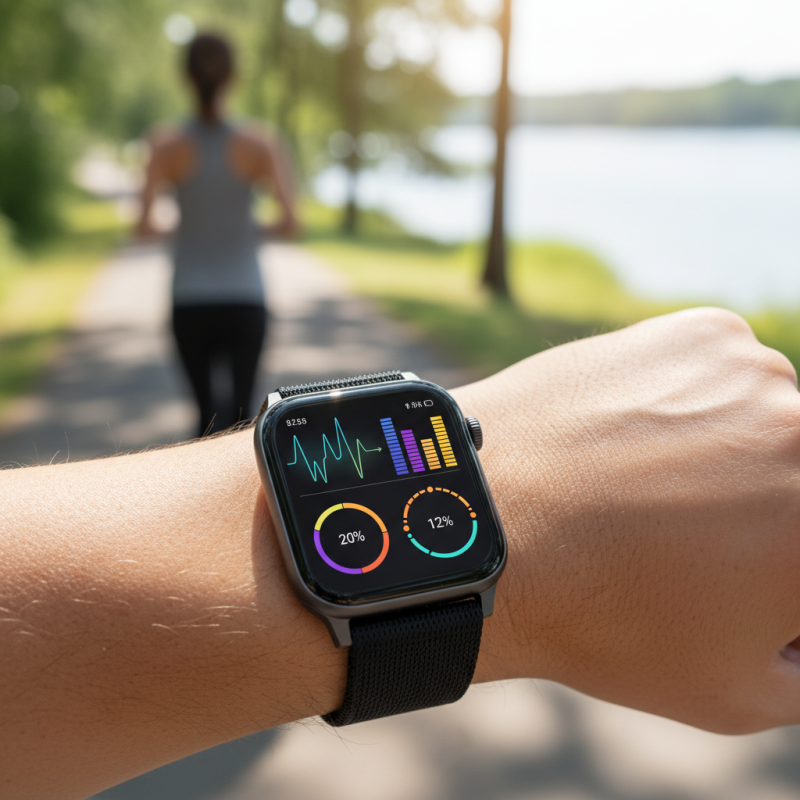
In recent years, wearable devices have transformed the way we approach health tracking. Fitness trackers, smartwatches, and other devices are now commonplace. They offer a wealth of data that can enhance our understanding of personal health. However, many individuals are unsure of how to use wearable devices for health tracking effectively.

These devices can monitor heart rates, analyze sleep patterns, and track daily activities. By understanding this data, users can make informed decisions about their health. Yet, for some, interpreting the information can be challenging. Not all people know how to leverage these insights for their benefit, leading to potential frustration.

Moreover, the abundance of data can sometimes feel overwhelming. It's important to prioritize what truly matters for individual health goals. Additionally, while the technology is impressive, not all wearable devices provide accurate readings. Reflecting on these nuances can help users navigate their health journeys more effectively.
Why You Should Use Wearable Devices for Health Tracking?

The Evolution of Wearable Health Technology

Wearable health technology has come a long way. Once, it was a simple wristband counting steps. Now, devices monitor heart rate, sleep patterns, and even stress levels. This evolution reflects advances in sensors and data analysis. Users benefit by gaining insights into their health in real time.

Smartwatches and fitness trackers have become mainstream. They offer an easy way to keep track of health metrics. However, not all devices are created equal. Some may not provide accurate readings. Users need to remain critical and seek reliable sources of information. Understanding their limits can enhance user experience.

The future of wearable health technology looks promising. New developments may include more sophisticated diagnostics. Integration with telemedicine is also on the horizon. As this field progresses, users should stay informed. The goal is to empower individuals to make better health choices.

Why You Should Use Wearable Devices for Health Tracking? - The Evolution of Wearable Health Technology

Device Type Primary Function Key Features Health Metrics Tracked User Demographics
Smartwatches Fitness and Activity Tracking Heart Rate Monitor, GPS, Notifications Heart Rate, Steps, Calories Burned Young Adults, Fitness Enthusiasts
Fitness Bands Step Tracking and Basic Health Monitoring Sleep Tracking, Minimalist Design Steps, Sleep Duration Health-Conscious Individuals, Budget Users
Smart Glasses Augmented Reality and Information Overlay Real-Time Feedback, Hands-Free Operation Activity Guidance, Visual Assistance Tech Enthusiasts, Professionals in Active Jobs
Smart Clothing Advanced Body Metrics Measurement Fabric Sensors, Comfort Fit Heart Rate, Breathing Rate, Muscle Activity Athletes, Recovery Patients
Health Monitors (e.g., ECG Monitors) Detailed Health Monitoring Portable ECG, Data Analysis ECG, Heart Rhythm Individuals with Cardiac Conditions, Older Adults

Key Features of Wearable Devices for Health Tracking

Wearable devices have become essential tools for health tracking, featuring capabilities that enhance personal wellness. One key feature is continuous monitoring. Many devices track heart rate, sleep patterns, and physical activity around the clock. A study by the Consumer Technology Association (CTA) reported that 57% of users find these insights invaluable for improving lifestyle choices. This level of access helps users develop a clearer picture of their health.

Another critical aspect is data integration. Many wearable devices sync with smartphone applications. These platforms provide users with detailed reports and trends. A survey conducted by Statista found that nearly 40% of users appreciate data visualization in health applications. This feature simplifies understanding complex health metrics, making it easier to set and achieve health goals.

However, it’s important to note that not every user may find these devices reliable. Some struggle with technology or find devices uncomfortable. A study published in the Journal of Medical Internet Research indicated that 27% of potential users cite lack of comfort as a reason for not wearing such devices consistently. A reflection on these challenges can lead to better designs and user experiences, ensuring wider adoption.

Benefits of Using Wearable Devices in Daily Health Monitoring

Wearable devices are transforming health monitoring. They track essential metrics like heart rate, sleep patterns, and activity levels. This technology offers personalized insights. These insights can motivate users to maintain healthier lifestyles. With constant feedback, users can make informed decisions about their health.

Many individuals report better awareness of their habits. For instance, a runner may see their progress improve after tracking daily runs. However, some users feel overwhelmed by data. It’s common to obsess over every metric. Striking a balance between data reliance and intuitive living can be challenging.

Integrating wearables into daily routines enhances health management. These devices act as reminders for hydration and movement. Users can set achievable goals, which fosters a sense of accomplishment. Experiencing small wins can reinforce healthy practices over time. Tracking health can be empowering, but it requires mindful engagement with the data.

Challenges and Limitations of Wearable Health Technology

Wearable health technology holds great promise. However, challenges exist that can limit its effectiveness. One common issue is data accuracy. Many devices can misinterpret data due to movement or environmental factors. This can lead to misleading health insights. Users might trust these metrics too much, neglecting other essential health assessments.

Connectivity is another hurdle. Many devices rely on stable internet connections. If your device loses this connection, it may not record or sync data correctly. This can result in gaps in health tracking. Users often overlook this issue, thinking their data is always up to date.

Tips: Always cross-check your device data with reliable sources. Consider using traditional methods alongside wearables for a more accurate health picture. Regularly update device software to fix bugs and improve performance. This will help you get the most from wearable technology while being aware of its limitations.

Future Trends in Wearable Devices for Health Tracking

Wearable devices have transformed health tracking. They provide real-time insights into our fitness and well-being. However, the future holds even more potential. As technology advances, these devices will integrate with AI and machine learning. This will ensure more personalized health recommendations.

Tips: Choose a device that fits your lifestyle. Consider your daily activities and health goals. A comfortable, stylish wearable can motivate you to track your progress regularly.

Another exciting trend is the incorporation of biometric sensors. These sensors can monitor hydration levels, stress, and sleep quality. This data can help individuals make informed health decisions. However, not all devices offer accurate readings. Be cautious and cross-check with health professionals.

Tips: Always verify data accuracy. Use wearables as a guide, not an absolute measure. Maintaining open communication with healthcare providers can enhance your understanding of your health.

In the future, wearables may also focus on mental health. Apps could offer mindfulness exercises, alerting users when stress levels rise. This shift reflects a growing awareness of the importance of mental well-being. Engaging with these features may require some adjustment. Early adopters might face hurdles in consistency, but the potential benefits are significant.

Health Tracking Trends in Wearable Devices

FAQS

: What are wearable health devices primarily used for?

: They are used to track health metrics like heart rate, sleep, and activity levels in real time.

How do wearable devices benefit users?

Users gain insights that can motivate healthier lifestyles and improve personal wellness routines.

Are all wearable devices equally accurate?

No, some devices may not provide accurate readings, so users should be critical of their choices.

How can wearable devices enhance user experience?

Understanding device limitations helps users use them effectively and avoid potential frustrations.

What is a common drawback of wearable health technology?

Some users find these devices uncomfortable, which can lead to inconsistent use.

How do users typically respond to health data from wearables?

Many feel empowered, but some may become overwhelmed by tracking too many metrics.

What feature helps users visualize health data?

Data integration with smartphone apps allows users to see trends and detailed reports easily.

What can hinder the adoption of wearable devices?

Technical difficulties and discomfort can discourage people from consistently using them.

How can setting goals with wearables be beneficial?

Achievable goals foster accomplishment and help reinforce healthy habits over time.

What is crucial for effective health tracking with wearables?

Mindful engagement with data helps users find balance and enjoyment in their health journey.

Conclusion

Wearable devices for health tracking have undergone significant evolution, transforming from basic fitness trackers to advanced health-monitoring tools. Key features, such as heart rate monitoring, sleep tracking, and fitness analytics, play an essential role in daily health management. By understanding how to use wearable devices for health tracking, individuals can gain insights into their physical well-being, encouraging healthier lifestyle choices and fostering better health outcomes.

Despite their advantages, challenges and limitations exist, including data privacy concerns, accuracy issues, and the need for battery life improvements. However, future trends in wearable technology promise to enhance user experience and expand functionalities, making them even more integral to personal health management. As wearable devices continue to evolve, they hold great potential for revolutionizing how we monitor and maintain our health.

Madeline

Madeline

Madeline is a dedicated marketing professional with a wealth of expertise in our company's core offerings. With a keen understanding of the industry, she brings a unique perspective to her role, consistently delivering high-quality content that highlights the superior aspects of our products. As......