How to Understand the Limitations of Senior Smart Devices?

Time:2026-06-13 Author:Sophia
0%

As technology advances, senior smart devices aim to enhance the lives of older adults. However, understanding the limitations of these devices is crucial. Emily Harrison, an expert in gerontechnology, emphasizes, "Despite advancements, these devices often fall short in user-friendliness for seniors."

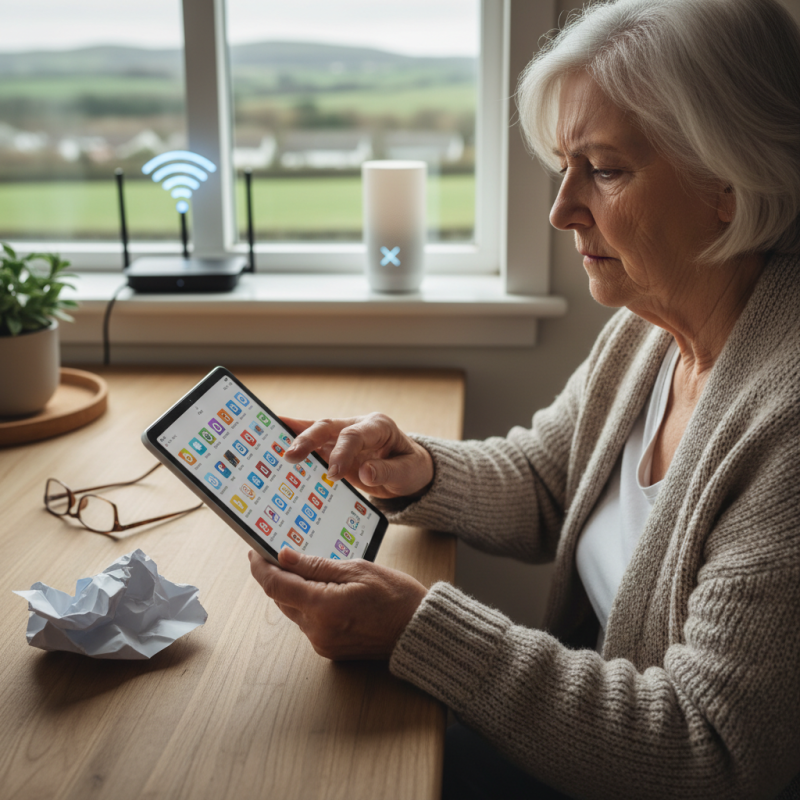
Many smart devices have complex interfaces that can confuse older users. Features designed for convenience might overwhelm them instead. For instance, voice recognition can struggle with various accents or speech patterns. Additionally, the reliance on internet connectivity can isolate those in rural areas, limiting device functionality.

The question remains: what are the limitations of senior smart devices? One major concern is the lack of personalized support. Seniors might find limited resources for troubleshooting their devices. This gap can lead to frustration and a lack of confidence. As we navigate a tech-driven world, recognizing these limitations helps create better solutions for seniors, ensuring they can enjoy the benefits technology offers.
How to Understand the Limitations of Senior Smart Devices?

Understanding the Evolution of Senior Smart Devices: An Overview

The evolution of senior smart devices has been remarkable over recent years. These technologies have adapted to the unique needs of older adults. From health monitoring to simplified interfaces, many features aim to enhance independence. However, the reality is that not all seniors are comfortable using these devices.

Some may struggle with technology due to cognitive limitations. Others might find complex interfaces frustrating. Even the best-designed devices can overwhelm users who aren’t tech-savvy. Customization options often lack adequate support, leaving many feeling isolated rather than empowered. It is essential to understand these challenges when developing new products.

Furthermore, privacy concerns can deter seniors from fully embracing technology. Many worry about data security and potential misuse of personal information. There is a need for devices that not only serve functional purposes but also prioritize user trust and understanding. Conversations around these topics remain critical as we move forward in creating intuitive and accessible technologies for the elderly.

Identifying Common Challenges: Usability and Accessibility Issues

Understanding the limitations of senior smart devices requires a closer look at usability and accessibility. Many seniors find these devices complex. Small text and intricate menus can deter them from using them effectively. Not all devices consider the unique needs of older users. Navigating touch screens may be challenging for those with diminished fine motor skills. Simple tasks become frustrating when interfaces do not accommodate varying levels of ability.

Accessibility issues often stem from the design of these devices. Some lack voice commands or screen readers that could support visually impaired users. Many seniors struggle with features that assume a certain level of tech-savvy. Complex instructions can lead to a sense of helplessness. It is essential for designers to engage with older adults when creating products. Gathering feedback directly from seniors can provide invaluable insights. Creating more user-friendly interfaces should be a priority for developers. After all, technology should empower, not alienate, older adults.

Analyzing the Impact of Cognitive Decline on Device Usage

Cognitive decline can significantly affect how seniors use smart devices. Many older adults may struggle with complex interfaces or features. This can lead to frustration and a decreased likelihood of using these devices effectively. For instance, a senior might find it challenging to remember passwords or navigate through various applications. Such cognitive challenges highlight the need for simplification in technology.

Designing better user experiences is crucial. Devices should have larger icons and straightforward instructions. An intuitive layout can help seniors feel less overwhelmed. Additionally, voice-activated features could greatly assist those with memory issues. However, there is still a gap in understanding how these devices can better serve this demographic.

Education and support play a vital role too. Families and caregivers need resources to help them assist seniors with technology. Regular training sessions can create a more comfortable environment for learning. However, many seniors might still resist engaging with new technologies. This reluctance underlines the importance of patience and encouragement in fostering digital literacy among older adults. Understanding these limitations is essential for creating devices that truly empower seniors.

Understanding the Impact of Cognitive Decline on Smart Device Usage

Evaluating the Role of Technical Support for Seniors

Technical support plays a critical role for seniors using smart devices. Many seniors face challenges with technology. Their comfort levels vary widely. Some find smartphones confusing. Others struggle with app installations or software updates. These hurdles can lead to frustration and disengagement.


Support systems must be tailored for seniors. Patience and understanding are key. Effective training sessions should be hands-on. Visual aids can make a significant impact. Simple language helps to foster understanding. Yet, often, support isn't readily available. This gap can prevent seniors from fully benefiting from their devices.


Moreover, not all seniors have access to tech-savvy friends or family members. This creates a barrier to learning. Regular Q&A sessions can bridge this gap. Community centers can host workshops. These settings encourage social interaction and learning simultaneously. Creating a friendly environment makes a difference. It helps in alleviating anxiety around technology.


Mobile assistance programs can also be considered. Such efforts ensure seniors feel valued and connected in a digital world.

Exploring Privacy and Security Concerns in Senior Smart Technologies

When exploring senior smart technologies, privacy and security concerns emerge as significant issues. Many seniors rely on devices that offer convenience, but this often comes at a cost. Personal information can be vulnerable to unauthorized access. It is key to understand how data is collected and used by these devices. Seniors may not always be aware of the risks involved.

Security features are imperative. However, not all technologies provide adequate protection. Weak passwords and unencrypted data make devices easy targets for cybercriminals. Seniors might feel overwhelmed and may not know how to strengthen their security. There is a need for better education on safe usage practices.

Moreover, the perception of privacy varies greatly among individuals. Some seniors may trust smart devices blindly, while others are more skeptical. Addressing these concerns requires a balanced approach. Companies should prioritize transparency regarding user data. Seniors should be encouraged to question how their information is protected. Open discussions about these issues can help bridge the knowledge gap.

FAQS

: How does cognitive decline affect seniors' use of smart devices?

: Cognitive decline can make it difficult for seniors to use complex interfaces, leading to frustration.

What features can help seniors use technology more easily?

Devices should have larger icons and simple instructions to ease usability for seniors.

Why is education important for seniors in using technology?

Education helps seniors feel comfortable with new tech. Training sessions can facilitate learning.

What challenges do seniors face when it comes to digital literacy?

Many seniors resist engaging with technology, highlighting the need for patience and support.

What are the main privacy concerns for seniors using smart devices?

Seniors may not be aware of data vulnerabilities and risks associated with their personal information.

How can seniors improve their device security?

Seniors should learn about secure practices, like using strong passwords and avoiding unencrypted data.

Do all smart devices offer adequate security measures?

No, not all devices provide sufficient protection against cyber threats, leaving seniors at risk.

How does trust in technology vary among seniors?

Some seniors may trust devices completely, while others are skeptical about privacy and security.

What role does transparency play in technology use for seniors?

Companies should be transparent about how user data is collected and used to build trust.

How important is it to discuss privacy concerns with seniors?

Open discussions can help seniors understand the risks and encourage them to protect their information.

Conclusion

The article "How to Understand the Limitations of Senior Smart Devices?" provides a comprehensive overview of the evolution and challenges associated with smart devices designed for seniors. It first explores how these devices have developed to cater to older adults, followed by identifying common usability and accessibility issues that hinder their effectiveness. Additionally, the article addresses the significant impact of cognitive decline on device usage, indicating that many seniors struggle with adapting to complex technology.

Furthermore, it evaluates the critical role of technical support in aiding seniors to navigate these devices effectively. Privacy and security concerns are also highlighted, emphasizing the need for robust measures to protect users. Ultimately, the article seeks to answer what are the limitations of senior smart devices by examining these multifaceted issues, guiding stakeholders to better support this demographic.

Sophia

Sophia

Sophia is a dedicated marketing professional with an exceptional depth of knowledge about her company's products and services. With a keen understanding of market trends and customer needs, she crafts insightful blog posts that not only inform but also engage readers, enriching the company’s online......