Monitoring heart rate at home is essential for seniors. Understanding how to monitor heart rate for seniors at home can empower individuals to maintain their health. A regular check of one's heart rate can help detect issues early and promote peace of mind.
Many seniors may not have easy access to healthcare professionals. Thus, they need simple methods to track their heart rate. Technology can assist, but it does not have to be complex. Basic tools like smartwatches, mobile apps, and manual methods can be effective.
For instance, using a digital pulse oximeter is straightforward and reliable. However, some might struggle to use it correctly. Personal experiences can vary. Individuals may find different methods more comfortable. Ultimately, the goal is to ensure that seniors feel confident and informed about their heart health.
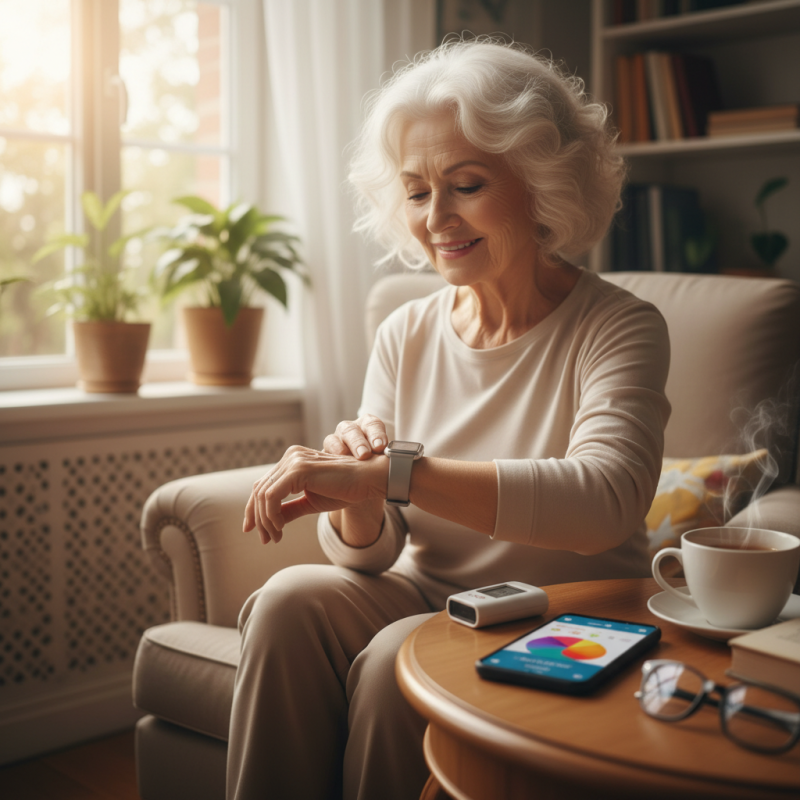
Monitoring heart rate at home can be crucial for seniors' health. Simple tools make this process accessible and effective. Using a heart rate monitor is a reliable way to measure beats per minute. These devices are easy to wear and provide immediate feedback. Seniors can use them while resting or during light exercise.
Another useful tool is a smartwatch. Many modern models track heart rate continuously. This allows for monitoring throughout the day. Seniors can see how their heart responds to different activities. Keeping an eye on this data can help in understanding their health better.
Smartphone apps can also assist in heart rate monitoring. Some apps record heart rates using the phone's camera. This method is quick and user-friendly. However, accuracy can vary, which makes double-checking with other methods a good practice. It’s important for seniors to choose tools that fit their lifestyle.
Regular monitoring is key, but results may vary day to day. Reflecting on these changes can help seniors communicate better with their healthcare providers.
Monitoring heart rate is essential for seniors. A normal resting heart rate for older adults typically ranges from 60 to 100 beats per minute. Understanding these numbers can prevent serious health issues. Research shows that nearly 45% of seniors with heart disease face complications due to irregular heart rates.
Home monitoring tools have become accessible and beneficial. Devices like heart rate monitors or smartwatches can provide real-time data. Awareness of changes can help in timely interventions. A study revealed that 70% of seniors found these tools easy to use. However, many still feel unsure about interpreting the data. It's important to seek professional advice whenever unclear.
Routine checks can be crucial. Seniors should ideally measure their heart rate daily, paying attention to variations. Factors such as stress, medication, and activity level can influence results. If there are significant fluctuations, consulting a healthcare provider is vital. The journey to heart health is personal and requires self-reflection. Understanding one's body is a crucial step.
Monitoring heart rate at home can provide valuable insights into your health. A heart rate monitor is a great tool for seniors. It can help you track your cardiovascular condition effectively. Here's how to use one step by step.
Begin by choosing a comfortable and quiet space. Sit down and relax for a few minutes. This helps to stabilize your heart rate. Next, prepare your heart rate monitor by placing the sensors on your wrist or chest. If using a wrist monitor, ensure it fits snugly but not too tight.
Once ready, follow the device instructions to start monitoring. Take a moment to breathe deeply. This aids in getting an accurate reading. Observe the numbers displayed on the screen. If they seem unusually high or low, take note. It’s essential to reflect on any symptoms felt during the measurement. Remember, consistent monitoring can reveal patterns over time. It can help you and your healthcare provider make informed decisions.
| Method | Description | Step-by-Step Instructions | Benefits |
|---|---|---|---|
| Wrist-Based Heart Rate Monitor | A device worn on the wrist to measure heart rate through optical sensors. | 1. Put on the wrist monitor. 2. Make sure it's snug but not too tight. 3. Open the app that syncs with the monitor to view your heart rate. |
Convenient and easy to use; provides continuous monitoring. |
| Chest Strap Monitor | A strap worn around the chest that measures heart rate through electrical signals. | 1. Wet the electrodes on the strap. 2. Put the strap around your chest and adjust it. 3. Connect to a compatible device or app to display heart rate. |
More accurate readings during exercise; suitable for high-intensity workouts. |
| Pulse Oximeter | A small device that clips on your finger to measure heart rate and oxygen saturation. | 1. Insert your finger into the device. 2. Wait for the reading to stabilize. 3. Read your heart rate displayed on the screen. |
Non-invasive and quick; useful for monitoring during respiratory issues. |
| Smartphone Apps | Apps that use the smartphone camera to detect heart rate by analyzing blood flow. | 1. Download a heart rate monitor app. 2. Place your finger over the camera lens. 3. Follow the app instructions to get your heart rate. |
Easy to access; integrates with other health monitoring features. |
| Manual Pulse Check | Using fingers to find pulse on wrist or neck and counting beats. | 1. Locate your pulse on your wrist or neck. 2. Count the beats for 30 seconds and multiply by 2. 3. Record your heart rate. |
No equipment needed; enhances awareness of your body. |
| Fitness Tracker | A wearable device that tracks physical activity and monitors heart rate. | 1. Charge and wear the fitness tracker. 2. Sync with the companion app. 3. View heart rate data on the app. |
Tracks overall activity; motivates to stay active. |
| Heart Rate Watch | Specialized watch that continuously monitors and displays heart rate. | 1. Put on the watch. 2. Turn on heart rate monitoring. 3. Check your heart rate on the display. |
Easy and straightforward; perfect for seniors. |
| Medical Alert Systems | Devices that monitor heart rate and signal emergencies. | 1. Set up the device according to instructions. 2. Wear the alert system. 3. The system monitors heart rate continuously. |
Provides peace of mind; can summon help if needed. |
| ECG Monitors | Portable devices that perform electrocardiograms for heart rate monitoring. | 1. Place the electrodes on your chest as instructed. 2. Start the ECG function. 3. Review the heart rate and rhythm on the screen. |
Highly accurate; useful for detecting irregular heartbeats. |
| Blood Pressure Monitors with Heart Rate Tracking | Blood pressure monitors that also provide heart rate readings. | 1. Wrap the cuff around your arm. 2. Start the measurement. 3. Read both blood pressure and heart rate from the display. |
Combines heart and blood pressure monitoring; convenient for daily checks. |
Maintaining a healthy heart rate is crucial for seniors. Engaging in simple daily habits can significantly benefit cardiovascular health. Regular physical activity, even light exercises like walking, can help keep the heart in shape. Aim for at least 30 minutes of moderate exercise most days. This can be broken down into shorter sessions. Stretching and breathing exercises also promote heart health.
Monitoring stress levels can help maintain a stable heart rate. Practices like deep breathing, meditation, or yoga can reduce stress. Seniors should find time in their day for these activities. Staying hydrated is often overlooked. Drinking enough water helps the heart pump more efficiently. Additionally, consuming a balanced diet contributes to heart health. Focus on whole foods, and limit sugar and salt intake.
Sleep patterns play a vital role, too. Lack of sleep can cause the heart rate to fluctuate. It's essential to establish a consistent sleep routine. Tracking heart rate with simple methods at home is beneficial. Listening to your body can provide insights. If something feels off, consider discussing it with a healthcare provider. Adopting these habits requires reflection and conscious effort.
Monitoring heart rate at home is crucial for seniors. It helps them gain insights into their cardiovascular health. However, it is equally important to know when to consult a doctor regarding heart rate readings. According to the American Heart Association, a resting heart rate between 60 to 100 beats per minute is considered normal. Abnormal readings can signify various health issues.
If a senior notices a consistently high heart rate, over 100 beats per minute, this could indicate a condition like tachycardia. They should seek medical advice promptly. Additionally, if someone's heart rate falls below 60 beats per minute, especially if accompanied by dizziness or fatigue, it's essential to consult a healthcare professional. The National Institutes of Health recommends that individuals with unusual heart patterns reach out to their doctors.
Seniors must also consider individual factors. For instance, medications can influence heart rates. A sudden change in heart rate could signify an adverse reaction. Air quality and emotional stress are other factors that may require medical consultation. Regular monitoring is vital, but it is critical to reflect on the context of any changes. Understanding when to seek help is just as important as knowing how to monitor heart health.
This bar chart displays the average resting heart rate for seniors across different age groups. Monitoring heart rate can help in understanding overall heart health and determining when to consult a doctor.
: It helps track cardiovascular health and informs healthcare decisions.
Heart rate monitors, smartwatches, and smartphone apps are effective options.
They measure beats per minute and provide immediate feedback.
They should select tools that fit their lifestyle and preferences.
At least 30 minutes of moderate exercise is recommended.
Deep breathing, meditation, and yoga are beneficial practices.
Yes, proper hydration helps the heart pump efficiently.
A balanced diet, focusing on whole foods, supports heart health.
Poor sleep can cause fluctuations in heart rate; consistent routines help.
They should discuss any concerns with a healthcare provider for guidance.
Monitoring heart rate is essential for seniors to maintain their health, and there are several effective methods to do so at home. First, understanding the basic tools and technologies available, such as heart rate monitors, smartwatches, and smartphone apps, is crucial. Seniors should familiarize themselves with how to monitor heart rate for seniors at home by following a simple step-by-step guide on setting up and using these devices.
Additionally, adopting daily habits, such as regular physical activity and balanced nutrition, can help maintain healthy heart rate levels. It's also important for seniors to recognize when abnormal readings may warrant a consultation with a healthcare professional. By equipping themselves with knowledge and utilizing the right tools, seniors can effectively manage their heart health from the comfort of their own homes.

TC Health