10 Tips on How to Improve Independence for Elderly People

Time:2026-09-20 Author:Madeline
0%

Growing older should not mean surrendering everyday choices. Independence includes deciding when to bathe, preparing breakfast, managing medication, and calling a friend without unnecessary help. The World Health Organization projects that one in six people worldwide will be aged 60 or older by 2030. Its Decade of Healthy Ageing framework emphasizes functional ability, supportive environments, and person-centered care. These priorities shape how to improve independence for elderly people safely and realistically.

The numbers make prevention practical, not cosmetic. The U.S. Centers for Disease Control and Prevention reports that more than one in four older adults falls each year. A loose rug, dim hallway, or missing bathroom grab bar can change a person’s routine overnight. Simple home assessments, strength exercises, vision checks, and clear medication schedules can reduce avoidable barriers. Small adjustments matter.

Home remains important. A 2021 AARP Home and Community Preferences Survey found that 77% of adults aged 50 and older want to remain in their current home as long as possible. Yet wanting to stay home does not always mean living alone. Family members, occupational therapists, nurses, and community services can support safer decisions. The best plan may include a shower chair, labeled cupboards, a weekly transport booking, and an emergency contact card near the telephone. It is not perfect. Personal preferences, finances, culture, and changing health can complicate every recommendation. Independence should therefore be reviewed regularly, with the older person leading the conversation. That distinction is easy to miss.
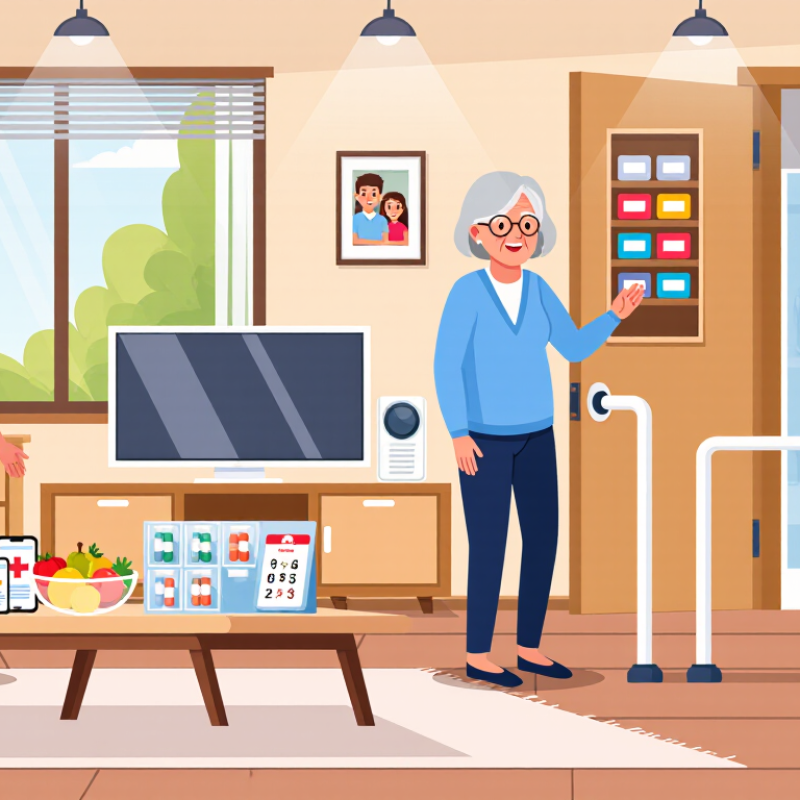
10 Tips on How to Improve Independence for Elderly People

Assess Current Abilities and Set Practical Independence Goals

Independence begins with an honest assessment, not wishful thinking. Watch how an older adult manages bathing, dressing, cooking, medication, and stairs. These daily activities reveal practical strengths and risks. The National Institute on Aging recommends reviewing both activities of daily living and instrumental activities of daily living. Ask what feels difficult. Listen without taking over.

Tip: Create a simple ability map. Mark each task as independent, supported, or unsafe. Include details, such as needing a shower chair or resting after five minutes of walking. A licensed occupational therapist can provide a structured evaluation. Family observations help, but they can also be biased. I have seen relatives underestimate ability because they fear falls.

Set one measurable goal at a time. “Walk more” is vague. “Walk to the mailbox with a cane, three days weekly” is clearer. The Centers for Disease Control and Prevention reports that more than one in four adults aged 65 and older fall each year. Therefore, goals should protect safety while building confidence. Check footwear, lighting, balance, and medication side effects with a healthcare professional.

Tip: Review progress weekly. If cooking independently causes repeated burns, adjust the task rather than abandoning independence. Use lighter pans, seated preparation, or supervision nearby. Progress may look uneven. That is normal. A practical goal should feel challenging, but still achievable. Reassess after illness, hospitalization, or a change in mobility. Small evidence-based adjustments can preserve choice, dignity, and daily control.

Make the Home Safer and Easier to Navigate

Independence often begins with a home that feels predictable. A safer home reduces hesitation, falls, and unnecessary calls for help. During home safety assessments, occupational therapists examine how a person walks, reaches, turns, and rests. Clear walkways matter. Remove loose rugs, electrical cords, and small stools from busy routes. Keep daily items between waist and shoulder height. This sounds obvious, yet crowded rooms remain a common hazard.

Use bright, even lighting near entrances, stairs, bathrooms, and the bedroom. Motion-sensitive lights can help during nighttime trips. Place a small light beside the bed, not across the room. Stairs need secure handrails on both sides when possible. Mark the edge of each step with a strong contrast. Avoid shiny floors that create glare. A common mistake is adding too much furniture for support. Unstable chairs may slide when someone leans on them.

Bathrooms deserve careful attention. Install firmly attached grab bars near the toilet and bathing area. A non-slip floor and a stable shower seat can reduce strain. Keep soap, towels, and clothing within easy reach. In the kitchen, store heavy pans below shoulder level and remove clutter from the counter. Ask the older person to test each change. They may dislike a useful adjustment. That reaction matters. It is easy to overcorrect and make a home feel institutional. Safety should support personal habits, dignity, and reasonable choice.

Build Daily Routines for Self-Care and Household Tasks

Independence grows when everyday tasks feel familiar, manageable, and safe. Create a simple morning routine around waking, washing, dressing, eating, and taking prescribed medicines. Keep these activities in the same order each day. Place clothing, toiletries, and breakfast items within easy reach. A large-print checklist near the kitchen table can reduce confusion. Small choices matter. Let the older adult choose a shirt, breakfast, or bathing time whenever possible.

Household work can support confidence without creating unnecessary risk. Divide laundry, meal preparation, tidying, and plant care into short activities. Use lightweight containers and store frequently used items between waist and shoulder height. An older adult might fold towels while seated, rinse vegetables, or match socks. Avoid tasks involving ladders, slippery floors, or heavy lifting. An occupational therapist can assess movement, balance, and home hazards, then recommend safer methods. That advice can prevent avoidable setbacks.

Routines should remain flexible. Some mornings will not follow the plan. That is normal. Fatigue, pain, poor sleep, or mood changes may affect performance. Track which tasks feel difficult and when problems appear. Review the routine every few weeks with the older adult, family caregiver, and healthcare professional. A missed task should invite adjustment, not criticism. Praise effort, but do not take over too quickly. Support should preserve dignity while allowing enough time for safe practice.

Use Assistive Tools, Technology, and Community Resources

10 Tips on How to Improve Independence for Elderly People

Small changes can make daily tasks safer and less tiring. A sturdy grab bar near the shower may prevent a dangerous reach. Raised toilet seats can reduce knee strain. A wheeled walker may help someone cross a hallway without holding furniture. Small changes matter.

Choose tools after observing real routines. A long-handled reacher can pick up socks from the floor. Non-slip mats may steady a cutting board or bathroom step. However, an assistive device must fit the person’s height, strength, and balance. Ask before buying. An occupational therapist can assess the home and suggest safer adjustments. I have seen families choose complicated equipment that later stays unused. Simpler tools often work better.

Technology can support independence without replacing human contact. Medication reminders, emergency call devices, and motion-sensitive lights can reduce avoidable risks. Large text and clear voice controls help people with limited vision or hand movement. A family member should practice the system with the older adult, then check whether it feels comfortable. Community resources also matter. Local senior centers may offer transportation, exercise classes, meal services, or home-repair referrals. Libraries and clinics sometimes provide technology training. Services vary by location, and waiting lists can be frustrating. Asking a social worker, healthcare professional, or community coordinator may uncover practical help. Independence does not mean managing everything alone.

10 Tips on How to Improve Independence for Elderly People - Use Assistive Tools, Technology, and Community Resources
Practical planning guide based on widely used healthy-aging, fall-prevention, accessibility, and community-support recommendations.
No. Independence Goal Recommended Action Assistive Tools Technology Support Community Resources Practical Progress Measure
1 Improve safe movement
  • Remove loose rugs, clutter, and poorly placed electrical cords.
  • Keep frequently used items between waist and shoulder height.
  • Use stable handholds on stairs and in bathrooms.
  • Grab bars
  • Non-slip bathroom surfaces
  • Handrails on both sides of stairs where practical
  • Motion-activated night lighting
  • Emergency call button or fall-alert device
  • Home-safety assessment by an occupational therapist
  • Local fall-prevention classes
Complete a home safety checklist and record hazards corrected each month.
2 Build strength and balance
  • Practice strength, balance, and flexibility activities suited to current ability.
  • Begin gradually and stop if pain, dizziness, or unusual shortness of breath occurs.
  • Supportive footwear
  • Exercise chair
  • Resistance bands
  • Video-guided exercise sessions
  • Step counter or activity tracker
  • Senior exercise groups
  • Supervised physiotherapy or community fitness sessions
Work toward the public-health benchmark of at least 150 minutes of moderate activity per week, when medically appropriate, plus muscle-strengthening activities on 2 or more days weekly.
3 Make walking more reliable
  • Ask a healthcare professional to check walking pattern and mobility needs.
  • Use the correct walking aid height and technique.
  • Replace worn rubber tips promptly.
  • Cane
  • Walker or rollator
  • Wheelchair for longer distances when indicated
  • Digital route maps with accessible-path options
  • Location-sharing during unfamiliar trips
  • Mobility-aid training
  • Accessible transportation services
Track the distance or number of errands completed safely without unnecessary assistance.
4 Manage medicines safely
  • Keep one current medication list with names, doses, and schedules.
  • Review prescription and non-prescription medicines with a pharmacist or clinician.
  • Do not change doses without professional advice.
  • Weekly pill organizer
  • Large-print medication chart
  • Timed medication reminders
  • Digital refill calendar
  • Medication review service
  • Home-care support when medication handling is difficult
Record missed or duplicated doses and aim for a complete, updated medication list at every care visit.
5 Support vision and hearing
  • Arrange regular vision and hearing checks.
  • Improve lighting and reduce glare in reading and walking areas.
  • Keep glasses and hearing devices clean and easy to locate.
  • Magnifying glass
  • High-contrast labels
  • Hearing-assistance devices
  • Screen magnification
  • Text-to-speech and live-caption functions
  • Low-cost vision and hearing screening programs
  • Library accessibility services
Check whether the person can read essential labels, hear alarms, and communicate comfortably in common settings.
6 Make daily tasks easier
  • Break complex tasks into smaller steps.
  • Store supplies at reachable heights.
  • Choose lightweight equipment with easy-to-grip handles.
  • Reacher tool
  • Jar and bottle openers
  • Long-handled dressing aid
  • Shower chair
  • Voice-controlled timers
  • Digital shopping lists
  • Online appointment scheduling
  • Occupational-therapy consultation
  • Meal delivery or home-help programs
Count the number of essential activities completed independently, such as dressing, preparing food, or bathing.
7 Use transportation confidently
  • Plan routes, rest points, weather conditions, and accessible entrances before leaving home.
  • Carry identification, emergency contacts, and essential medication information.
  • Folding walking aid
  • Lightweight bag with reflective strip
  • Portable seat cushion
  • Public-transport trip planner
  • GPS navigation with location sharing
  • Demand-responsive transport
  • Accessible community shuttles
  • Travel-training programs
Record essential trips completed per week and whether assistance was needed for each stage of the journey.
8 Stay connected and reduce isolation
  • Schedule regular contact with family, friends, neighbors, or volunteers.
  • Choose activities that match interests, energy, hearing, and mobility needs.
  • Large-button telephone
  • Amplified handset
  • Address book with large print
  • Video calls
  • Shared digital calendar
  • Emergency contact list
  • Senior centers
  • Libraries and recreation programs
  • Volunteer visitor services
Set a weekly target for meaningful social contacts and review participation every four weeks.
9 Improve food and household support
  • Plan simple, nutritious meals and keep frequently used foods accessible.
  • Use smaller, manageable containers and avoid climbing on chairs or stools.
  • Arrange help for heavy cleaning, laundry, or repairs.
  • Lightweight cookware
  • Electric kettle with automatic shut-off
  • Rolling cart
  • Grocery delivery or online ordering
  • Appliance timers and automatic shut-off features
  • Community meal programs
  • Grocery assistance
  • Home-maintenance services
Monitor whether meals, groceries, laundry, and essential household tasks are completed consistently each week.
10 Prepare for emergencies
  • Write an emergency plan with contacts, medical information, evacuation routes, and preferred care instructions.
  • Keep a charged phone, flashlight, water, and essential supplies in an accessible location.
  • Practice the plan with a trusted person.
  • Personal alarm
  • Large-print emergency card
  • Battery-powered flashlight
  • Emergency alerts
  • Automatic check-in reminders
  • Video or voice communication
  • Local emergency registration
  • Community disaster-preparedness programs
  • Neighbor check-in networks
Review the plan at least twice a year and after changes in health, medication, mobility, or living arrangements.

Support Health, Confidence, and Ongoing Progress

Independence in later life grows through small, repeatable choices.

A daily walk, even around the hallway, supports strength and confidence. Gentle resistance exercises can protect muscle, while balance practice near a sturdy chair reduces fear of falling.

Keep medicines in a simple routine, and ask a pharmacist or clinician to review possible side effects.

Regular meals with protein, vegetables, and enough water help maintain energy. Sleep also matters, although perfect sleep is not always realistic.

A safer home can make progress easier.

Remove loose rugs, improve lighting, and place frequently used items within easy reach. An occupational therapist can suggest suitable rails or walking aids after assessing movement and home risks.

Encourage one meaningful task each day, such as preparing breakfast, calling a friend, or managing a small payment.

Record effort, not only results.

A calendar with simple marks can show progress during difficult weeks.

Confidence often follows action, not the other way around.

Family members should offer support without taking over every task. This balance is difficult. I have seen well-meaning help weaken confidence when it arrives too quickly.

Adjust goals after pain, illness, or fatigue, and seek professional advice when symptoms change. Progress may be uneven, but steady practice keeps the door open.

FAQS

How can a simple routine support an older adult’s independence?

Keep waking, washing, dressing, eating, and prescribed medicines in the same order. Place clothing and toiletries within easy reach. A large-print checklist near the kitchen table can reduce confusion. Small choices matter. Let the person choose a shirt or breakfast when possible.

Which household tasks are usually safer to practise?

Short tasks can build confidence without causing unnecessary strain. Folding towels while seated, matching socks, rinsing vegetables, and watering plants are practical options. Use lightweight containers. Keep common items between waist and shoulder height. Avoid ladders, slippery floors, and heavy lifting.

When should an occupational therapist assess the home?

Consider an assessment when balance, movement, or home hazards create concern. The therapist may suggest safer methods, rails, or walking aids. They can watch real routines instead of guessing. That detail matters. Professional advice may prevent avoidable setbacks.

How should families respond when a routine is missed?

A missed task should invite adjustment, not criticism. Fatigue, pain, poor sleep, or mood changes may explain the difficulty. Track when problems appear. Review the routine every few weeks. Do not take over too quickly.

What should families consider before buying assistive equipment?

Observe the person’s actual routine before choosing a device. A reacher may collect socks from the floor. A non-slip mat may steady a cutting board. The tool must suit height, strength, and balance. Complicated equipment may sit unused. Simpler is sometimes better.

How can technology support independence without replacing personal contact?

Medication reminders, emergency call devices, and motion-sensitive lights can reduce avoidable risks. Large text and clear voice controls may help people with limited vision or hand movement. Practise the system together. Check whether it feels comfortable. Technology helps, but it cannot notice every change.

What health habits can help maintain confidence and daily ability?

A short walk, even along a hallway, can support strength and confidence. Gentle resistance exercises may protect muscle. Practise balance near a sturdy chair. Regular meals, protein, vegetables, water, and adequate sleep support energy. Perfect sleep is not always realistic.

How can families measure progress without creating pressure?

Record effort, not only completed results. A calendar with simple marks can show progress during difficult weeks. Encourage one meaningful task daily, such as preparing breakfast or calling a friend. Goals may need adjustment after pain, illness, or fatigue. Progress is uneven. That is normal.

Conclusion

Improving independence in later life begins with understanding each person’s current abilities, preferences, and challenges. The best approach to how to improve independence for elderly people is to set practical, personalized goals that encourage participation without creating unnecessary risk. A safer home can make a major difference: clear walkways, good lighting, accessible storage, and thoughtfully arranged furniture can help older adults move around with greater confidence. Consistent daily routines for dressing, bathing, preparing meals, managing household tasks, and resting can also support self-care and a sense of control.

Appropriate assistive tools, simple technology, and local community resources may make everyday activities easier while maintaining dignity. Independence is also strengthened by supporting physical health, emotional well-being, social connection, and confidence. Families and caregivers should offer guidance when needed, while allowing older adults enough time and choice to complete tasks themselves. Regularly reviewing progress and adjusting goals helps ensure that independence develops safely and remains meaningful over time.

Madeline

Madeline

Madeline is a dedicated marketing professional with a wealth of expertise in our company's core offerings. With a keen understanding of the industry, she brings a unique perspective to her role, consistently delivering high-quality content that highlights the superior aspects of our products. As......