China Top 10 Smartwatch vs Medical Alert Device Differences

Time:2026-09-30 Author:Amelia
0%

Choosing between a smartwatch and a medical alert device depends on what support you need each day. Smartwatches commonly combine notifications, activity tracking, and selected health measurements. Medical alert devices focus more directly on calling for help, often through a button or an automatic alert feature. The key question is “what is the difference between smartwatch and medical alert device” in practical use: one is typically a multipurpose wearable, while the other is built around access to assistance. No device is perfect.

This China-focused top 10 comparison looks beyond appearance and price. It considers connection options, battery life, water resistance, comfort, fall-detection features, and whether an emergency response service is available. A bright touchscreen may be convenient at home, but a small button can be easier to find during a fall. Details matter. Features and service coverage can vary by model, seller, and region, so check the current specifications before buying.

Health readings can help users notice patterns, but they are not a medical diagnosis. Likewise, fall detection and emergency calling may depend on settings, network access, and a charged device. A wearable that works well for a confident phone user may not suit someone who needs simple, dependable assistance. Think about the wearer’s routine, dexterity, hearing, and who should receive an alert. The comparison aims to clarify those trade-offs, while recognizing that choosing a device often involves compromise.
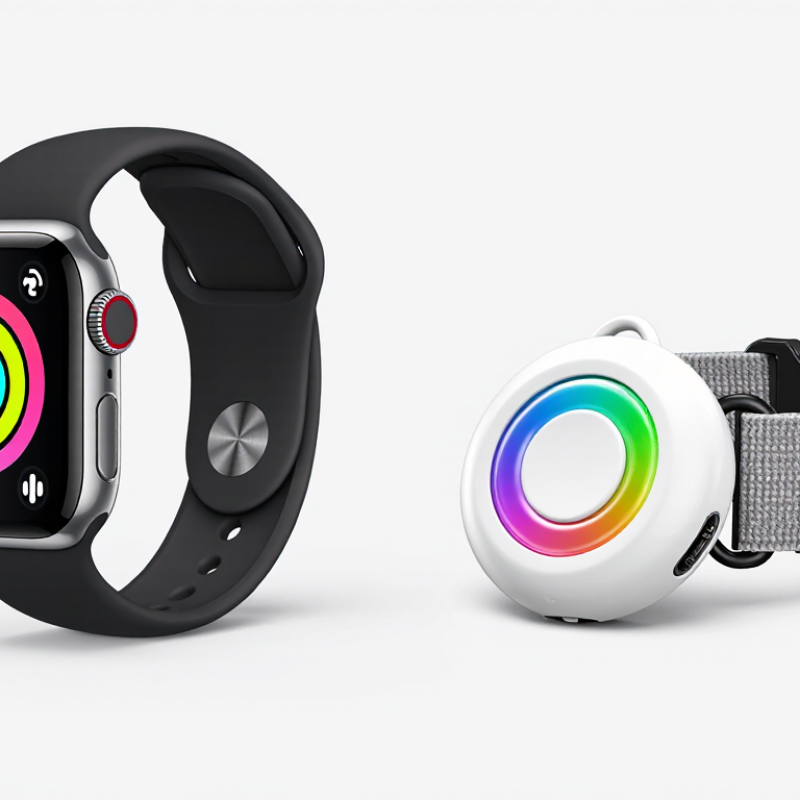
China Top 10 Smartwatch vs Medical Alert Device Differences

How Smartwatches and Medical Alert Devices Are Defined in China

In China, a smartwatch is generally understood as a consumer wearable with timekeeping, communication, fitness, and basic health-monitoring functions. It may track heart rate, sleep, steps, or blood oxygen. These readings can support personal awareness, but they do not automatically provide medical conclusions. A medical alert device has a different purpose. It is designed to help older adults, people living alone, or users at risk respond during emergencies. Common functions include an SOS button, fall detection, voice communication, location sharing, and connection to family or service staff.

The boundary is not always clean. A smartwatch may include emergency calling, while a medical alert device may show health data. Still, the intended user, response process, and service support usually reveal the difference. In China, product descriptions and health-related claims should be reviewed carefully. Classification may depend on the device’s functions, intended use, software, and stated benefits. A polished screen does not prove medical reliability. Nor does a medical-looking design guarantee fast assistance. Testing signal strength indoors, checking battery life, and verifying the emergency response process are practical steps.

Tips: Ask who receives an alert, how quickly they respond, and whether location works inside buildings. Check whether readings are for reference only. Keep instructions simple. Real users may press the wrong button, forget charging, or misunderstand an alert. These small failures deserve more attention than attractive specifications.

Which Core Features Distinguish the Two Device Types

China’s top smartwatches and medical alert devices may share GPS, sensors, and wireless connectivity. Their core purposes remain different. A smartwatch usually tracks steps, heart rate, sleep, notifications, and sometimes ECG signals. A medical alert device prioritizes rapid assistance during emergencies. It often includes a dedicated SOS button, two-way voice communication, cellular coverage, and optional professional monitoring.

The difference becomes clear during a fall. A smartwatch may detect unusual movement, but it could require confirmation through a screen. A medical alert device can connect the user directly with a response center. The CDC reports that more than one in four adults aged 65 and older falls each year. The WHO also estimates that falls cause about 684,000 deaths globally each year. These figures make response speed more important than attractive interfaces.

Location performance also varies. Smartwatches often depend on smartphone pairing, app permissions, or regular charging. Medical alert devices usually combine cellular communication with GPS or Wi-Fi location support. Battery life matters. A dead device is no protection. The FDA warns that consumer wellness features should not be treated as medical diagnosis. This distinction is easy to overlook. Buyers should test indoor coverage, audio clarity, fall detection settings, and emergency procedures in real conditions. No device detects every fall reliably. That limitation deserves more attention.

China Top 10 Smartwatch vs Medical Alert Device Differences

This chart compares the typical core-feature emphasis of mainstream smartwatches and dedicated medical alert devices. Scores use a 0–5 scale, where 5 means the feature is central to the device category. Individual models may vary.

Smartwatches generally prioritize wellness tracking, notifications, apps, and multifunctional connectivity. Medical alert devices are designed primarily for rapid emergency communication, fall response, location sharing, and dependable operation for older adults or people at elevated health risk.

How Emergency Detection and Response Systems Compare

China’s top 10 smartwatches often combine health tracking, messaging, location sharing, and emergency detection. Their strength is convenience. A user can press the side button while walking outside, or speak during a sudden fall. Some models also detect unusual movement, but this feature may miss a slow collapse or trigger during exercise.

Medical alert devices usually focus on one job: connecting a person with help. A pendant, wrist button, or home base station can contact trained responders or selected caregivers. Many systems provide louder two-way voice communication than a watch. They may also work with dedicated cellular connections, which can be useful when a phone is unavailable. However, coverage, battery life, subscription terms, and response procedures require careful checking.

Smartwatches suit active users who want several daily functions. Medical alert devices may better serve older adults living alone or people with higher emergency risks. Neither device replaces professional medical assessment. A watch can record heart-rate changes, yet it cannot confirm a heart attack. A medical alert unit can summon assistance, but only when it is worn, charged, and connected.

Real homes are messier. A user may leave the watch on a kitchen counter. A pendant may be forgotten after a shower. I would test fall alerts, indoor range, speaker volume, and caregiver response before trusting either system. False alarms are inconvenient, but missed emergencies matter more.

How Wearability, Connectivity, and Daily Use Differ

Comparing China’s top ten smartwatches with medical alert devices starts with a practical question: what must the wearer do daily? Smartwatches usually resemble slim wrist accessories. They track steps, heart rate, sleep, and notifications. Their screens invite frequent interaction. Medical alert devices are more task-focused. Many use a pendant, wrist button, or compact clip. A large button can matter when hands shake, vision is poor, or panic interrupts judgment. Small detail, big consequence.

Connectivity creates a sharper difference. A smartwatch may depend on a paired phone, Bluetooth, Wi-Fi, or cellular service. Emergency features can vary with software, location, battery level, and subscription settings. A medical alert device is generally designed around rapid help requests. Some connect to a monitored response center, while others contact selected family members. GPS can support outdoor location, but it is not perfect inside concrete buildings. Test the signal where the user lives. I would not treat a fall-detection claim as a guarantee.

Daily use exposes the trade-offs. Smartwatches offer broader health feedback, but charging may be frequent. Their menus can also distract older users. Medical alert devices often last longer between charges and require fewer decisions. However, a dedicated device may feel awkward during dinner, showers, or sleep. Comfort determines whether it stays on the body. That lesson is easy to miss. Observe the wearer for a week. Note missed alerts, charging habits, skin comfort, and whether help can be reached without a phone.

China Top 10 Smartwatch vs Medical Alert Device Differences - How Wearability, Connectivity, and Daily Use Differ

Comparison Dimension Smartwatch Medical Alert Device Practical Difference in Daily Use
Primary Purpose Designed mainly for notifications, activity tracking, communication, and general wellness features. Designed primarily to provide rapid access to emergency assistance during a fall, illness, or other urgent situation. A smartwatch is a multipurpose consumer device, while a medical alert device is centered on personal safety and emergency response.
Wearability Usually worn on the wrist and often has a color display, touch controls, and interchangeable bands. May be worn on the wrist, around the neck, clipped to clothing, or carried as a small pendant. Medical alert products offer more placement choices for users who do not regularly wear a watch.
Emergency Calling Some models can call emergency contacts or emergency services, but this depends on the model, phone pairing, cellular service, and regional support. Typically includes a dedicated help button that connects the user with a monitoring center, emergency contacts, or local emergency services, depending on the service plan. A medical alert device generally provides a more direct and purpose-built emergency pathway.
Connectivity Commonly uses Bluetooth with a smartphone; selected models also support Wi-Fi or built-in cellular connectivity. Many mobile units use a built-in cellular connection, while home units may use a base station connected through cellular or broadband networks. A smartwatch may lose important functions when separated from its phone, whereas a cellular medical alert unit can often work independently.
Fall Detection Some models use motion sensors to detect possible hard falls and may offer an option to contact emergency services. Many systems offer automatic fall detection as an optional feature, but no fall-detection system can identify every fall accurately. Both device types may support fall detection; users should still be able to press the help button when they can do so.
Health Monitoring May track steps, heart rate, sleep, workouts, blood oxygen estimates, or other wellness metrics, depending on the model. Usually focuses less on continuous wellness tracking and more on the emergency button, two-way communication, location, and response support. Smartwatches provide broader personal health data, but these measurements are generally not a substitute for clinical diagnosis.
Battery and Charging Often requires charging every day or every few days, depending on screen use, sensors, GPS, and cellular functions. Many units are designed for longer standby periods, although battery life varies with cellular use, location tracking, and device design. A medical alert device may reduce charging frequency, but it still requires regular battery checks and charging.
User Interaction Usually requires navigating menus, viewing notifications, managing apps, and sometimes operating a paired smartphone. Often uses a large, clearly marked help button and simple voice communication to reduce the number of steps during an emergency. Medical alert devices are generally easier to operate under stress or for users with limited technical experience.
Location Services GPS may support route recording, exercise tracking, location sharing, or emergency location features on supported models. Mobile units may use GPS, Wi-Fi, or cellular location data to help responders locate the wearer outdoors; indoor accuracy can vary. Both can assist with location, but availability and accuracy depend on signal coverage, device settings, and the surrounding environment.
Monitoring and Service Fees The device may work without a monitoring subscription, although cellular, cloud, or premium features can require additional fees. Professional monitoring, cellular connectivity, equipment rental, or fall-detection services commonly involve a recurring service charge. A smartwatch can have lower ongoing costs, while a medical alert system may include paid access to trained emergency support.
Best-Fit User and Scenario Suitable for users who want communication, fitness tracking, notifications, and optional safety tools in one device. Suitable for older adults, people living alone, or users with elevated fall or emergency-response concerns who prioritize simple assistance access. The better choice depends on whether the priority is broad everyday functionality or reliable, dedicated emergency support.

Note: Features, cellular coverage, emergency-call availability, fall-detection performance, battery life, and service requirements vary by device model, network, country, and service provider. Health-monitoring features should not be treated as a replacement for professional medical advice.

How to Compare China’s Top 10 Smartwatch and Medical Alert Devices

Comparing China’s top 10 smartwatch and medical alert devices requires more than checking screen size or price. IDC’s Worldwide Quarterly Wearable Device Tracker recorded 520.7 million wearable shipments globally in 2023. However, shipment volume does not prove medical reliability. A smartwatch may offer heart-rate tracking, GPS, sleep data, and exercise alerts. A medical alert device focuses on emergency response, including a large SOS button, automatic fall detection, two-way voice, and trained monitoring support.

The World Health Organization reports about 684,000 fatal falls each year, with adults over 60 facing the greatest risk. This makes response speed important. Review each device indoors and outdoors. Test the SOS button with weak cellular coverage. Check whether fall detection works after a slow collapse, not only a dramatic impact. Battery life also matters; a device lasting three days may fail during charging. Water resistance, strap comfort, location accuracy, and caregiver notifications deserve equal attention. A neat ranking can still mislead.

Tips: Create a simple scorecard for emergency response, battery endurance, GPS accuracy, false alarms, and setup difficulty. Ask whether the device connects to a real monitoring service or only sends app notifications. Read technical specifications and independent test results together. Medical claims need caution. Consumer sensors are useful, but they are not automatically clinical instruments.

FAQS

How do smartwatches and medical alert devices differ?

Smartwatches combine health tracking, messages, location, and emergency features. Medical alert devices focus mainly on reaching help quickly. One does many things. The other stays focused.

Which device suits an older adult living alone?

A medical alert device may suit someone facing higher emergency risks. Its large button can help during shaking, poor vision, or panic. Comfort still matters.

Can a smartwatch detect every fall?

No. It may miss a slow collapse or activate during exercise. Test alerts at home before trusting the feature.

Does emergency detection work without a phone?

It depends on the device. Some watches need Bluetooth, Wi-Fi, or a paired phone. Other devices use dedicated cellular connections. Check coverage carefully.

What should users test before relying on either device?

Test the SOS button, fall detection, indoor range, speaker volume, and caregiver response. Try weak signal areas. Real homes are messy.

How important are battery life and charging habits?

They are critical. A device lasting three days may fail during charging. Observe whether the wearer leaves it on a counter.

Can GPS locate someone inside a building?

GPS can support outdoor location, but concrete walls may reduce accuracy indoors. Test the device in the user’s actual home.

Do health sensors confirm a medical emergency?

No. Heart-rate data can show changes, but it cannot confirm a heart attack. Professional medical assessment remains necessary.

How can families compare different devices fairly?

Use a scorecard covering response speed, battery life, GPS accuracy, false alarms, comfort, and setup difficulty. Price alone tells little.

What common mistake should caregivers watch for?

People may forget pendants after showers or remove watches during sleep. Observe use for one week. The result may challenge your assumptions.

Conclusion

China’s smartwatches and medical alert devices serve different primary purposes, although both may support health and safety. A smartwatch is generally designed for everyday digital life, combining timekeeping, fitness tracking, communication, notifications, and selected health-monitoring functions. A medical alert device focuses more directly on personal safety, with emergency buttons, fall detection, location sharing, caregiver notifications, and response support. Understanding “what is the difference between smartwatch and medical alert device” begins with comparing their intended users, core functions, and reliability during urgent situations.

The main differences also involve emergency detection, communication methods, wearability, connectivity, and daily use. Smartwatches often provide broader features and a more lifestyle-oriented design, while medical alert devices usually prioritize simplicity, quick activation, and continuous support for older adults or people who may need assistance. When comparing China’s top 10 options, buyers should consider detection accuracy, response procedures, battery life, network compatibility, comfort, waterproofing, data handling, and ease of use. The best choice depends on whether the priority is general wellness and convenience or dedicated emergency protection.

Amelia

Amelia

Amelia is a seasoned marketing professional with a wealth of expertise in our company’s core offerings. With an unwavering passion for driving growth and innovation, she plays a pivotal role in shaping our marketing strategies and enhancing brand visibility. A key aspect of her responsibilities......