How Smart Devices Transform Healthcare Systems in 2026

Time:2026-07-07 Author:Mason
0%

In 2026, the healthcare landscape is reshaped through innovative technology. Smart devices are at the forefront of this transformation, revolutionizing how patients receive care. The integration of smart devices with healthcare systems is crucial for improving patient outcomes and enhancing efficiency.

As smart devices collect real-time data, they enable providers to monitor patients more closely. This integration helps in early diagnosis and timely interventions. However, challenges remain in data privacy and device interoperability. Not all healthcare systems are fully equipped to handle the influx of information.

Moreover, the reliance on technology raises questions about the human touch in healthcare. The effectiveness of care may diminish if providers depend too heavily on devices. Thus, while smart devices can improve healthcare delivery, it is essential to remain vigilant. Balancing technological advancements with compassionate care will define the future of healthcare systems.
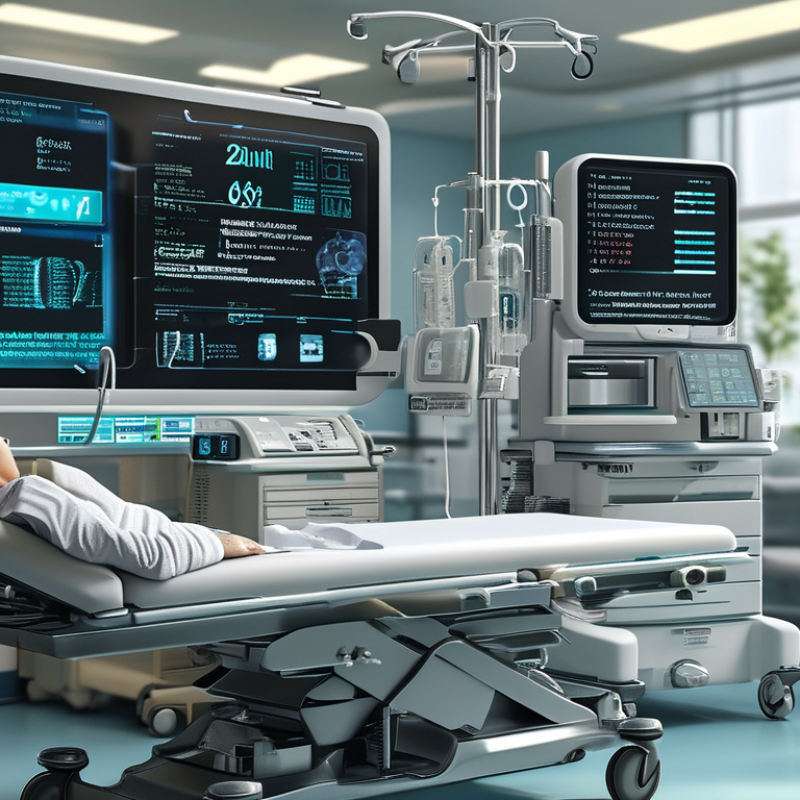
How Smart Devices Transform Healthcare Systems in 2026

Advancements in Smart Devices Shaping Healthcare in 2026

The landscape of healthcare is evolving rapidly, largely due to advancements in smart devices. By 2026, these devices are set to reshape diagnosis and treatment. Wearable technologies, such as smartwatches and fitness trackers, are offering real-time health data. This data can alert healthcare professionals to potential issues before they become critical. With accurate tracking, patients gain more control over their health.

Telemedicine is also experiencing a revolution. Smart devices enable remote consultations, making healthcare accessible in rural areas. Yet, there are challenges. Some patients struggle with technology, limiting their engagement in their care. The digital divide remains a concern. Not everyone has equal access to smart devices. This disparity can worsen health outcomes.

Artificial intelligence is enhancing smart devices. AI algorithms analyze vast amounts of health data quickly. They help in detecting patterns that humans might miss. However, reliance on technology raises ethical questions. Who is responsible when errors occur? Balancing innovation with accountability is essential for a successful future in healthcare.

Integration of IoT and AI in Patient Monitoring Systems

In 2026, the integration of IoT and AI in patient monitoring systems has transformed healthcare. Smart devices now collect real-time data from patients with chronic conditions. Through sensors, vital signs like heart rate and blood pressure are monitored continuously. This data is analyzed using AI algorithms, enabling healthcare providers to make informed decisions swiftly.

The effectiveness of this technology is palpable. Patients can receive timely interventions before conditions worsen. Telehealth platforms use AI to alert doctors about significant changes. However, dependence on technology brings challenges. Data security remains a primary concern. Inadequate training for healthcare professionals on these systems can lead to errors.

While the benefits are significant, the need for human oversight remains critical. An AI-driven system is not infallible. Sometimes data may be misinterpreted, leading to incorrect conclusions. Future advancements should prioritize enhancing the balance between technology and human expertise.

Impact of Wearable Technology on Preventive Healthcare Measures

Wearable technology is reshaping preventive healthcare. In 2026, smart devices will play a crucial role in monitoring health metrics. These devices collect data like heart rate, activity level, and sleep patterns. Users can receive real-time feedback. This immediate access can motivate healthier choices.

However, while tracking is beneficial, it poses challenges. People may develop a dependency on these devices. They might ignore their body's signals. The ever-increasing data can overwhelm users. Yet, the value in cultivating vigilance in health cannot be overstated. Personalized insights can highlight risks before they escalate.

Challenging traditional health practices, wearables cultivate a new awareness. They enable proactive measures rather than reactive ones. Educating users on interpreting their data is essential. Misunderstanding can lead to anxiety or mismanagement. Balancing technology with personal intuition is key to effective healthcare transformation.

Privacy and Security Challenges in Smart Healthcare Solutions

In 2026, smart devices are set to revolutionize healthcare systems. However, they bring significant privacy and security challenges. Healthcare providers will store vast amounts of sensitive data. This data is attractive to cybercriminals. Breaches can lead to identity theft and unauthorized access to patient information. Ensuring robust security measures is vital but often overlooked.

Providers must adopt a proactive approach. Regular audits on data handling can help identify vulnerabilities. Encryption of sensitive data is also critical. Employees need training on recognizing phishing attacks and suspicious behaviors. Maintaining patient trust is paramount. If patients feel unsafe, they may avoid seeking care.

Tips for healthcare organizations include implementing multi-factor authentication. This adds an extra layer of security. Regular software updates should not be neglected; outdated systems can be easily exploited. Lastly, establish clear protocols for data access. Limit access to only those who need it. These steps, while requiring upfront effort, can safeguard sensitive patient information. As the healthcare landscape evolves, a focus on privacy and security will ensure progress is sustainable.

Future Trends in Smart Devices and Healthcare Collaboration

In 2026, collaboration between healthcare systems and smart devices is poised to redefine patient care. Devices such as wearable health monitors will continuously track vital signs, offering real-time data to healthcare providers. This shift enables timely interventions and reduces the burden on emergency services. As smart devices evolve, they will increasingly analyze data, predicting potential health issues before they escalate.


However, challenges arise with this integration. Data privacy remains a significant concern. Patients often hesitate to share sensitive information. Trust in technology must be built through transparent practices. Healthcare professionals need training to interpret data from these devices. This requires new skills and knowledge, highlighting potential gaps in the current education system.


User experience is another crucial factor. Many smart devices are not intuitive. Patients may struggle to understand their features. The design should prioritize usability. Feedback loops from users can help developers create more accessible devices. A focus on collaboration between engineers and healthcare workers is essential to bridge these gaps. As technology becomes more integrated, the need for continuous improvement and adaptability will be critical.

FAQS

: How does IoT and

I impact patient monitoring?

What types of data are collected in patient monitoring?

Smart devices monitor vital signs like heart rate and blood pressure using sensors.

Can technology predict health issues?

Yes, as smart devices evolve, they will analyze data to predict health issues before they escalate.

What challenges exist with technology in healthcare?

Data privacy is a major concern; patients may hesitate to share sensitive information with devices.

Why is human oversight important in AI systems?

AI systems can misinterpret data, leading to incorrect conclusions. Human expertise is crucial for accuracy.

Are smart devices easy for patients to use?

Many smart devices lack intuitive design, making it difficult for patients to understand their features.

How can healthcare professionals improve data interpretation?

Training is essential, as healthcare professionals need new skills to effectively interpret data from smart devices.

What role do user experiences play in device development?

User feedback is vital; it helps developers create more accessible and easy-to-use devices.

What balance is necessary in healthcare technology?

The integration of technology with human expertise must be prioritized for better patient outcomes.

Is current education sufficient for using new technology in healthcare?

There are potential gaps in knowledge that may hinder effective use of technology in healthcare settings.

Conclusion

The article "How Smart Devices Transform Healthcare Systems in 2026" explores the pivotal role of advancements in smart devices within healthcare. It examines how smart devices integrate with healthcare systems through the seamless incorporation of IoT and AI technologies in patient monitoring. This integration enhances real-time data collection, enabling more effective management of patient health.

Furthermore, the rise of wearable technology marks a significant shift towards preventive healthcare measures, allowing individuals to monitor their health proactively. However, as these innovations unfold, they also bring forth challenges related to privacy and security, prompting discussions about safeguarding sensitive health information. The article concludes by highlighting future trends that will further foster collaboration between smart devices and healthcare, paving the way for a more connected and efficient healthcare landscape.

Mason

Mason

Mason is a seasoned marketing professional with a deep expertise in the company's offerings and a passion for driving brand awareness. With a strong background in digital marketing strategies, he has an innate ability to connect with diverse audiences and effectively communicate product benefits.......