In the evolving landscape of healthcare, smart devices are becoming essential in remote caregiving. According to a report by the International Data Corporation (IDC), the market for remote patient monitoring technologies is projected to reach $3.5 billion by 2025. This surge highlights an urgent need for effective caregiving solutions that leverage technology. Experts in the field, such as Dr. Emily Johnson, a renowned geriatric care specialist, state, “How smart devices support remote caregiving can transform patient experiences and outcomes.”
These devices improve communication between caregivers and patients, ensuring timely interventions. Wearable technologies monitor vital signs in real-time, alerting caregivers to potential health issues before they escalate. This proactive approach can save lives, yet it also raises concerns about data privacy and the reliability of the devices. Furthermore, not all patients are tech-savvy, which can lead to frustrations in usage.
Ultimately, while the benefits of smart devices in remote caregiving are evident, there are hurdles to overcome. Balancing innovation with patient accessibility and security remains a critical challenge. As we explore the top ten ways smart devices can enhance caregiving, it’s vital to recognize both their potential and their limitations in real-world applications.
Advancements in Smart Technology for Remote Caregiving
The rise of smart technology has significantly transformed remote caregiving.
Devices like smart speakers and wearable health monitors offer caregivers the ability to track vital signs and daily activities.
This continuous monitoring helps in early detection of health issues, allowing timely interventions.
Communication is key in remote caregiving.
Video calls enable caregivers to connect with their loved ones, offering emotional support.
However, reliance on technology can sometimes create barriers. Not all users are tech-savvy, and some may find these devices intimidating.
Moreover, smart technology can enhance safety.
Smart alarms and sensors ensure that caregivers are alerted to emergencies promptly.
Yet, these systems may fail occasionally, leading to false alarms or missed notifications.
It's crucial for caregivers to regularly test and understand these devices to optimize their effectiveness.
Key Features of Smart Devices Enhancing Remote Caregiving
Smart devices are revolutionizing remote caregiving by leveraging technology to improve care quality. According to a report by the Global Telemedicine Market, the telehealth market is expected to exceed $185 billion by 2026. This growth highlights the increasing reliance on smart devices for monitoring health from afar. One key feature is real-time health tracking. Wearable devices can monitor vital signs like heart rate and oxygen levels. Data collected can alert caregivers immediately, ensuring timely intervention.
Another vital aspect is the integration of artificial intelligence. Some smart devices can analyze behavioral patterns. This feature is crucial for early detection of health issues. The American Journal of Managed Care states that AI can lower emergency room visits by 30% through preventative care. Furthermore, communication tools enhance the connection between caregivers and patients. Video calls and messaging features enable regular check-ins. Such tools can minimize feelings of isolation in patients, creating a supportive environment.
However, challenges remain. Not all caregivers are tech-savvy. Issues such as user interface complexity can hinder effective use. A 2023 survey by the Pew Research Center found that 25% of older adults feel uncomfortable using technology. Additionally, data privacy concerns can deter users from fully embracing these solutions. Caregivers must navigate these hurdles to maximize the benefits of smart devices in remote caregiving.
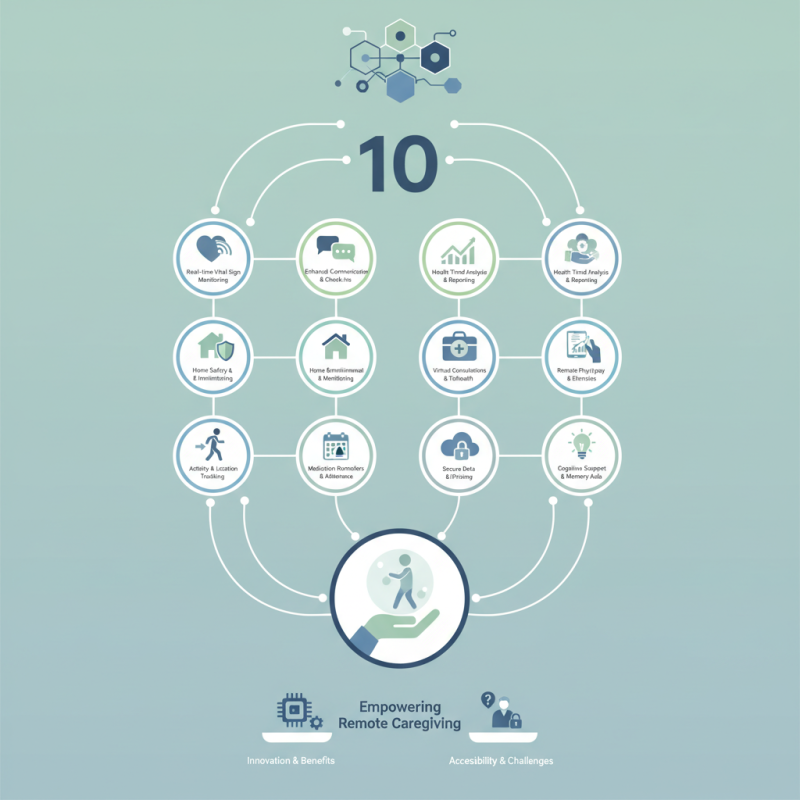
Top 10 Features of Smart Devices in Remote Caregiving
This chart illustrates the ten key features that smart devices offer to enhance remote caregiving solutions.
User-Friendly Interfaces for Caregivers and Recipients
Smart devices are reshaping caregiving with
user-friendly interfaces. These innovations help caregivers interact effortlessly with recipients. A report from the Pew Research Center highlights that 87% of seniors wish to age in place. Intuitive designs cater to this need, allowing caregivers to manage remote care efficiently.
User-friendly interfaces include simple navigation and clear visuals. Many devices now feature
voice commands, making them accessible. The AARP found that 78% of caregivers prioritize ease of use when selecting tech tools. This focus ensures that seniors can understand and utilize these devices to communicate and monitor their health.
However, not all devices meet these standards. Some have complex features that confuse users. Caregivers often report frustrations with insufficient support, affecting their ability to provide care. The industry must prioritize
usability to enhance the caregiving experience effectively. A more straightforward design can significantly improve engagement and compliance among recipients.
Data Security Considerations in Remote Caregiving Solutions
Remote caregiving solutions increasingly rely on smart devices. However, ensuring data security is critical. According to a report by the Ponemon Institute, 60% of healthcare organizations experienced a data breach in the last two years. This statistic highlights the vulnerabilities in remote caregiving technologies.
When caregivers coordinate remotely, sensitive patient information often travels over the internet. Unencrypted data is an open invitation to cybercriminals. A survey found that 75% of healthcare professionals believe their organizations lack adequate data security measures. This gap can lead to unauthorized access and potential misuse of patient data.
Many smart devices use cloud storage for data management. While convenient, this raises concerns. Data stored in the cloud can be particularly exposed if not properly secured. Regular audits and updates are essential to address these challenges. Investing in advanced encryption methods can also enhance security. For caregivers, being aware of these risks is crucial for maintaining trust with patients and protecting their privacy.
Case Studies: Successful Implementation of Remote Caregiving Devices
In recent years, remote caregiving solutions have become essential in healthcare. Case studies demonstrate how smart devices can bridge the gap between caregivers and patients. For instance, one study highlighted the success of wearable devices that monitor vital signs and alert caregivers to any changes. This level of real-time tracking allows caregivers to respond quickly to potential emergencies.
Effective communication tools, such as video calls, also proved vital. They enable caregivers to engage with patients visually. This interaction fosters a sense of companionship. However, some patients may resist using these technologies. It’s important to stay patient and provide encouragement.
Tips to enhance the experience include selecting user-friendly devices. Ensure that the patient understands how to use each technology. Providing simple, step-by-step instructions can diminish anxiety. Regular follow-ups can reveal any issues with the devices. This proactive approach can lead to better care outcomes. Remember, technology can’t solve everything. Emotional support remains equally important in remote caregiving situations.
Conclusion
The article "Top 10 Ways Smart Devices Enable Remote Caregiving Solutions" explores how smart devices support remote caregiving through various advancements in technology. It highlights key features such as real-time monitoring, automated alerts, and communication tools that enhance the caregiving experience for both caregivers and recipients. User-friendly interfaces are emphasized, ensuring ease of use for individuals of all ages and technical abilities.
Additionally, the article addresses important data security considerations to protect sensitive information in remote caregiving solutions. Through case studies, successful implementations of smart caregiving devices are illustrated, showcasing their effectiveness in enhancing the quality of care and improving outcomes for individuals in need. Overall, the integration of smart devices in caregiving represents a significant step forward in providing comprehensive and efficient remote support.

 TC Health