As our population ages, the need for effective elderly monitoring systems becomes increasingly crucial. What makes a reliable elderly monitoring system? This question drives a deep understanding of technology, health, and human interaction. These systems should ensure the safety, well-being, and dignity of older adults living independently.
A trustworthy monitoring system integrates advanced technology with compassionate care. It often includes sensors, alarms, and communication tools that enhance safety. Yet, these innovations must be user-friendly. Elderly users may struggle with complex interfaces. Monitoring systems must balance sophistication with simplicity.
Moreover, reliability goes beyond technical features. It requires ongoing support, data security, and privacy. An effective system should also adapt over time to meet changing health needs. Implementing these elements can be challenging. There are numerous pitfalls to avoid, emphasizing the importance of thorough testing and feedback. Ultimately, a reliable elderly monitoring system is not just about the technology; it’s about creating a supportive environment for our aging population.
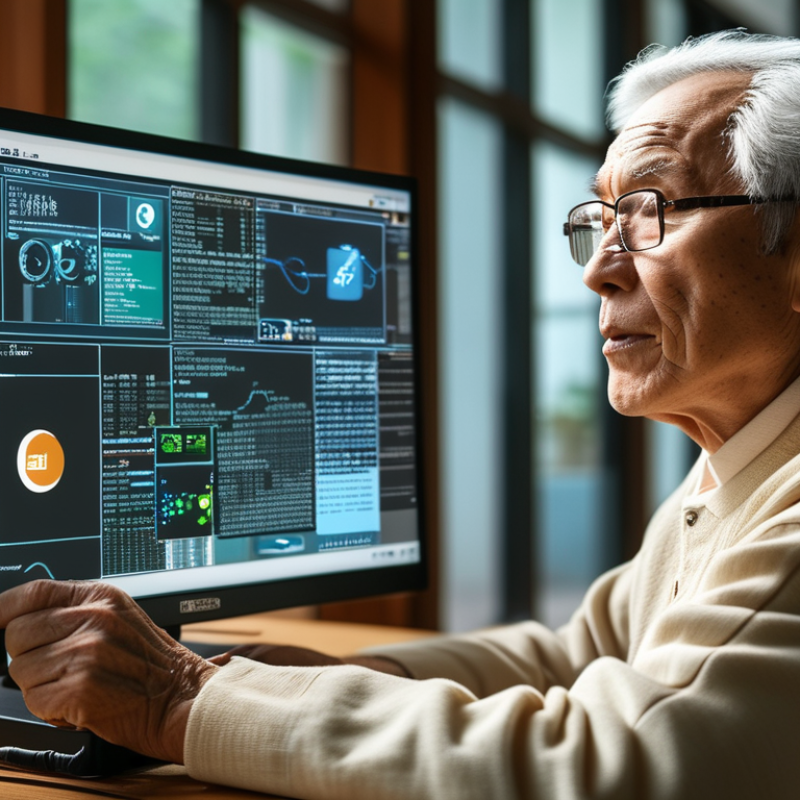
Key Features of an Effective Elderly Monitoring System
In an aging society, a reliable elderly monitoring system is crucial for ensuring safety. Effective systems incorporate several key features to enhance functionality and user experience. One essential aspect is real-time monitoring. Studies show that 50% of elderly accidents occur at home, making constant surveillance vital for prompt intervention.
Another vital feature is fall detection. According to the CDC, one in four seniors experiences a fall each year. Systems equipped with advanced sensors can immediately alert caregivers and emergency services, significantly reducing response times. Furthermore, user-friendly interfaces are essential. The elderly should easily navigate these systems without assistance. Complex technology may deter their use and limit effectiveness.
Tip: Keep the monitoring system simple and intuitive to enhance user adoption.
Communication features are equally important. Systems should allow seniors to connect with loved ones easily. Regular check-ins can decrease feelings of isolation. However, it’s important to reflect on privacy concerns. Seniors may feel anxious if they sense excessive surveillance. Balancing monitoring with their need for privacy is crucial.
Tip: Involve seniors in discussions about their monitoring preferences to ensure comfort and cooperation.
Technological Solutions for Real-Time Monitoring of Seniors
As our population ages, there is a growing need for effective monitoring systems to ensure seniors' safety. Technological advancements play a pivotal role in this regard. Real-time monitoring systems provide caregivers with immediate alerts about critical situations. These systems often incorporate wearable devices and sensors that can detect falls or irregular vital signs. However, implementing these technologies can sometimes overwhelm seniors. Usability remains a crucial concern in design.
An effective elderly monitoring system must address the unique needs of its users. It should be intuitive and user-friendly. Voice-activated features can help seniors interact seamlessly with the system. Meanwhile, a secure communication channel between caregivers and family members enhances peace of mind. Yet, despite these benefits, technological reliability issues occasionally arise. False alarms may lead to unnecessary stress for both seniors and caregivers.
Moreover, privacy concerns linger as data collection increases. It is essential for monitoring systems to prioritize data protection. Transparency in how data is handled fosters trust among users. Continuous feedback from both seniors and caregivers can help developers refine these systems. This collaborative approach ultimately leads to more effective and reliable monitoring solutions for our aging population.
What Makes a Reliable Elderly Monitoring System for Safety? - Technological Solutions for Real-Time Monitoring of Seniors
| Feature |
Description |
Importance |
Technology Used |
| Real-Time Location Tracking |
Tracks the location of seniors in real time to ensure their safety and provide assistance if needed. |
High |
GPS, IoT Sensors |
| Health Monitoring |
Continuous monitoring of vital signs such as heart rate and blood pressure. |
Critical |
Wearable Devices, Remote Health Monitoring Systems |
| Emergency Alerts |
Immediate notification system to alert caregivers and emergency services in case of an emergency. |
High |
Mobile Apps, Emergency Response Systems |
| Daily Activity Monitoring |
Tracks daily activities to ensure the senior is following a healthy routine. |
Medium |
Smart Home Devices, Activity Sensors |
| User-Friendly Interface |
An intuitive interface for seniors and caregivers to easily access information and control settings. |
Essential |
Web and Mobile Applications |
Importance of User-Friendly Interfaces in Safety Systems
In designing an elderly monitoring system, user-friendly interfaces are crucial. These systems must be intuitive for seniors who may not be tech-savvy. A simple layout with clear icons and large fonts can make a significant difference. This helps minimize frustration and encourages active use.
Effective safety systems must provide - clear communication. Voice commands can enhance accessibility. Feedback, such as alerts or notifications, should be easily understandable. Simplifying these aspects is essential. Many systems fail due to overly complex features. Users, especially older adults, become overwhelmed.
However, even the best designs can improve. User testing is vital to identify challenges. Features may seem user-friendly to developers but confuse users. Regular feedback from actual users is key to refining the interface. A reliable system is only as good as its usability. Prioritizing this can significantly enhance safety measures for the elderly.
Integrating Emergency Response Mechanisms in Elderly Care
Incorporating emergency response mechanisms into elderly care is crucial for ensuring safety. A reliable monitoring system must prioritize real-time communication. Systems should enable immediate alerts for caregivers and emergency personnel. For instance, a wearable device can detect falls and send an alert automatically. Efficient communication can make a significant difference in crisis situations.
Moreover, the design should consider usability. Often, elderly individuals struggle with complex technologies. Simplicity is key. Buttons should be large and clear. Instructions must be straightforward. Consider a scenario where an individual triggers a false alarm due to confusion. This can happen without clear guidance, highlighting the need for intuitive interfaces.
Assessing feedback from users is essential. What works well for one person may not suit another. This reflects the diverse needs of the elderly population. Regularly reviewing system efficacy can uncover areas for improvement. Engaging caregivers in the design process can also enhance the reliability of the monitoring system.
Data Privacy and Security Considerations in Monitoring Systems
In the realm of elderly monitoring systems, data privacy and security are paramount. The increasing adoption of wearable devices and home sensors has raised significant concerns. A report by the International Data Corporation highlights that over 50% of users worry about data breaches. This concern is not unfounded. Vulnerabilities can expose sensitive health information, risking not only privacy but also the trust necessary for effective monitoring.
Healthcare institutions are also facing compliance challenges. The Health Insurance Portability and Accountability Act (HIPAA) mandates strict guidelines for data handling. Breaches can lead to severe penalties. Yet, many systems lack robust encryption and authentication protocols. According to a study by the Ponemon Institute, 57% of organizations report insufficient security measures. This underlines the need for enhanced protection strategies.
Moreover, ethical considerations must not be overlooked. Constant monitoring can lead to feelings of being surveilled. Caregivers should ensure that privacy is respected, even in systems designed for safety. Balancing surveillance with autonomy is crucial. Striking the right note requires ongoing dialogue among stakeholders. Only then can we build reliable systems that prioritize privacy and security.
Data Privacy and Security Considerations in Elderly Monitoring Systems
Conclusion
An effective elderly monitoring system is crucial for ensuring the safety and well-being of seniors. What makes a reliable elderly monitoring system includes several key features, such as real-time monitoring capabilities that leverage advanced technological solutions to track health metrics and daily activities. Additionally, user-friendly interfaces are essential for both seniors and caregivers, promoting ease of use while minimizing confusion.
Furthermore, integrating emergency response mechanisms into these systems enhances their reliability, allowing for swift action in case of emergencies. Data privacy and security are also paramount; it is critical to protect sensitive information while ensuring that monitoring remains effective. By addressing these aspects, we can create a robust elderly monitoring system that prioritizes safety and improves the quality of life for seniors.

 TC Health