Why Real Time Location Tracking Matters for Seniors Safety?

Time:2026-06-01 Author:Madeline
0%

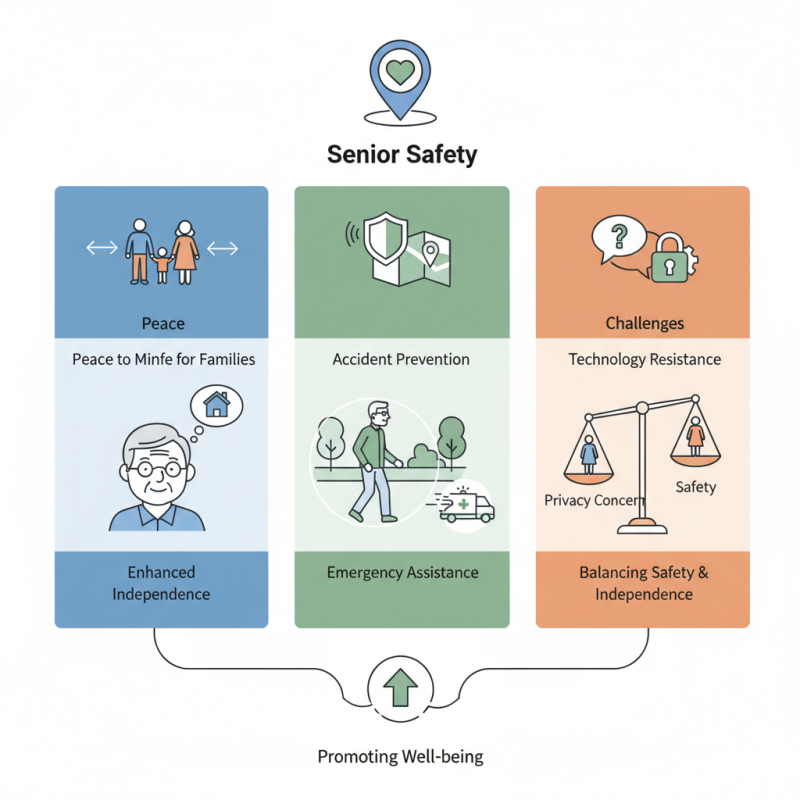
Real-time location tracking is increasingly vital for seniors. With the aging population, it addresses safety concerns effectively. According to Dr. Emily Johnson, a gerontology expert, “Real-time tracking provides peace of mind for families and enhances independence for seniors.”

This technology ensures that family members can monitor their loved ones' whereabouts without intruding. It allows seniors to explore their environment safely. Accidents can happen, and quick responses can make a difference. Knowing where a senior is at all times can prevent wandering and assist in emergencies.

However, implementing real-time tracking does come with challenges. Some seniors may resist new technology. Privacy concerns could also arise within families. Balancing safety with independence needs careful thought. Therefore, understanding why real-time location tracking is important for seniors is crucial in promoting the well-being of our loved ones while addressing their rightful concerns.
Why Real Time Location Tracking Matters for Seniors Safety?

Importance of Real Time Location Tracking in Enhancing Senior Safety

Real-time location tracking can significantly enhance the safety of seniors. It acts as a safety net for both seniors and their families. With wearable devices or smartphone apps, caregivers can monitor a senior's movements. This provides peace of mind, especially for those with cognitive impairments or mobility issues.

Imagine a senior wandering away from home. In this situation, real-time tracking can alert caregivers immediately. They can respond quickly, preventing potential accidents or harmful situations. Additionally, the technology assists seniors in navigating unfamiliar places. This can boost their independence, allowing them to maintain social connections.

Of course, there are challenges to consider. Privacy concerns arise with constant tracking. Families must balance safety and personal freedom. Building trust is essential for seniors to embrace this technology. Each situation is unique, and solutions should cater to individual needs and preferences. This requires careful thought and a nuanced approach to implementation.

Current Statistics on Senior Accidents and Their Impact on Safety Measures

Statistics reveal alarming trends in senior accidents. Over 25% of seniors fall each year, leading to severe injuries. Emergency rooms are often flooded with elderly patients due to such accidents. These incidents frequently result in hospitalization, impacting their overall quality of life.

Real time location tracking can significantly enhance safety measures for seniors. With continuous monitoring, caregivers can respond promptly to emergencies. If a senior falls, help can be dispatched immediately. This technology also ensures loved ones are informed about their whereabouts.

Despite its benefits, implementing tracking systems is not without challenges. Some seniors may resist the idea, feeling it infringes on their independence. Educating families about the value of tracking can help bridge this gap. It's crucial to create a balance between freedom and safety, fostering an environment where seniors feel secure and respected.

Technology Solutions: How GPS and Wearables Improve Senior Monitoring

Real-time location tracking plays a significant role in enhancing the safety of seniors. Many technology solutions have emerged to address this need. GPS devices and wearable technology are two of the most impactful options available today. These advancements allow caregivers and family members to monitor seniors' movements seamlessly. They help ensure that seniors do not wander away from safe areas.

Wearables, like smartwatches, come equipped with GPS tracking features. They allow seniors to alert loved ones in case of emergencies. The ease of use makes it possible for seniors to stay connected without complicated interfaces. There are often concerns about privacy and dependence on technology. Yet, the peace of mind these devices provide can outweigh those worries.

While these solutions are effective, not all seniors adapt quickly to technology. Some may find wearables uncomfortable or confusing. It’s vital to have conversations with seniors about their preferences. A personalized approach can promote comfort and acceptance. Effective tracking involves understanding the individual needs of each senior.

Why Real Time Location Tracking Matters for Seniors Safety?

Dimension Description Importance Technology Solutions
GPS Tracking Real-time location data for seniors Ensures safety and quick response in emergencies Wearable devices and mobile applications
Emergency Alerts Instant alerts for falls or health issues Quick access to help reduces risk Panic buttons and alert systems
Geofencing Virtual boundaries to monitor movement Alerts caregivers if the senior wanders Location-based services and apps
Daily Activity Monitoring Tracking physical activity levels Promotes health and identifies unusual patterns Fitness trackers and health apps
Communication Features Easy contact with family and caregivers Reduces isolation and promotes well-being Smartwatches with messaging capabilities

Case Studies: Successful Implementations of Tracking for Senior Care

Real-time location tracking technologies are crucial for enhancing senior safety. A report from the AARP indicates that over 80% of seniors prefer to age in place, often leading to challenges in maintaining their safety. The implementation of tracking solutions has proven beneficial in several case studies.

In one prominent case study, a senior living community implemented a GPS-based tracking system. This initiative resulted in a 40% reduction in emergency calls. Families reported increased peace of mind. However, not all tracking systems are foolproof. Privacy concerns arose when some seniors felt their autonomy was compromised. Balancing safety and independence remains a critical issue.

Another example involves a partnership between a healthcare provider and a tech company. They developed wearable devices that alert caregivers when a senior wanders beyond a designated area. Within six months, the program showed a 30% decrease in wandering incidents. Yet, user acceptance varied; some seniors found the devices uncomfortable. Tailoring solutions for individual needs is an ongoing challenge. Engaging seniors in the solution process is vital for success.

Importance of Real-Time Location Tracking for Seniors' Safety

Future Trends in Real Time Location Technologies for the Elderly Population

Real-time location tracking presents a significant promise for seniors' safety. With the aging population expected to reach 2 billion by 2050, innovative technologies are needed. According to a recent study by the International Telecommunication Union (ITU), GPS and wearable devices have become vital tools to enhance safety for older adults. These technologies allow caregivers to maintain constant awareness of seniors' whereabouts, reducing the anxiety associated with wandering or potential emergencies.

As trends evolve, artificial intelligence is shaping the future of location tracking. AI algorithms can analyze movement patterns, detecting anomalies that may signify distress. An AARP survey revealed that over 55% of seniors express interest in using tech-based solutions for daily safety. However, many technologies still face challenges. Concerns about privacy and user-friendliness persist. Data from the Pew Research Center highlights that only 34% of older adults currently use smartphones or wearables, indicating a gap in accessibility.

While real-time location technologies can vastly improve safety, they require careful design thinking. Devices must be intuitive for seniors who may struggle with complex interfaces. The ethical implications of tracking also need consideration. Balancing safety with personal autonomy remains a critical conversation within the industry. As advancements continue, the focus must remain on creating solutions that empower rather than control.

FAQS

: How does real-time location tracking help seniors?

: It enhances safety by allowing caregivers to monitor movements, ensuring timely assistance in emergencies.

What are the benefits of using tracking devices for seniors?

They boost independence and social connections, especially for those with cognitive impairments.

What challenges do families face with location tracking technology?

Privacy concerns may arise, creating tension between safety and personal freedom for seniors.

How prevalent are accidents among seniors?

Over 25% of seniors fall each year, often requiring hospitalization and greatly affecting their lives.

Can real-time tracking provide immediate help during accidents?

Yes, it enables caregivers to respond quickly if a senior falls or encounters an emergency.

Why do some seniors resist location tracking?

They may feel it infringes on their independence, leading to hesitation in accepting the technology.

What future trends are shaping location tracking for seniors?

Artificial intelligence is enhancing tracking by analyzing movement patterns to detect distress signals.

What percentage of seniors show interest in tech-based safety solutions?

Over 55% of seniors express interest, highlighting the potential for future technology adoption.

What barriers exist for senior use of tracking technologies?

Many seniors face challenges with device usability, as only 34% currently use smartphones or wearables.

How should location tracking devices be designed for seniors?

They must be intuitive and user-friendly, focusing on empowerment rather than control and complexity.

Conclusion

Real time location tracking is important for seniors as it significantly enhances their safety and well-being. With current statistics indicating a rise in accidents among the elderly, it becomes crucial to implement effective safety measures. Technologies such as GPS and wearables empower caregivers and families to monitor seniors' movements and respond promptly in emergencies. Successful case studies demonstrate how these tracking solutions have improved care for seniors, providing peace of mind for both individuals and their loved ones.

Looking ahead, the future trends in real time location technologies promise even greater advancements tailored for the elderly population. As these technologies evolve, they will continue to play a vital role in ensuring the safety and independence of seniors, ultimately enriching their quality of life.

Madeline

Madeline

Madeline is a dedicated marketing professional with a wealth of expertise in our company's core offerings. With a keen understanding of the industry, she brings a unique perspective to her role, consistently delivering high-quality content that highlights the superior aspects of our products. As......