Managing a chronic condition can feel like carrying a small clinic through every ordinary day. A smartwatch may record heart rhythm changes. A glucose sensor may show patterns after breakfast. A connected blood pressure cuff may reveal morning spikes. These details can support better conversations with qualified clinicians. They cannot replace diagnosis, treatment, or emergency care.
This guide explores how to manage chronic conditions with wearable tech through ten practical, evidence-aware approaches. It considers choosing validated devices, setting realistic targets, checking measurements, and sharing useful reports with healthcare professionals. It also examines battery failures, inaccurate readings, skin irritation, data overload, and privacy concerns. Small problems matter. A forgotten charger can interrupt an otherwise helpful record.
Digital medicine expert and cardiologist Dr. Eric Topol has said, “The future of medicine is the consumer.” His observation supports a more participatory model, but participation requires informed judgment. Wearable data can feel precise while remaining incomplete. A device may miss symptoms, misread movement, or generate unnecessary anxiety. That uncertainty deserves attention, not marketing language. The strongest approach combines lived experience, clinical expertise, reliable evidence, and regular review. Readers should question trends, confirm concerning results, and avoid changing medication without professional guidance. Used thoughtfully, wearable technology can make invisible patterns more visible. It can also expose how uneven access remains. Not every person can afford advanced sensors, stable internet, or frequent clinical support. That limitation belongs in any honest discussion.
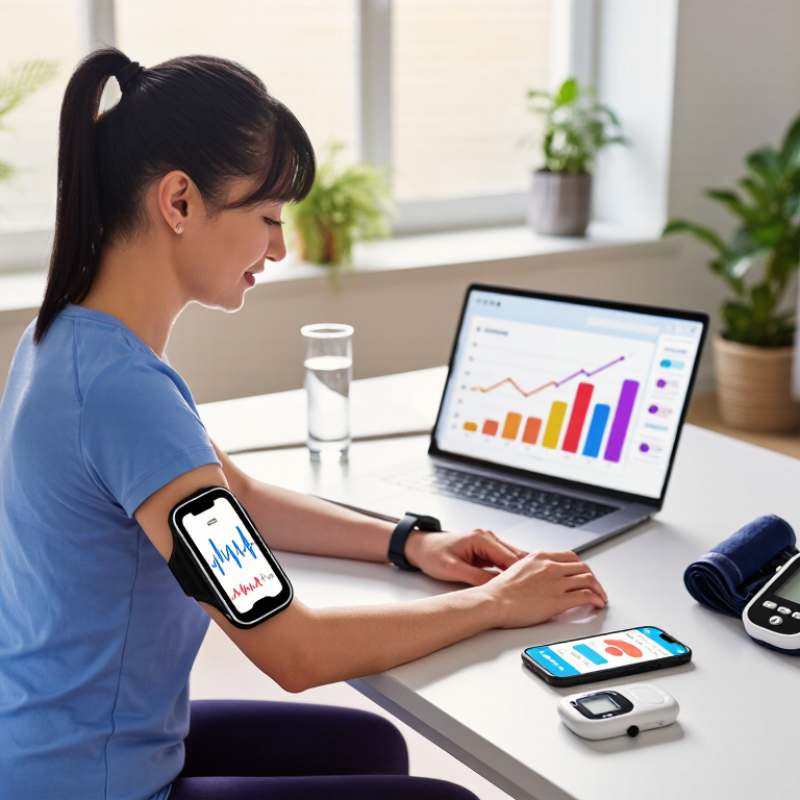
Wearable technology can turn daily health patterns into useful evidence for chronic condition management. A wrist device may track heart rate, movement, sleep, temperature, or blood oxygen. These measurements can reveal trends that a short clinic visit misses. They may support care for diabetes, cardiovascular disease, respiratory illness, and mobility limitations.
However, a sensor is not a diagnosis. Data needs context. A poor fit, fever, intense exercise, or medication change can distort readings. Check device instructions and discuss important changes with a qualified clinician.
Ten practical uses include monitoring symptoms, recording glucose with a validated monitor, pacing physical activity, improving sleep routines, setting medication reminders, noticing unusual heart-rate patterns, documenting triggers, supporting rehabilitation, sharing reports securely, and encouraging self-management. Choose one goal at a time. Small changes matter. Set alerts carefully, because frequent alarms may create anxiety or be ignored. Review weekly patterns instead of reacting to every single reading.
Reliable management also depends on privacy, comfort, and consistency. Keep the device clean and wear it as instructed. Confirm unusual results with an approved medical method when possible. Never delay urgent care because a wearable shows a normal reading.
I have found that simple notes about meals, stress, pain, and medication timing often explain patterns better than numbers alone. My own judgment can still be incomplete. Devices may miss symptoms, lose data, or work poorly for some bodies. Regular clinical review remains essential.
Wearable technology can turn ordinary routines into useful health records. The CDC reports that six in ten U.S. adults live with a chronic disease. Four in ten manage two or more. Daily tracking may help users notice changes earlier, though it cannot replace clinical assessment.
Ten practical uses include monitoring resting heart rate, rhythm alerts, blood oxygen, temperature, sleep duration, breathing rate, steps, activity intensity, medication reminders, and symptom timing.
Write down context, too: “shortness of breath after stairs” is more useful than a single number.
The World Health Organization attributes 74% of global deaths to noncommunicable diseases. Consistent measurements can support conversations about risk, treatment response, and lifestyle patterns. However, readings may be affected by movement, loose fit, skin contact, or poor sleep. I have found trends more informative than isolated alerts.
Still, this approach is imperfect. Some symptoms remain invisible to sensors. Discuss persistent changes with a qualified clinician, especially when readings conflict with how you feel.
Tips:
Check measurements at similar times each day. Keep a simple symptom diary beside the device. Mark exercise, caffeine, stress, and illness. Review weekly patterns, not every fluctuation. Protect personal health data with strong account controls. Ask whether each metric changes a real decision; otherwise, tracking can create anxiety without improving care.
Evidence from a 2024 review in npj Digital Medicine also supports combining wearable data with clinical judgment, rather than treating automated readings as diagnoses.
Top 10 Ways to Manage Chronic Conditions with Wearable Tech
Using Wearable Data to Support Medication and Treatment Plans
Wearable technology can make daily treatment patterns easier to see. Track heart rate, movement, sleep, glucose trends, or blood pressure when clinically appropriate. Record medication times beside symptoms and readings. Note meals, exercise, stress, and dizziness. These details can show whether symptoms follow a dose or another trigger. One unusual reading is not a diagnosis. Repeated changes deserve professional review.
Use reminders for doses, measurements, hydration, and appointments. Set alerts that match your care plan, rather than accepting every default setting. Review weekly trends with a qualified clinician. Ask whether the device has suitable accuracy for your condition. Compare concerning readings with approved clinical measurements when possible. Never change medication without medical advice. Data supports decisions; it does not replace them.
Wearables also require careful handling. Check whether the sensor fits correctly and whether missing data affects interpretation. A dead battery can create a misleading gap. Too many alerts may become background noise. Privacy needs attention, too. Ask who can access your health information and how long it remains stored. The process is not flawless. A quiet symptom diary may sometimes explain more than a dramatic graph.
| # | Chronic-Care Use | Wearable Data to Monitor | Useful Data Frequency | How Data Can Support the Treatment Plan | Medication or Care-Plan Consideration | Important Limitation |
|---|---|---|---|---|---|---|
| 1 | Track blood glucose patterns | Glucose readings, time in range, meal-related changes, and overnight trends | Continuous readings when clinically indicated; otherwise according to the prescribed monitoring schedule | Helps identify recurring highs or lows associated with meals, activity, stress, or sleep and provides a record for clinical review. | May help clinicians evaluate whether meal planning, exercise, or diabetes medication timing requires adjustment. | Do not change insulin or other glucose-lowering medication without professional guidance. Confirm unexpected readings using the method recommended by a clinician. |
| 2 | Support blood-pressure management | Blood-pressure readings, resting heart rate, activity level, and measurement time | At consistent times, based on the clinician’s home-monitoring plan | Creates a structured home record that can reveal sustained patterns rather than relying on one isolated reading. | Can support review of adherence, lifestyle changes, and possible treatment response after a medication is started or changed. | Many wrist-based devices are not diagnostic blood-pressure monitors. Use a validated cuff when accurate blood-pressure data are required. |
| 3 | Observe heart-rate and rhythm changes | Resting heart rate, exercise heart rate, rhythm notifications, and symptom timestamps | Daily resting measurements plus event-based recordings when symptoms occur | Pairs objective readings with symptoms such as palpitations, dizziness, or fatigue for a more useful clinical history. | May help clinicians assess response to rate-control medicines or determine whether additional testing is appropriate. | Consumer rhythm alerts are screening information, not a diagnosis. Seek urgent care for severe chest pain, fainting, or serious breathing difficulty. |
| 4 | Manage activity in arthritis or mobility limitations | Step count, active minutes, walking duration, movement breaks, and symptom ratings | Daily totals with weekly trend review | Helps set gradual, individualized activity goals and identify whether increased activity is followed by pain or fatigue. | Can inform pacing, physical-therapy goals, and the timing of prescribed pain-management strategies. | Step counts do not measure pain, joint damage, or exercise quality. Goals should be adapted to ability and flare-ups. |
| 5 | Improve sleep regularity | Sleep duration, bedtime and wake time, nighttime awakenings, and overnight heart rate | Nightly tracking with a 2–4 week trend review | Shows relationships between sleep routines, symptoms, activity, and daytime alertness. | May help clinicians evaluate whether a treatment affects sleep or whether sleep-related symptoms need further assessment. | Wearables estimate sleep stages and may not detect sleep disorders reliably. Persistent snoring, pauses in breathing, or severe daytime sleepiness warrant evaluation. |
| 6 | Monitor respiratory symptoms | Respiratory rate, activity tolerance, oxygen saturation when appropriate, and symptom events | Daily trends and readings during symptoms, according to the care plan | Can document changes in exertional tolerance and help identify patterns that should be discussed with a respiratory-care professional. | Supports discussions about inhaler technique, trigger avoidance, rehabilitation, and prescribed respiratory medicines. | Oxygen readings can be affected by motion, cold hands, circulation, and skin-contact conditions. Follow the individualized action plan rather than one number alone. |
| 7 | Recognize stress-related symptom patterns | Heart-rate variability trends, resting heart rate, activity, sleep, and self-reported stress | Daily trend analysis rather than single readings | Provides context for fatigue, headaches, pain, or symptom flares when combined with a personal symptom diary. | May support non-drug strategies such as relaxation, pacing, counseling, and structured routines alongside prescribed care. | Heart-rate variability is influenced by illness, sleep, fitness, hydration, and medications; it should not be used alone to diagnose stress or disease. |
| 8 | Support weight-management plans | Physical activity, active minutes, sedentary periods, weight trend, and food or symptom notes | Activity tracked daily; weight measured under consistent conditions when recommended | Encourages sustainable behavior tracking and helps distinguish short-term fluctuations from longer-term trends. | Can help clinicians monitor lifestyle interventions and review medication effects that may influence appetite or weight. | Wearable calorie estimates are approximate. Avoid using energy-burn estimates as the sole basis for dietary or medication decisions. |
| 9 | Improve medication adherence routines | Dose reminders, confirmation of scheduled doses, symptom notes, and routine consistency | At each scheduled dose, with weekly adherence review | Creates a reminder and documentation system that can reveal missed doses, timing problems, or recurring side effects. | Enables more accurate conversations about whether symptoms reflect missed doses, adverse effects, or insufficient treatment response. | A reminder does not prove that a medication was swallowed. Never double a dose unless specifically instructed by a qualified professional. |
| 10 | Prepare better clinical appointments | Summarized trends, symptom events, medication timing, activity, sleep, and questions for the care team | Review 7–30 days before an appointment, depending on the condition | Converts continuous data into concise patterns that can make treatment discussions more specific and efficient. | Supports shared decisions about monitoring frequency, lifestyle goals, medication review, and follow-up testing. | Share only relevant, verified information through a secure channel. Data should complement, not replace, medical history, examination, or laboratory testing. |
Wearable technology can make chronic-condition management more visible in daily life. A wrist device may record steps, heart rate, sleep duration, and reminders for movement. These details help patients notice patterns, especially after poor sleep or long periods of sitting. Still, a device is not a diagnosis. Its readings can be affected by loose straps, skin tone, motion, or charging gaps.
Activity goals should be realistic and adjusted with clinical guidance. A five-minute walk after meals may be safer than an ambitious daily target. Sleep data can reveal irregular bedtimes, but estimates are not always accurate. Nutrition tracking may support regular meals, hydration, and awareness of sodium or sugar intake. However, logging food can become stressful. I have found that simple notes sometimes work better than recording every ingredient. Stress tools, such as guided breathing and gentle reminders, can encourage pauses during difficult days. They cannot replace counseling or prescribed treatment.
Tips: Check trends instead of reacting to one unusual reading. Keep the device clean and fitted comfortably. Compare alerts with symptoms, medication changes, and medical advice. Share meaningful patterns with a qualified healthcare professional. If tracking increases anxiety, reduce notifications or pause it briefly. Some data will be incomplete. That is normal.
Wearable technology can support chronic-condition management by helping people monitor activity, sleep, nutrition, and stress-related habits. The chart shows practical, measurable targets based on widely used public-health guidance. These values use different units and should not be compared by bar height.
Ten practical approaches: track moderate activity, monitor strength-training sessions, reduce prolonged sitting, review sleep duration, maintain a consistent sleep schedule, record sleep interruptions, log fruit and vegetable intake, monitor sodium intake, practice guided breathing or mindfulness, and review daily symptoms or stress levels with a healthcare professional.
Reference points include the World Health Organization recommendation of at least 150 minutes of moderate activity per week and 400 grams of fruit and vegetables per day, the adult sleep recommendation of 7 or more hours from the American Academy of Sleep Medicine, and the U.S. Food and Drug Administration daily sodium limit of less than 2,300 milligrams. A 10-minute stress-management practice is a practical tracking goal, not a universal medical requirement.
Wearable devices can record heart rate, movement, sleep, glucose trends, or medication routines. These records may help patients notice changes before symptoms become disruptive. However, a device is not a diagnosis. Its readings can be affected by loose straps, skin temperature, movement, or poor calibration. I once trusted a repeated alert too quickly; reviewing the context with a clinician showed a different explanation.
Protecting privacy requires deliberate choices. Read the data policy before enabling cloud storage or automatic sharing. Choose the smallest amount of information needed for care. Use strong passwords, multi-factor authentication, and updated software. Ask who can access your records, how long they remain stored, and whether you can delete them. Never send sensitive health details through an unsecured public network. Privacy settings can be confusing. That deserves attention.
Tips: Bring weekly trends, symptom notes, and questions to appointments. Ask your doctor or nurse which measurements matter for your condition. Agree on alert thresholds and decide who responds after an abnormal reading. A pharmacist may check medication timing, while a specialist may interpret disease-specific patterns. Share reports through approved clinical channels, not casual messages. Keep a backup record when technology fails. It will. Review permissions every few months, especially after changing caregivers or treatment plans. Coordination works best when patients, families, and professionals define responsibilities together.
They can record heart rate, sleep, movement, temperature, and medication reminders. Daily records may reveal changes before symptoms become disruptive. They support care conversations, but they cannot provide a diagnosis.
Track measurements that may influence a real health decision. Add context, such as “shortness of breath after stairs.” Note exercise, caffeine, stress, illness, and medication changes. One number rarely explains everything.
Check the reading again when you are still and comfortable. A loose strap, movement, poor skin contact, or charging gap may affect results. Compare the alert with your symptoms and recent activities. Do not panic over one fluctuation.
Sleep estimates can show irregular bedtimes and changing sleep duration. They may confuse quiet wakefulness with sleep. Review weekly patterns instead of judging one restless night. The data is imperfect.
It may encourage short walks, regular meals, hydration, and gentle movement breaks. A five-minute walk after meals can be more realistic than an ambitious target. Food logging may become stressful for some people. Simple notes might work better.
No. Guided breathing and pause reminders may support difficult moments. They cannot replace counseling, prescribed treatment, or professional evaluation. If tracking increases anxiety, reduce notifications or pause briefly. That choice is reasonable.
Use strong passwords, multi-factor authentication, and updated software. Read the data policy before enabling cloud storage or automatic sharing. Ask who can access your records and when they will be deleted. Avoid sending sensitive details through unsecured public networks.
Bring weekly trends, symptom notes, and specific questions to appointments. Ask which measurements matter for your condition. Agree on alert thresholds and decide who responds to abnormal readings. Keep a backup record. Technology fails sometimes.
Wearable technology can offer practical support for people living with long-term health conditions by turning everyday activities into useful health information. This overview explains how to manage chronic conditions with wearable tech by monitoring indicators such as heart rate, blood pressure, glucose patterns, breathing, symptoms, activity, and sleep. Regular tracking may help users notice changes earlier, identify personal triggers, and share clearer information during medical appointments. Wearables can also provide reminders for medication schedules, treatment routines, hydration, movement, and rest, helping users follow plans more consistently without replacing professional medical advice.
Beyond vital signs, wearable data can encourage healthier habits related to exercise, nutrition, sleep quality, and stress management. However, measurements should be interpreted carefully because devices may not always be clinically precise. Protecting personal health information is equally important, so users should review privacy settings and share data only with trusted professionals. Effective care depends on communication between individuals and healthcare teams, using wearable insights as one helpful resource within a broader, personalized treatment plan.

TC Health