Why Are Key Features Essential in Senior Wearables?

Time:2026-05-01 Author:Mason
0%

Wearable technology for seniors is gaining momentum. As this demographic grows, understanding what features are important in senior wearables becomes crucial. Safety, usability, and connectivity are key factors. Devices must address the unique needs of older adults, who may not always be comfortable with new technology.

An effective wearable should facilitate health monitoring. Features like heart rate tracking, fall detection, and medication reminders stand out. A simple interface is essential to ensure seniors can use the device effortlessly. Moreover, emergency response capabilities can provide peace of mind for both users and their families.

However, some wearables fall short. They may lack essential features or require overly complicated setups. In a market where many options exist, identifying quality devices can be challenging. Seniors deserve wearables that enhance their lives, providing both functionality and support. Understanding their needs is the first step in making informed choices.
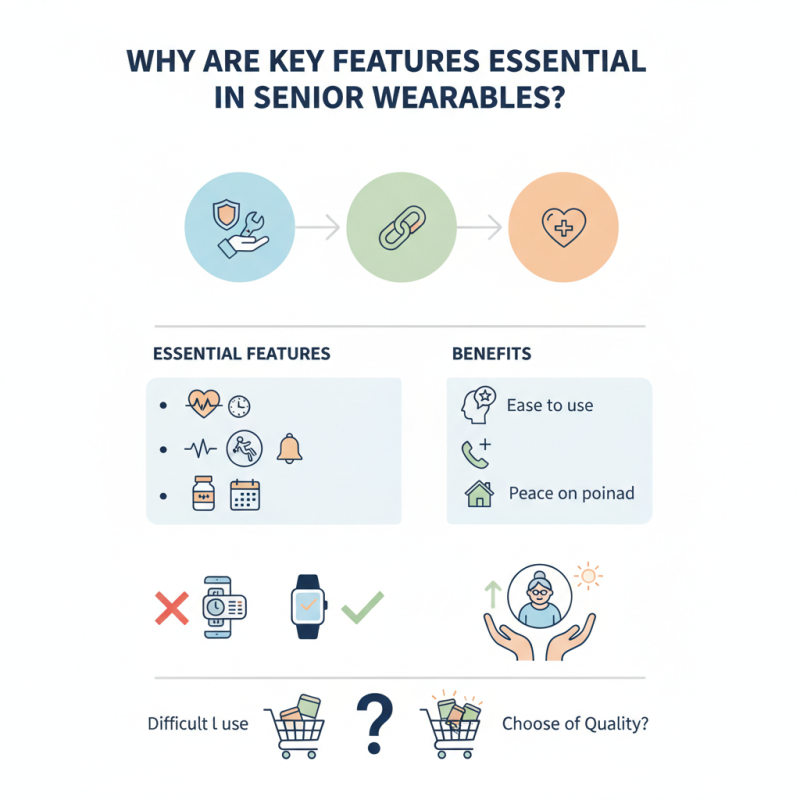
Why Are Key Features Essential in Senior Wearables?

Importance of Key Features in Senior Wearables

In the world of senior wearables, key features play a vital role in enhancing the user experience. Seniors often face unique challenges, such as declining vision and cognitive abilities. Devices tailored for their needs must address these issues effectively. For instance, large buttons and simple interfaces can significantly reduce frustration when using technology. Wearables that offer real-time health monitoring, like heart rate and fall detection, empower seniors by providing safety and peace of mind.

Moreover, communication features in these devices can bridge the gap between seniors and their families. Notifications about medication schedules or emergency alerts foster independence while ensuring support is always nearby. However, not every feature resonates with every user. It’s essential to gather feedback and adapt designs according to real user experiences. Some may find excessive features overwhelming. Thus, simplifying options can foster a more positive engagement with technology. Innovation must align with usability, striking a balance that can be challenging to achieve.

Engaging seniors in the design process can be enlightening. Their insights reveal what truly matters in functionality. Combining advancements in technology with user-centric design is crucial. Learning from these interactions, we can create devices that not only meet basic needs but truly enhance the daily lives of seniors.

Factors Influencing the Selection of Wearable Technology for Seniors

When selecting wearable technology for seniors, various factors come into play. The aging population increasingly seeks devices that offer health monitoring, ease of use, and safety features. A recent report from the International Data Corporation highlights that 78% of seniors prefer wearables with health data tracking capabilities. This trend underscores the importance of key features that resonate with their needs.

User-friendly interfaces are crucial. Many older adults struggle with complex technology. A device that is intuitive can significantly enhance user experience. Studies show that 65% of seniors abandon gadgets due to usability issues. Ensuring clear displays and straightforward navigation can help retain users and promote regular use.

**Tips:** When choosing a wearable, consider one with large buttons and voice command features. Look for devices that offer fall detection or emergency alerts, as these features can provide peace of mind. It's essential to evaluate products based on real-world feedback. Older adults want solutions that genuinely enhance their lives, not gadgets that complicate them.

Key Health Monitoring Capabilities Benefiting Older Adults

As the population ages, wearable technology has become a vital tool for monitoring health in older adults. These devices offer key features such as heart rate monitoring, fall detection, and activity tracking. Heart rate monitoring helps detect irregularities, enabling timely medical interventions. A sudden spike or drop in heart rate can indicate serious health issues.

Fall detection is another essential feature. Many older adults face mobility challenges, increasing the risk of falls. Wearables equipped with this technology can automatically alert caregivers or emergency services when a fall occurs. This rapid response can significantly increase safety and peace of mind for both the individual and their family.

While these wearables provide numerous benefits, they have limitations. Not all devices capture the full range of health data. User interface complexity may hinder older adults from utilizing them. Additionally, some people may find it difficult to adapt to new technology. Continuous feedback from users can help improve these devices. Understanding the specific needs of older adults is crucial for creating effective solutions in health monitoring.

Why Are Key Features Essential in Senior Wearables? - Key Health Monitoring Capabilities Benefiting Older Adults

Feature Description Benefits Importance Level
Heart Rate Monitoring Continuously monitors heart rate for real-time tracking. Helps detect irregularities, enabling early intervention. High
Fall Detection Automatically detects falls and alerts emergency contacts. Reduces time to receive help after a fall. High
Medication Reminders Sends reminders for medication schedules. Improves adherence to medication plans. Medium
Sleep Tracking Monitors sleep patterns to assess sleep quality. Promotes better understanding of health through sleep analysis. Medium
Emergency SOS Allows users to send an emergency alert with location. Provides peace of mind and a direct line to help. High

User-Friendly Interfaces: Enhancing Usability for Seniors

User-friendly interfaces play a vital role in the effectiveness of senior wearables. Studies show that up to 70% of seniors may experience difficulties in using technology due to complex designs. Clear icons and straightforward navigation are essential. A report by the Pew Research Center highlights that 60% of older adults prefer devices with simplified functionality. This preference underscores the importance of enhancing usability.

The design must cater to physical limitations. Larger screens, high-contrast colors, and audible feedback can significantly improve accessibility. A study conducted by the University of Texas indicates that seniors with visual impairments benefit from customizable display options. Furthermore, interactivity should be intuitive, allowing seniors to engage without frustration. Notably, even small errors in design can lead to avoidance of technology altogether.

A critical area for reflection is the ongoing challenge of user education. Many seniors report feeling overwhelmed when first using wearables. They need proper guidance to instill confidence in their abilities. This knowledge gap reveals a need for brands to offer practical resources. Creating supportive ecosystems of learning can foster greater adoption and reliance on wearable technology. The balance between innovation and usability remains pivotal for success.

The Role of Safety Features in Senior Wearables' Effectiveness

Safety features are critical in senior wearables. Older adults often face unique health risks. Reports indicate that falls are the leading cause of injury among seniors, with about 36 million falling annually in the U.S. This makes effective safety features essential in wearables. Immediate alerts can save lives.

Emergency response systems are one such feature. They provide quick access to help during a crisis. A study found that wearables with this capability reduced emergency response times by 50%. Additionally, fall detection technology is crucial. Sensors can identify falls and automatically alert caregivers. This proactive approach enhances the safety of users.

However, not all devices are created equal. Some may have reliability issues. A report highlighted that 30% of users find their devices inaccurate in tracking health metrics. Such shortcomings can undermine trust. Continuous improvements are necessary. Ensuring that safety features function properly is vital. Users must feel confident in their wearables. Test results should be transparent. This builds trust and encourages wider adoption. Senior wearables must prioritize safety, as lives depend on them.

FAQS

: What are key features important for senior wearables?

: Key features include large buttons, simple interfaces, and real-time health monitoring for safety.

Why are user-friendly interfaces crucial for seniors?

User-friendly interfaces help seniors navigate technology easily, reducing frustration and improving overall experience.

What percentage of seniors struggle with complex technology?

Studies show that about 70% of seniors face difficulties due to complex designs in technology.

How can communication features in wearables help seniors?

Communication features, like medication alerts, promote independence and ensure family support is close by.

What common design aspects benefit seniors with visual impairments?

Larger screens, high-contrast colors, and customizable options can greatly enhance accessibility for seniors.

What do seniors need when first using wearables?

Many seniors need proper guidance and education to build confidence in using wearable technology.

Why is it essential to gather user feedback in design?

Feedback helps designers know what features work and what may feel overwhelming for users.

What challenges do seniors face when using technology?

Seniors often experience frustration due to complex interfaces and insufficient support resources.

How important is intuitive interactivity in wearables?

Intuitive interactivity allows seniors to engage with devices easily, avoiding frustration and promoting regular use.

What is a reflection point regarding user education?

There remains a significant knowledge gap, indicating a need for more resources to help seniors adapt to technology.

Conclusion

The article "Why Are Key Features Essential in Senior Wearables?" underscores the significance of several critical features in wearable technology designed specifically for older adults. It highlights that when considering what features are important in senior wearables, factors such as health monitoring capabilities, user-friendly interfaces, and safety measures play a pivotal role. Effective wearables should incorporate health monitoring tools to track vital signs, medication adherence, and overall wellness, all of which directly benefit seniors.

Moreover, user-friendly interfaces are essential to ensure that seniors can easily navigate the technology, while safety features such as fall detection and emergency alerts significantly enhance the effectiveness of these devices. By focusing on these key aspects, we can create wearables that not only meet the needs of older individuals but also empower them to maintain their independence and safety.

Mason

Mason

Mason is a seasoned marketing professional with a deep expertise in the company's offerings and a passion for driving brand awareness. With a strong background in digital marketing strategies, he has an innate ability to connect with diverse audiences and effectively communicate product benefits.......