In recent years, wearable safety devices have become crucial for enhancing personal and occupational safety. Many individuals and organizations are exploring what are the benefits of wearable safety devices. These gadgets can monitor health, track location, and even send alerts in emergencies. They are becoming a staple in various sectors, from construction to healthcare.
The advantages of these devices are notable. For instance, they can provide real-time data that aids in quick decision-making during crises. Workers in hazardous environments benefit greatly from alerts and tracking features. However, users must also consider potential downsides. Issues like data privacy and device reliability can raise concerns.
Understanding the balance between benefits and limitations is essential. As technology evolves, an informed choice about wearable safety devices can significantly impact safety outcomes. It is important to weigh these factors carefully.
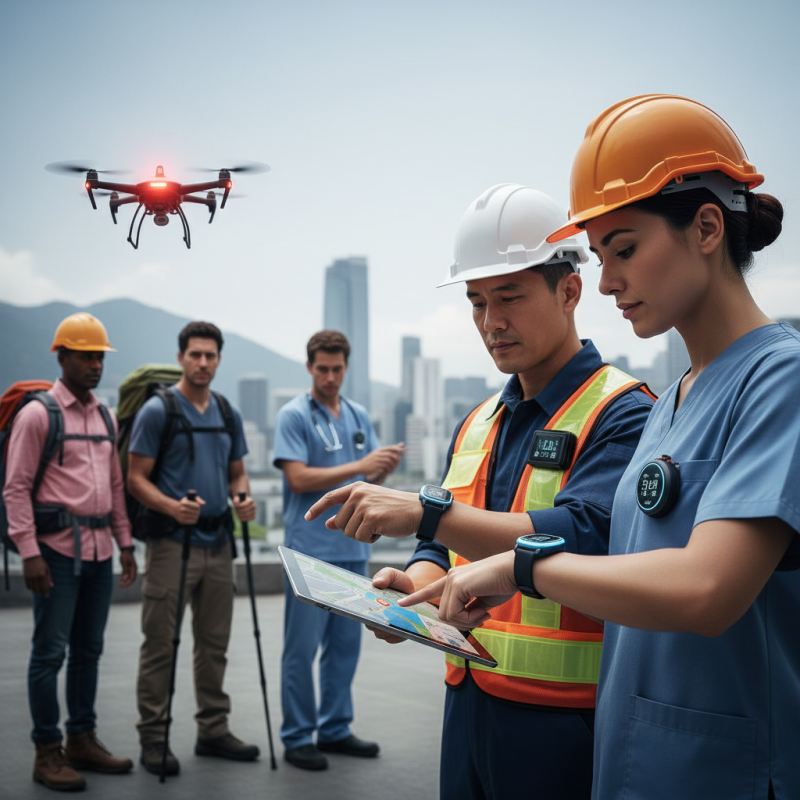
Wearable safety devices are becoming essential in today’s world. They are designed to keep users safe by monitoring their health and safety. These devices can track location, heart rate, and even send alerts in emergencies. With the rise of remote work and outdoor activities, the need for safety features has grown. It is vital to understand these devices’ functionality and their potential impact on personal safety.
The importance of wearable safety devices lies in their ability to provide real-time data. Users can access information instantly, allowing for prompt responses in emergencies. Many devices include features like fall detection or SOS alerts, which can be life-saving. However, not all devices are created equal. Some may lack accuracy or reliability. It is essential to research and choose devices that meet specific needs.
Reflecting on the importance of wearables means recognizing their limitations. User privacy is often a concern with these devices. Data may not always be secure, leading to possible breaches. People must weigh the benefits against these risks. Ensuring the safety of oneself and loved ones is crucial, but this comes with challenges that need careful consideration.
When selecting wearable safety devices, key features play a crucial role. One significant aspect is durability. Devices should withstand harsh environments. Look for products designed to resist dust, moisture, and impacts. These factors can determine a device's longevity, especially in demanding work conditions.
Another vital feature is the battery life. Long-lasting power ensures continuous monitoring. It's essential to choose devices that require minimal charging. Regular interruptions can compromise safety. Additionally, consider the connectivity options available. Reliable communication with emergency services increases the effectiveness of these devices.
The accuracy of health monitoring is also critical. Many wearable devices track vital signs, such as heart rate and body temperature. However, not all devices provide precise readings. Conducting thorough research and reading user reviews can shed light on performance. Lastly, think about comfort and design. A device should be practical and user-friendly. An uncomfortable wearable may be neglected, defeating its purpose.
| Feature | Importance | Example Use Case | Considerations |
|---|---|---|---|
| GPS Tracking | High | Outdoor workers in remote areas | Ensure accuracy and coverage in the area |
| Fall Detection | Critical | Construction sites | Must be sensitive enough to detect real falls |
| Health Monitoring | High | Teams with health risks | Look for accuracy and range of health metrics |
| Emergency Alerts | Essential | Lone workers in hazardous environments | Evaluate response time and notification systems |
| Durability | Very Important | Industrial and construction use | Check IP ratings and material strength |
| Battery Life | Important | Long shifts and remote use | Consider charging options and times |
Wearable safety devices are increasingly vital across various industries. In healthcare, these devices monitor vital signs in real time. A nurse can quickly detect a patient’s deteriorating condition. Industries such as construction benefit as well. Workers can wear devices that alert them to hazardous conditions. This reduces accidents and enhances worker safety.
The integration of wearable technology is not without challenges. Some devices may not function optimally in extreme environments. For example, moisture can interfere with performance on a construction site. In healthcare, staff training is crucial. Providers must understand how to interpret data accurately. Misinterpretation can lead to serious consequences.
Considering the benefits and limitations requires careful analysis. Companies need to evaluate specific needs before implementation. The effectiveness of these devices varies by industry and specific application. Understanding these nuances ensures a more tailored and effective approach to safety.
Wearable safety devices are rapidly evolving, and their integration with existing safety systems is crucial. Industry reports indicate that workplaces implementing these devices saw a 30% reduction in accidents over four years. Compatibility with current systems is essential to maximize benefits. Organizations must evaluate whether devices can communicate with established infrastructure. It's not a simple task. Many companies struggle with device interoperability, leading to potential gaps in safety coverage.
A study from the National Institute for Occupational Safety and Health (NIOSH) emphasizes the importance of seamless integration. Devices that cannot connect with established communication networks may hinder emergency responses. A mismatch between new and legacy systems can cause delays, which can have severe consequences. Careful assessment of existing technologies is necessary before deployment.
Moreover, user feedback is critical. Employees may resist using devices if they're cumbersome or intrusive. A report by the Occupational Safety and Health Administration (OSHA) suggests involving workers in the selection process enhances acceptance. Ultimately, organizations must balance safety innovation with practicality. Addressing these challenges is essential for effective safety management.
When selecting wearable safety devices, user comfort and ease of use are critical factors. A device that feels bulky or uncomfortable can deter regular use. Consider materials that are lightweight and breathable to enhance comfort during prolonged wear. Flexibility in design can also make a significant difference, allowing users to engage in their daily activities without restriction.
Choose devices with simple interfaces. Users should navigate through features effortlessly. Complicated menus can lead to frustration and underutilization. Touchscreen options should have responsive operations. Buttons should be easily accessible, even when wearing gloves. This ensures users can react quickly in emergencies.
Tips for selection:
- Look for adjustable straps for a custom fit.
- Ensure the device has an intuitive app for data tracking.
- Get feedback from potential users about design and functionality.
This impacts their willingness to adopt the technology. It’s essential to consider usability tests during the selection phase. Evaluate how different designs impact daily life. Make comfort and simplicity non-negotiable features in your decision-making process.
: Wearable safety devices monitor health and safety. They track location, heart rate, and send emergency alerts.
They provide real-time data for immediate responses. Features like fall detection can be life-saving.
Think about durability, battery life, and comfort. The device should withstand harsh environments and be user-friendly.
No, some devices may lack accuracy. It's vital to research products and read user reviews before purchasing.
User privacy is a concern. Data may not always be secure, leading to potential breaches.
Yes, but their effectiveness varies. Healthcare and construction can benefit, but training and conditions matter.
They may not function well in extreme conditions. Misinterpretation of data can have serious consequences.
Long-lasting battery life ensures continuous monitoring. Frequent charges can reduce safety effectiveness.
Yes, reliable communication with emergency services is crucial for effectiveness. Consider connectivity features when choosing.
An uncomfortable device may be neglected. This defeats its purpose in ensuring user safety and monitoring.
Wearable safety devices have become increasingly important in ensuring the safety and well-being of individuals across various industries. These devices offer a range of features, such as real-time monitoring, GPS tracking, and health metrics, which enhance workplace safety and response times during emergencies. When evaluating what are the benefits of wearable safety devices, it's essential to consider their impact on risk reduction, employee safety, and overall productivity.
In addition to the key features, compatibility with existing safety systems is crucial for seamless integration. User comfort and ease of use should also be prioritized to encourage their adoption. By carefully assessing these factors, organizations can successfully implement wearable safety devices that not only protect their workforce but also foster a culture of safety and responsibility in the workplace.

TC Health