How GPS Tracking Enhances Safety for the Elderly in 2026?

Time:2026-08-01 Author:Madeline
0%

In 2026, the importance of how GPS tracking helps elderly safety has never been more evident. According to a recent AARP report, nearly 80% of seniors express concerns about their safety while living independently. GPS technology provides a proactive solution, allowing families to track their loved ones without invasive measures. This capability fosters peace of mind for caregivers and family members.

Data from the National Institutes of Health indicates that falls are a leading cause of injury among older adults, with rates expected to rise. GPS tracking devices equipped with fall detection can alert emergency services promptly, saving precious minutes. This integration of technology can fundamentally change how we approach elder care, but challenges remain. Some seniors may resist using these devices, fearing loss of privacy and autonomy.

As we reflect on the advancements, it is vital to ensure that technology remains user-friendly and widely accessible. The journey towards enhanced safety for the elderly is complex, yet promising. By embracing how GPS tracking helps elderly safety, we pave the way for a future where independence and security coexist harmoniously.
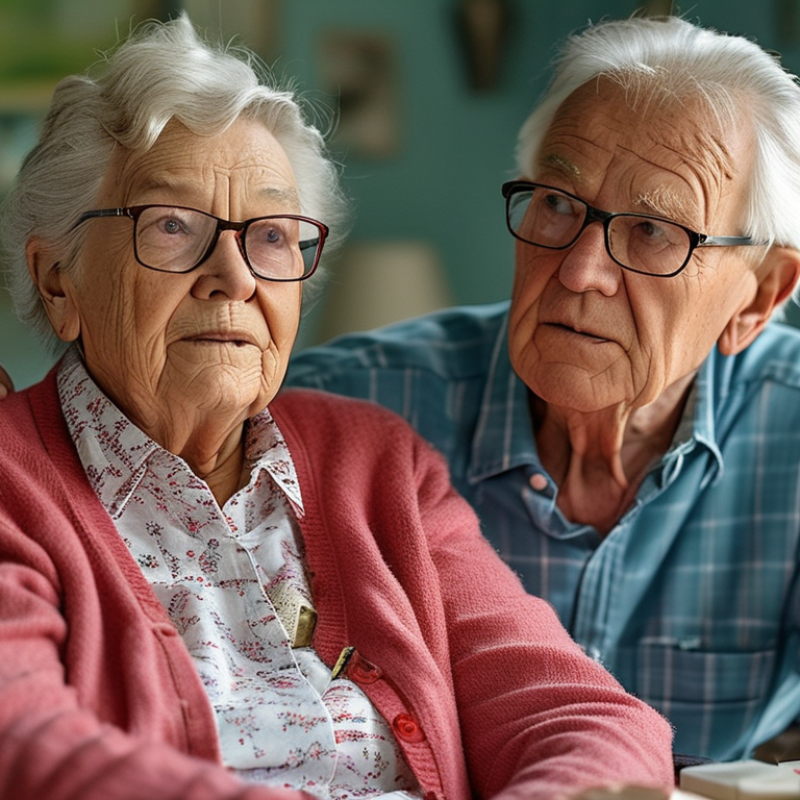
How GPS Tracking Enhances Safety for the Elderly in 2026?

The Role of GPS Tracking in Senior Safety Enhancements in 2026

In 2026, GPS tracking technology has made significant strides in enhancing the safety of elderly individuals. According to a report by the National Institute on Aging, about 1 in 10 seniors experience some form of cognitive decline. This often makes them vulnerable to wandering or getting lost. GPS devices provide real-time tracking, allowing caregivers to monitor their whereabouts with ease.

Recent studies indicate that 85% of caregivers feel more secure knowing they can locate their loved ones instantly. This technology can alert caregivers if a senior strays outside a designated area. It bridges the communication gap and offers peace of mind. However, reliance on technology also raises concerns. Some seniors may feel uncomfortable being tracked, leading to a sense of loss of independence.

Moreover, there are challenges in the accuracy of GPS devices. Areas with poor signal reception can lead to false alarms, increasing caregiver anxiety. A survey showed that nearly 25% of users reported issues with location precision. Thus, while GPS provides essential safety features, it is crucial to balance technology use with emotional well-being and autonomy. Finding this balance may require open conversations about technology and personal independence.

Impact of GPS Tracking on Elderly Safety Enhancements in 2026

Technological Advancements in GPS Tracking for Elderly Care

In 2026, GPS tracking technology has significantly improved elderly care. Advanced systems now offer real-time location monitoring. This means caregivers can quickly locate seniors who may wander. Enhanced sensors provide alerts when individuals enter or leave specific areas. These features greatly enhance safety and peace of mind for families.

Tips for using GPS tracking effectively:

  • Set clear boundaries. Determine safe zones, like homes or parks, and program them into the device.
  • Regularly check the tracking system for updates.
  • Ensure the device is always charged and functional.
  • Encourage seniors to wear the device comfortably. It should feel like a normal accessory, not a burden.

However, GPS technology is not foolproof. False alarms may occur, which can be frustrating. There is also the potential for technical glitches. Caregivers should find a balance between technology reliance and personal interactions. Always communicate with the elderly about the purpose of the device. This fosters trust and acceptance, crucial for effective use.

Real-Time Monitoring and Emergency Response in Senior GPS Solutions

In 2026, GPS tracking technology plays a crucial role in enhancing safety for the elderly. Real-time monitoring ensures that family members stay informed about their loved ones' movements. This feature provides peace of mind for caregivers. They can track the elderly relative's whereabouts accurately and intervene when needed. It fosters a sense of security, enabling seniors to maintain their independence safely.

Emergency response is another key aspect of senior GPS solutions. In case of a fall or sudden health issue, immediate alerts can be sent to caregivers or emergency services. Quick responses can make a significant difference in critical situations. Despite these advances, it's essential to remember that technology can fail. Battery drains or signal loss can occur. Users must remain engaged and check devices regularly.

Lastly, while GPS tracking offers many benefits, it also raises questions about privacy. Some seniors may feel uncomfortable being constantly monitored. It's crucial for families to have open conversations about these concerns. Balancing safety with autonomy is not always straightforward. Understanding each individual's preferences is key to making the right choices.

How GPS Tracking Enhances Safety for the Elderly in 2026? - Real-Time Monitoring and Emergency Response in Senior GPS Solutions

Feature Description Benefits Use Case
Real-Time Location Tracking Continuous monitoring of the elderly's whereabouts using GPS technology. Ensures family members can always know the location of seniors. A caregiver can track their client's location during outings.
Emergency Alerts Automatic alerts sent to caregivers or emergency services when a fall is detected. Faster response times in emergency situations. A senior falls at home, triggers an alert to their emergency contacts.
Geo-Fencing Setting virtual boundaries that alert caregivers when the user leaves a designated area. Prevents wandering and ensures the safety of seniors with dementia. Automatically notified if a senior wanders outside their neighborhood.
Two-Way Communication Built-in options for seniors to communicate directly with caregivers or emergency services. Enhanced reassurance and connectivity for seniors. Able to contact help immediately in case of a distress situation.
Activity Monitoring Tracking daily activities and movement patterns to detect any changes. Identifies health issues or changes in behavior early on. Recognizing a decline in activity levels to schedule health check-ups.

Case Studies: Successful GPS Tracking Implementations for Elderly Safety

In 2026, the implementation of GPS tracking for the elderly has seen significant success in enhancing safety. According to a report from the National Institute on Aging, around 78% of seniors feel safer with GPS tracking devices. These tools provide real-time location data, allowing caregivers to respond quickly in emergencies. Case studies from various communities highlight how these systems prevent wander-related incidents, which can be especially dangerous for individuals with dementia.

One notable example is a community in Florida where GPS trackers reduced missing person cases by over 50%. This dramatic decrease not only alleviated anxiety for families but also allowed local authorities to focus on other pressing issues. However, the reliance on technology is not without challenges. Some seniors struggle with understanding how to use these devices, leading to frustration. Training sessions that teach proper use are essential, yet not always implemented effectively.

Another case in Massachusetts showcased the integration of GPS tracking within community programs. While the project reportedly improved response times, it also raised concerns about privacy among users. Many seniors expressed discomfort with having their movements monitored constantly. This highlights the importance of finding a balance between safety and personal freedom. Creating a supportive environment where technology enhances safety without compromising independence is crucial for future developments.

Future Implications of GPS Technology on Aging Population Care

GPS technology is rapidly transforming elder care. In 2026, it will become a vital tool for enhancing safety. A report by the Pew Research Center predicts that 80% of elderly people will have access to smartphones. This means more seniors can benefit from GPS tracking. It enables families to monitor loved ones in real time.

The potential of GPS in elderly care is profound. According to a study by the National Institute on Aging, 47% of older adults experience wandering. GPS devices can alert caregivers when someone has strayed beyond a pre-set boundary. This can ease the minds of family members. However, is constant tracking invasive? Balancing safety and privacy remains a critical discussion.

Integration of GPS will also improve emergency response. When an elderly person falls, GPS devices can quickly send alerts to caregivers. A report from AARP highlights that 70% of seniors prefer to age in place. With GPS, they can do so safely. Yet, technology adoption has its challenges. Not all seniors are tech-savvy. Training and support will be key to effective use.

FAQS

: What is the importance of GPS tracking for seniors in 2026?

: GPS tracking significantly enhances safety by allowing caregivers to monitor seniors' locations in real time.

How does GPS technology improve caregiver security?

Approximately 85% of caregivers feel safer knowing they can locate loved ones instantly through GPS devices.

What challenges do GPS devices present for seniors?

Some seniors may feel uncomfortable being tracked, experiencing a loss of independence.

Are there accuracy issues with GPS devices?

Yes, nearly 25% of users reported problems with location precision, raising concerns about false alarms.

How can caregivers use GPS tracking effectively?

Caregivers should set clear boundaries, check device functionality regularly, and encourage comfortable use for seniors.

What role does communication play in using GPS tracking?

Open discussions about the device’s purpose foster trust and acceptance among seniors.

Can GPS devices assist in emergencies?

Yes, they can alert caregivers quickly if an elderly person falls or wanders outside a safe zone.

What is the potential future reach of GPS technology among seniors?

By 2026, 80% of seniors may have smartphones, enhancing access to GPS tracking benefits.

Are there emotional considerations with using GPS?

Caregivers must balance the need for safety with respect for seniors' privacy and autonomy.

What training is necessary for effective GPS use?

Some seniors may need support and training to navigate the technology comfortably.

Conclusion

In 2026, GPS tracking technology plays a pivotal role in enhancing safety for the elderly, offering innovative solutions that address various challenges faced by this demographic. The advancements in GPS tracking for elderly care have led to the development of real-time monitoring systems that provide immediate alerts during emergencies. This capability not only helps caregivers respond promptly but also ensures that elderly individuals maintain independence while feeling secure.

Case studies highlight successful implementations of GPS tracking solutions, demonstrating how GPS tracking helps elderly safety by allowing families to stay connected and informed about their loved ones’ well-being. Looking ahead, the implications of these technological advancements suggest a significant improvement in the quality of care for the aging population, further solidifying GPS tracking as a valuable tool in promoting senior safety and peace of mind.

Madeline

Madeline

Madeline is a dedicated marketing professional with a wealth of expertise in our company's core offerings. With a keen understanding of the industry, she brings a unique perspective to her role, consistently delivering high-quality content that highlights the superior aspects of our products. As......