As more seniors choose to live independently, the question arises: how to ensure safety for elderly living alone? Their independence brings both joy and challenges. Safety concerns are prevalent among families and caregivers. Falls, medical emergencies, and isolation are just a few issues they may face.
To effectively protect seniors, a proactive approach is essential. Simple modifications to the home can prevent accidents. Installing grab bars in bathrooms and ensuring adequate lighting can make a significant difference. Additionally, emergency contact systems provide peace of mind for both seniors and their loved ones.
Beyond physical safety, social interaction plays a vital role. Regular visits from family, neighbors, or community groups can combat loneliness. Encouraging seniors to engage in local activities fosters connections. However, relying solely on scheduled visits may not be enough. Evaluating each senior’s unique needs is crucial for effective support.
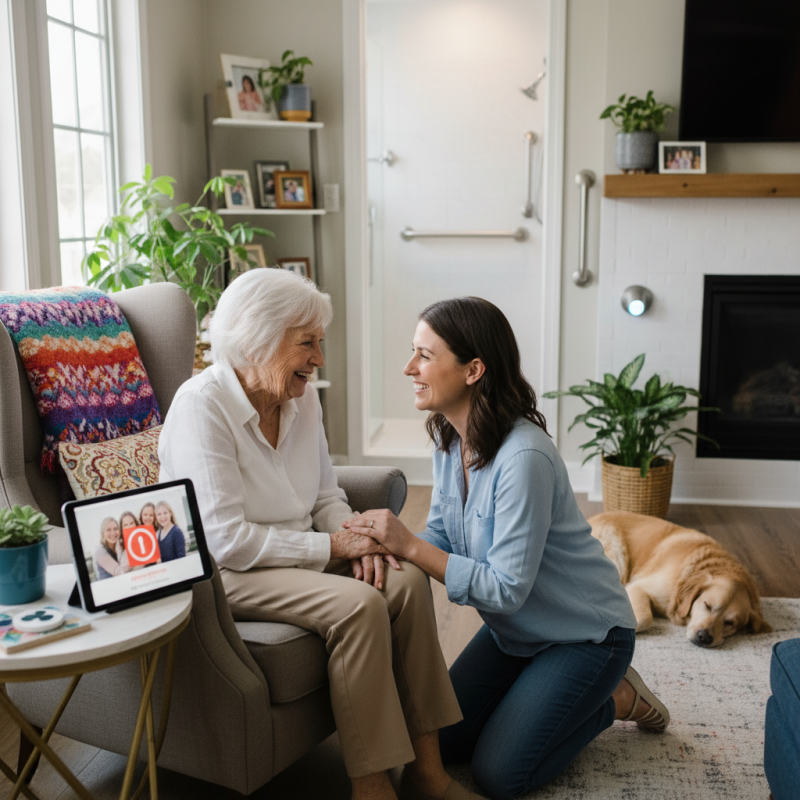
Assessing home safety risks for seniors living alone is vital. According to the CDC, falls are the leading cause of injury in older adults. Approximately 29% of seniors experience falls each year. Many of these incidents occur within their homes, highlighting the need for thorough assessments.
Stairs, loose rugs, and inadequate lighting present significant dangers. Installing grab bars in the bathroom can reduce fall risks. Improving visibility with brighter lights can help seniors navigate their homes safely. Additionally, clutter can obstruct pathways, increasing the chances of accidents. Regularly decluttering can minimize these hazards.
The National Institute on Aging emphasizes that 80% of home accidents could be prevented with proper modifications. Simple changes, like securing loose wires and ensuring that frequently used items are within reach, significantly improve safety. Regular check-ins by family or neighbors can also help identify new risks. Being aware of these aspects can foster a safer environment for older adults.
As more seniors live independently, ensuring their safety at home is vital. Technology can play a crucial role. From surveillance cameras to smart alarms, technology enhances security. Many systems offer 24/7 monitoring, giving families peace of mind. Simple alerts can notify loved ones in case of emergencies.
Home sensors can detect unusual movements. If a senior falls or becomes unresponsive, these systems trigger immediate alerts. Voice-activated assistants can provide help without needing to press buttons. This can be essential for seniors with mobility issues.
However, reliance on technology isn’t flawless. Some seniors may struggle with devices. Training is needed for effective usage. Regular check-ups on the devices’ functionality are essential. Not all technology is user-friendly, and frustration can arise. Balancing technology with personal interactions remains key.
Creating an emergency plan tailored for seniors is crucial in ensuring their safety at home. Start by identifying potential risks. Are there stairs that could lead to falls? Does the senior live alone in a remote area? Local emergency services should be noted for quick access. Create a contact list with family, friends, and neighbors who can help if needed. Accessibility is vital; ensure they can reach these contacts easily.
Emergency drills can be effective. Practice what to do in various scenarios, such as a fire or medical emergency. Keep emergency supplies easily accessible. This includes a phone, flashlight, and first-aid kit. Consider setting reminders for essential tasks, like checking smoke alarms or taking medications.
Engaging the senior in conversations about their feelings can uncover hidden fears. Some may hesitate to call for help. Understanding these emotions leads to better solutions. Regularly review and update the plan with the senior's input. Make it a living document, reflecting their changing needs. This approach strengthens trust and ensures their voice is heard in their safety preparations.
Creating a support network for seniors living alone is essential. Family and neighbors can provide emotional, social, and practical support. Regular phone calls or visits can lift their spirits. Sometimes, just knowing someone cares can make all the difference.
Encouraging neighbors to check in periodically is vital. This simple act fosters connection and vigilance. Neighbors can share their contact information and assure seniors they'll be available in times of need. Organizing small community gatherings can also help strengthen these bonds.
It’s important to address the need for organization. Not every family member may live close by. Setting up a shared communication system can help. A group chat or a shared calendar allows for easy coordination among support network members. This can also serve as a reminder for regular check-ins. Some may struggle with this technology, so patience is necessary. Building such a network takes time and effort, but the benefits are invaluable.
| Dimension | Details |
|---|---|
| Emergency Contact List | A list of family members, friends, and neighbors who can be contacted in case of an emergency. |
| Regular Check-Ins | Scheduled phone calls or visits from family or friends to ensure well-being. |
| Local Community Resources | Information about nearby senior centers or support groups that offer assistance. |
| Home Safety Assessments | Evaluate and modify the home environment to reduce fall risks and other hazards. |
| Transportation Assistance | Arranging rides with friends or local services to ensure access to appointments and groceries. |
| Technology Use | Encouraging the use of smartphones or tablets for emergency contacts and video calls. |
| Meal Preparation | Coordinating with family or local services for meal delivery or cooking assistance. |
Living alone can be both empowering and isolating for seniors. Encouraging healthy habits is essential to ensure their well-being. Simple daily routines can promote both physical and mental health. For example, setting aside time for light exercise can enhance mobility. Engaging in activities like gardening or walking can improve mood and increase energy levels.
Regular check-ins are equally important. Family members or friends can schedule weekly calls or visits to keep in touch. This connection helps combat loneliness and provides emotional support. It’s crucial to assess how the senior feels and if they need assistance with daily tasks. Learning about their routines can lead to deeper conversations about their needs.
Offering a calendar to track appointments and social events can give seniors a sense of purpose. However, reminders should be gentle to avoid overwhelming them. As relationships deepen, it can be beneficial to openly discuss any challenges faced at home. This promotes transparency and encourages healthy habits through shared experiences. Regular communication nurtures their independence while ensuring they feel safe and cared for.
: Falls are the leading cause of injury. Stairs, loose rugs, and poor lighting contribute significantly.
Install grab bars, improve lighting, and declutter pathways. Simple changes make a difference.
Surveillance cameras and smart alarms improve security. Home sensors can detect falls and unusual movements.
Yes, not all seniors are comfortable with devices. Training is necessary, and regular check-ups help maintain functionality.
Identify risks and create a contact list. Practice emergency drills and keep supplies easily accessible.
Engaging them uncovers hidden fears and needs. It ensures their voice is heard and increases trust.
Regularly review and update the plan with the senior’s input. Their needs might change over time.
Secure loose wires, place frequently used items within reach, and ensure pathways are clear.
Yes, family or neighbors can identify new risks and support seniors in safe living.
Not all technology is user-friendly. Frustration can arise, and balancing tech with personal interaction is important.
Ensuring safety for elderly living alone is a critical concern that involves several proactive measures. First, assessing home safety risks is essential; this includes checking for hazards such as loose rugs, inadequate lighting, and inaccessible areas. By identifying these risks, necessary modifications can be made to create a safer living environment.
In addition to physical adjustments, implementing technology solutions like emergency alert systems can significantly enhance security. Creating a personalized emergency plan tailored for seniors helps prepare them for unexpected situations. Establishing a support network with family and neighbors fosters a sense of community and ensures that seniors have someone to rely on in emergencies. Finally, encouraging healthy habits and regular check-ins can promote overall well-being and reassurance, ultimately contributing to how to ensure safety for elderly living alone.

TC Health