Health monitoring devices play a crucial role in the well-being of the elderly. Dr. Sarah Thompson, a leading geriatrician, states, "These devices empower seniors to manage their health proactively." Understanding why elderly people need health monitoring devices is vital in today’s aging society.
As people age, they often experience chronic conditions. Health monitoring devices can track vital signs, medication adherence, and daily activities. For example, a simple heart rate monitor alerts caregivers to potential issues before they escalate. This proactive approach can reduce hospitalizations and improve quality of life.
However, adoption is not without challenges. Some seniors may resist using technology due to unfamiliarity or fear. Additionally, privacy concerns may arise when data is shared with healthcare providers. Balancing convenience with these concerns is essential. Educating the elderly about the benefits of health monitoring devices can bridge this gap, fostering independence while ensuring safety. Ultimately, these devices can be transformative, but their success depends on thoughtful implementation and support.
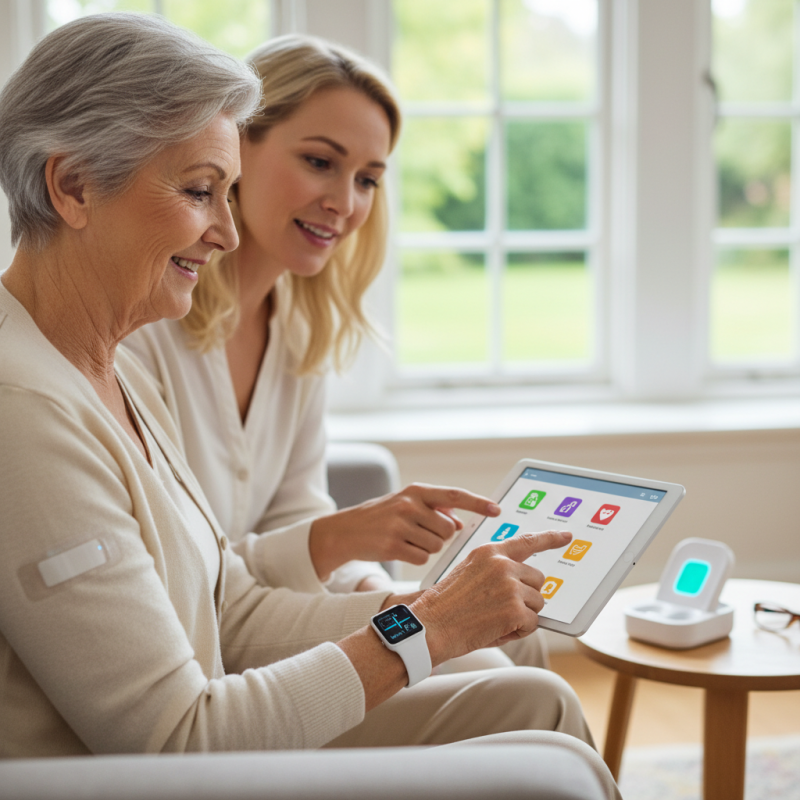
The Importance of Health Monitoring Devices for the Elderly
Health monitoring devices play a crucial role in the lives of elderly individuals. Reports indicate that nearly
80% of older adults have at least one chronic condition, such as
heart disease or diabetes. Effective monitoring can help manage these conditions better. These devices allow for
real-time tracking of vital signs. Through continuous observation, caregivers can detect any abnormalities quickly.
Moreover, technology helps in reducing hospital visits. A study by the American Journal of Geriatric Medicine found that elderly patients who used health monitoring devices experienced
30% fewer hospital admissions. These tools also empower seniors to take control of their health. However, some older adults are hesitant to adopt new technology.
This reluctance can lead to missed opportunities for better health outcomes.
The use of these devices can foster a sense of independence among the elderly. Having access to immediate health data provides peace of mind for both seniors and their families.
However, there are challenges. Not all devices are user-friendly. Seniors may struggle with complex interfaces.
Addressing these concerns is essential for promoting usage.
The ongoing development should focus on simplicity and reliability.
Key Health Risks Faced by the Elderly Population
As people age, their health risks increase significantly. Chronic diseases like heart disease, diabetes, and arthritis become more common. The Centers for Disease Control and Prevention (CDC) reports that nearly 80% of older adults live with at least one chronic condition. This statistic highlights the need for vigilant health monitoring.
Mobility issues often accompany aging. Falls are a leading cause of injury among older adults, with the National Council on Aging noting that one in four seniors experiences a fall each year. These incidents can lead to severe complications, including hospitalization and long-term care. Health monitoring devices can provide real-time data on the user’s activities and alert caregivers or family members when there are concerning trends.
Mental health is another critical area. The World Health Organization states that depression affects around 7% of the elderly population. Many do not receive adequate care. Devices that track emotional well-being and physical activity can help identify loneliness or despair. This proactive approach can encourage timely interventions, ultimately improving overall health outcomes for older adults.
How Health Monitoring Devices Function
Health monitoring devices play a crucial role for the elderly. These devices help track vital signs such as heart rate, blood pressure, and glucose levels. This technology allows caregivers to receive real-time data, ensuring timely interventions when necessary. Some devices use wearables that can easily be strapped to the wrist or placed in clothing. They simplify health tracking and support independence among seniors.
The functionality of these devices varies. Many connect to smartphones or computers, providing easy access to health data. Sensors monitor changes and alert users or their caregivers about potential health issues. Data transfer is often seamless, allowing medical professionals to analyze trends over time. However, not every device is user-friendly. Some may have complex interfaces that confuse elderly users. There's always room to improve accessibility.
Reliability remains a concern. Health devices depend on stable internet connections for data accuracy. A signal failure might lead to missed alerts. Also, the user must regularly wear or interact with these devices for effective monitoring. This presents challenges for those who struggle with technology. The balance of innovation and usability is essential to truly meet the needs of the elderly.
Benefits of Using Health Monitoring Devices
Health monitoring devices play a crucial role in the well-being of elderly individuals. Recent studies show that around 80% of older adults have at least one chronic condition. These devices help manage health effectively. They monitor vital signs like heart rate, blood pressure, and oxygen levels. This real-time data empowers seniors to take charge of their health.
Using these devices can lead to early detection of health issues. For instance, according to the American Heart Association, regular monitoring can reduce cardiovascular events by 25%. Devices also offer reminders for medication, which is vital as adherence rates are often low among seniors. By addressing forgetfulness, these tools ensure that medications are taken on time.
While these devices have many benefits, challenges remain. Some elderly individuals struggle with technology. User-friendly designs are essential to encourage independent use. Moreover, reliance on technology can sometimes overshadow in-person care. Balancing both approaches is critical. Ensuring that health monitoring devices complement traditional healthcare can lead to better health outcomes without compromising personal connections.
Why Do Elderly People Need Health Monitoring Devices? - Benefits of Using Health Monitoring Devices
| Benefit |
Description |
Example Device |
| Improved Health Monitoring |
Health monitoring devices track vital signs and other health metrics, allowing for timely interventions. |
Heart Rate Monitors |
| Early Detection of Problems |
Continuous monitoring can alert caregivers and doctors to potential health issues before they become serious. |
Blood Pressure Monitors |
| Increased Independence |
Devices can empower seniors to manage their health at home, reducing the need for frequent doctor visits. |
Smartwatches |
| Enhanced Communication |
Health devices often come with features that facilitate communication with caregivers and family. |
Fall Detection Devices |
| Data Tracking and Management |
Allows for tracking of medical data over time, aiding in better healthcare decision making. |
Glucose Monitors |
Challenges and Considerations in Implementing Technology for Seniors
Health monitoring devices can greatly benefit the elderly. However, implementing these technologies comes with challenges. Many seniors may feel overwhelmed by new gadgets. They may lack experience with smartphones or tablets. This can lead to frustration and reluctance to engage.
When introducing technology, consider tailoring the approach.
Start with simple devices that have user-friendly interfaces. Avoid jargon in instructions. Provide one-on-one demonstrations to boost confidence. This can encourage seniors to embrace these tools.
Community programs can play a crucial role. They can offer training sessions for seniors. Building a supportive network is essential. Seniors need to feel empowered, not isolated. Encourage participation in groups where technology is discussed. This way, they can learn from each other’s experiences.
Conclusion
Health monitoring devices play a crucial role in the well-being of the elderly, addressing the question of why elderly people need health monitoring devices. As this population faces various health risks, including chronic conditions and mobility issues, these devices enable continuous health surveillance, helping to detect potential problems early. By monitoring vital signs and other health indicators, they provide valuable data that can assist caregivers and healthcare professionals in making informed decisions.
Despite the many benefits, the implementation of health monitoring technology for seniors presents challenges, such as the need for user-friendly designs and the overcoming of technological barriers. Education and support are essential for ensuring that elderly individuals can effectively utilize these devices. Ultimately, health monitoring devices serve not only to enhance the quality of care for the elderly but also to empower them with greater control over their health management.

 TC Health