Difference Between Smartwatch and Medical Alert Device?

Time:2026-05-28 Author:Madeline
0%

In recent years, wearable technology has gained widespread traction among consumers. The global smartwatch market is projected to reach $96.31 billion by 2027, indicating high demand and innovation in this sector. However, many people may wonder, "what is the difference between smartwatch and medical alert device?"

Smartwatches and medical alert devices serve distinct purposes despite some overlapping features. Smartwatches typically focus on fitness tracking and smartphone notifications. They come equipped with applications, sensors, and customizable interfaces. Conversely, medical alert devices prioritize personal safety and emergency response. These devices often include simple buttons for immediate assistance and may be connected to monitoring services.

Understanding the differences between these wearables is essential for consumers, especially seniors and caregivers making informed choices. While smartwatches offer advanced functionality, they may lack the targeted safety features found in medical alert devices. As technology evolves, the lines may blur, but it remains crucial to discern which device best meets your specific needs.
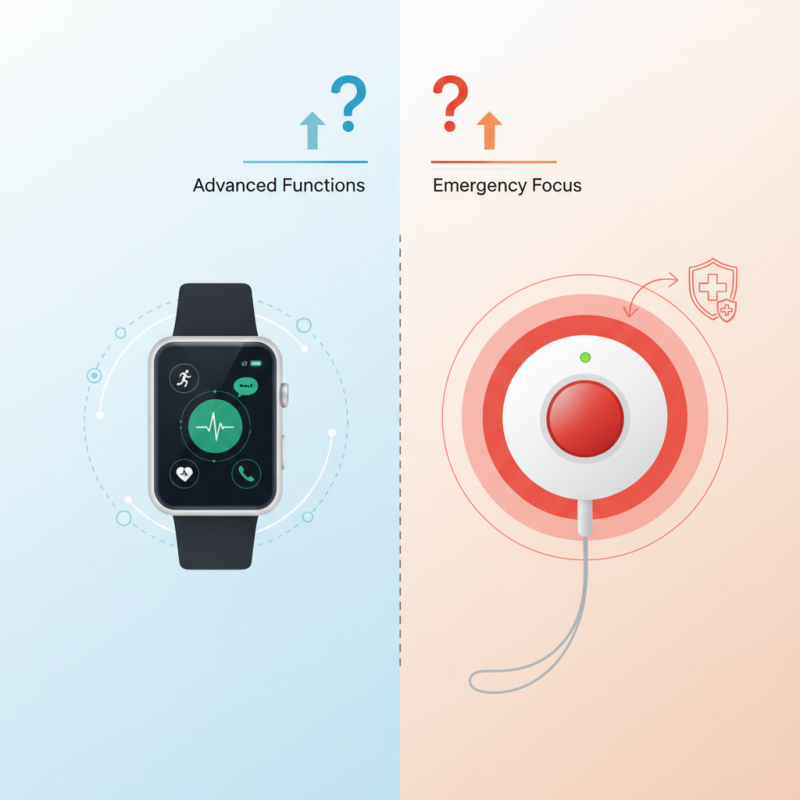
Difference Between Smartwatch and Medical Alert Device?

Definition of Smartwatch and Medical Alert Device

Smartwatches and medical alert devices serve different purposes. A smartwatch is a versatile gadget. It tracks fitness, monitors heart rate, and receives notifications. Its appeal lies in its blend of technology and convenience. Users enjoy accessing information on the go. The stylish design makes it a popular choice for many.

On the other hand, a medical alert device focuses on safety. It ensures quick communication during emergencies. These devices often include features like fall detection and emergency buttons. They provide peace of mind, especially for seniors or those with health conditions. However, some might find them less appealing due to their utilitarian design.

Both devices can enhance well-being, yet they have limitations. Smartwatches may not provide comprehensive medical monitoring. Medical alert devices lack the advanced features of smartwatches. Users should reflect on their individual needs. The choice between them isn't always clear-cut. Each device has its strengths and weaknesses, highlighting the importance of careful consideration.

Difference Between Smartwatch and Medical Alert Device

This chart compares the capabilities of Smartwatches and Medical Alert Devices across different dimensions. Smartwatches generally excel in fitness tracking and health monitoring, while Medical Alert Devices are more focused on emergency alerts and reliable operation in critical situations.

Key Features of Smartwatches vs. Medical Alert Devices

When comparing smartwatches and medical alert devices, the key features reveal significant differences. Smartwatches typically focus on fitness tracking, communication, and daily convenience. They offer heart rate monitoring, GPS tracking, and app integration. According to a report by Statista, the global smartwatch market is expected to reach $96 billion by 2027. This highlights their growing popularity in everyday life.

On the other hand, medical alert devices prioritize user safety and health monitoring. These devices are designed for emergency scenarios. They often include features like fall detection, 24/7 monitoring services, and direct alerts to medical professionals or emergency contacts. A study published in the Journal of Emergency Medical Services indicates that timely alerts can reduce response times by 30%. While smartwatches gather data, they lack immediate response capabilities found in medical alert devices.

It's important to reflect on the limitations of each device. Smartwatches may not deliver the immediate support needed in critical situations. Medical alert devices, while focused on safety, often lack the integration of lifestyle management features. This makes them less versatile for users seeking comprehensive health insights. Choosing the right device should involve careful consideration of personal needs and health priorities.

Difference Between Smartwatch and Medical Alert Device

Feature Smartwatch Medical Alert Device
Functionality Tracks fitness, notifications, apps Emergency alerts, health monitoring
Health Monitoring Heart rate, sleep quality Fall detection, medication reminders
Battery Life 1-2 days 5-7 days or more
Connectivity Bluetooth, Wi-Fi Cellular, GPS
User Target General public, fitness enthusiasts Elderly, those needing health assistance
Cost Range $200 - $800 $20 - $60/month subscription

Target Audience: Who Uses Smartwatches and Medical Alert Devices?

Smartwatches and medical alert devices serve different user needs. Smartwatches are popular among tech enthusiasts and fitness lovers. They offer health tracking, notifications, and apps. Users range from young adults to older individuals who enjoy monitoring their fitness.

Medical alert devices target seniors and those with health concerns. They provide emergency assistance and health monitoring features. Older adults who live independently benefit most. These devices bring peace of mind to users and their families.

Tips: If you’re looking for a smartwatch, consider your activity level. Choose one with fitness tracking if you exercise regularly. For medical alert devices, ensure they have a reliable emergency response feature. A good plan should include regular health monitoring options.

Benefits and Limitations of Smartwatches Compared to Medical Alert Devices

Smartwatches and medical alert devices serve different purposes. Smartwatches offer a variety of features. They track fitness, monitor heart rates, and provide notifications. However, when it comes to emergency situations, they might fall short. Their reliance on a paired smartphone can delay alerts.

Medical alert devices are designed for safety. They offer direct communication with emergency services. Often, they come with a simple button that users can press in emergencies. These devices are reliable and cater specifically to emergencies. Their limitation lies in fewer health tracking features compared to smartwatches.

Tips for choosing the right device: Assess your needs carefully. If fitness monitoring is essential, a smartwatch could suit you. Conversely, if safety is your top priority, consider a medical alert device. Always read reviews and gather insights from those who've used these devices. Making an informed choice can have a significant impact on your wellbeing.

Use Cases: When to Choose a Smartwatch Over a Medical Alert Device

When deciding between a smartwatch and a medical alert device, understanding their unique use cases is essential. A smartwatch offers various features, such as fitness tracking, notifications, and health monitoring. They are ideal for active consumers who want to manage their daily routines. For instance, if someone regularly jogs and enjoys music, a smartwatch can enhance their experience with GPS tracking and music controls.

Conversely, a medical alert device is specifically designed for emergency situations. It typically has a simple interface and can summon help with a single button press. This type of device is crucial for individuals with specific health concerns. For example, an elderly person living alone may benefit greatly from a medical alert device that provides immediate access to assistance if they fall or experience a health crisis.

Ultimately, the choice should align with the user's lifestyle and health needs. Some users might appreciate the multifunctionality of a smartwatch but may overlook the critical safety features a medical alert device offers. Reflecting on these differences can lead to better decision-making for personal health management.

FAQS

: What is a smartwatch?

: A smartwatch is a versatile device that tracks fitness, heart rate, and notifications on the go.

What purpose do medical alert devices serve?

Medical alert devices focus on safety, ensuring quick communication in emergencies, especially for seniors.

Who commonly uses smartwatches?

Smartwatches are popular among tech enthusiasts, fitness lovers, and individuals of various ages.

Who should consider using a medical alert device?

Seniors and those with health concerns should use medical alert devices for emergency assistance.

What are some benefits of smartwatches?

Smartwatches offer fitness tracking, heart monitoring, and notifications, enhancing convenience.

What limitations do medical alert devices have?

Medical alert devices may lack advanced health tracking features found in smartwatches.

How should I choose between a smartwatch and a medical alert device?

Assess your needs: prioritize fitness monitoring or safety to inform your decision.

Do smartwatches provide comprehensive medical monitoring?

No, smartwatches may not offer the comprehensive medical monitoring some users require.

Why might someone prefer a medical alert device?

A medical alert device provides direct access to emergency services, ensuring quick assistance.

Is it essential to read reviews before buying these devices?

Yes, reading reviews can help you make an informed choice that suits your individual needs.

Conclusion

The article "Difference Between Smartwatch and Medical Alert Device" explores the distinct functionalities and target audiences of these two types of devices. A smartwatch typically integrates features such as fitness tracking, notifications, and health monitoring, appealing to tech-savvy users who seek convenience and multi-functionality. In contrast, medical alert devices are primarily designed for emergency health monitoring, targeting individuals who may need immediate medical assistance, such as seniors or those with chronic conditions.

The article details the benefits and limitations of smartwatches compared to medical alert devices. While smartwatches can offer a broader range of features, medical alert devices focus on safety and reliability during emergencies. By examining specific use cases, it helps readers understand when to choose a smartwatch over a medical alert device. Ultimately, the question remains: what is the difference between smartwatch and medical alert device? This distinction is critical for users in choosing the right device to meet their needs.

Madeline

Madeline

Madeline is a dedicated marketing professional with a wealth of expertise in our company's core offerings. With a keen understanding of the industry, she brings a unique perspective to her role, consistently delivering high-quality content that highlights the superior aspects of our products. As......