Elderly wearables have gained popularity as tools for monitoring health and ensuring safety. Many families adopt these devices to enhance their loved ones' quality of life. However, what are common concerns when using elderly wearables? Understanding these issues is essential for making informed choices.
Privacy and data security stand out among the concerns. Elderly individuals may be unaware of how their personal data is shared or used. There is also the risk of hackers targeting these devices. Another concern is the usability of wearables. Complicated interfaces can frustrate seniors, leading to disengagement. Devices need to be intuitive and straightforward.
Finally, the dependence on technology raises worries. If a device malfunctions, it may cause panic. This dependency can lead to stress, especially if emergency responses are delayed. As we explore these concerns, it’s essential to balance technology’s benefits against its potential drawbacks. Awareness and education can help mitigate these issues, allowing us to make better choices for our elderly family members.
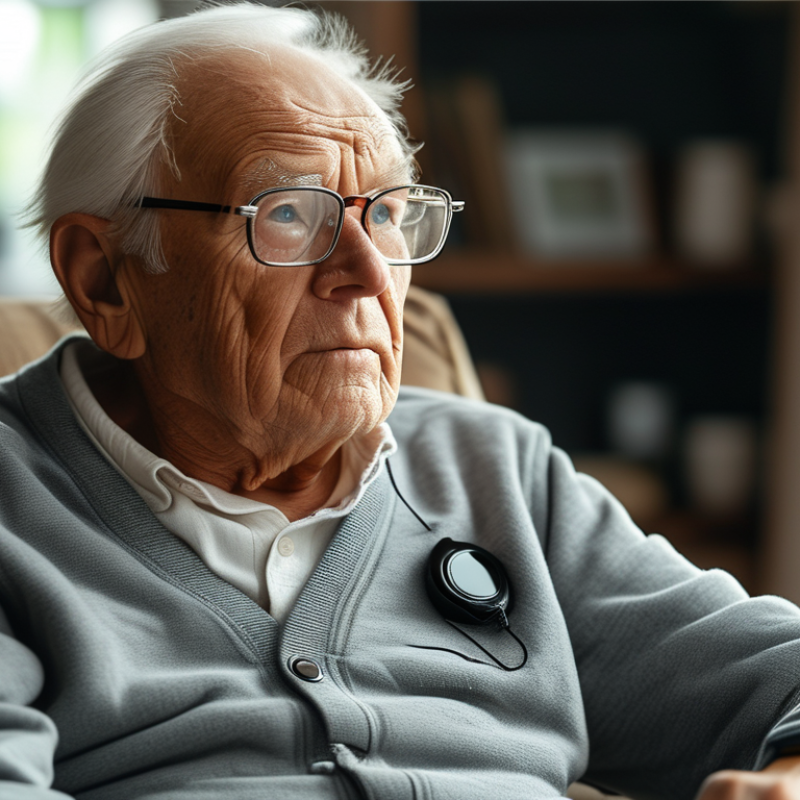
Elderly wearables have gained popularity, but they also come with technological challenges. A recent survey revealed that 30% of older adults struggle with device setup. Complicated interfaces can deter usage, leading to frustration and abandonment. Users often report limited technical support from manufacturers, amplifying their difficulties.
Moreover, connectivity issues are common. Approximately 25% of elderly users experience problems with Bluetooth connectivity. This disruption can significantly hinder the effectiveness of health monitoring. Many wearables rely on apps, but nearly 40% of users find the applications confusing. Understanding how to navigate these platforms can be a daunting task.
Battery life is another concern. Some devices need frequent charging, which can be inconvenient. In fact, 20% of users abandon devices due to short battery life. With these common issues, it is clear that wearables for the elderly require ongoing refinement. The industry must focus on creating user-friendly interfaces, reliable connectivity, and longer-lasting batteries to enhance the user experience.
The increasing popularity of wearable devices among seniors brings many benefits. However, privacy and data security remain significant concerns. Many elderly users may not fully understand how their data is collected and used. This lack of awareness creates a vulnerability that hackers can exploit.
Data breaches can lead to sensitive information being accessed. Medical records, personal identification, and even location can be exposed. Seniors may feel uneasy about sharing such details. They might worry about how this data could be misused. Moreover, the inability to control shared information leaves many feeling anxious.
It's essential for wearables to be transparent about their data practices. Most devices should have clear privacy policies. Elderly users need straightforward instructions on how to protect their information. Companies should focus on making security features user-friendly. Even simple steps, like changing passwords regularly, can enhance security. Ultimately, fostering trust is crucial for seniors to benefit from these technologies.
Elderly wearables promise great benefits, but user acceptance remains a challenge. Many seniors feel uncomfortable using technology. They often worry it is too complicated. This lack of familiarity creates barriers. People may resist adopting wearables if they perceive them as intrusive or gimmicky.
Comfort is a key factor. Many wearables are not designed with elderly users in mind. The fit and usability may not align with their needs. For example, small screens can be hard to read. Additionally, some devices require frequent charging, which can be frustrating. Seniors may also feel self-conscious wearing technology that draws attention.
User training is another critical area. Many seniors might not have the skills to navigate complex interfaces. They need clear instructions and support. Without proper guidance, they may abandon the device. This raises concerns about the long-term effectiveness of wearables in enhancing care for the elderly. Addressing these issues is essential for improving user acceptance and ensuring these tools serve their intended purpose.
Battery life is a critical concern when using elderly wearables. Many devices need frequent charging, which can be challenging for older adults. Research shows that over 30% of elderly individuals find it difficult to manage battery replacements or recharges. Some devices last only a day, leading to potential usability issues.
Maintenance is another significant challenge. Wearables often require regular updates and software maintenance. Approximately 25% of older users struggle with technology changes. Many elderly wearables are also sensitive to wear and tear, needing replacements sooner than expected. Users should be prepared for malfunctioning devices and potential delays in assistance.
Tip: Choose wearables that offer easy battery access. Look for products enabling users to replace batteries without professional help.
Tip: Educate yourself and your loved ones about basic troubleshooting methods. Understanding simple fixes can reduce dependency on technical support.
Simplicity is key. Devices with user-friendly features help maintain engagement. Yet, manufacturers must pay attention to user experience and provide adequate support to alleviate potential frustrations.
As the market for elderly wearables expands, cost-effectiveness becomes a critical factor. A 2021 report by ResearchAndMarkets indicated that the global elderly wearable market's value is projected to reach $27 billion by 2026. This figure highlights the growing interest in technology designed to improve the lives of seniors.
However, the price of these devices can be a barrier. High upfront costs may discourage family members or caregivers from investing in such technology. Additionally, ongoing expenses for subscription services or software updates add to the financial burden. A survey conducted by Pew Research found that 41% of seniors feel that the costs associated with wearable tech outweigh the benefits.
Understanding the value of elderly wearables requires assessing their potential to reduce healthcare costs. The American Health Association reported that remote monitoring through wearables could save healthcare systems billions annually. This insight suggests that while initial expenditures may seem steep, the long-term health benefits could ultimately provide significant savings in managing chronic conditions. Nevertheless, it is essential to acknowledge that not all wearables deliver the promised outcomes, leaving many users in a state of uncertainty regarding their efficacy.
: About 30% struggle with device setup. Complicated interfaces can lead to frustration and abandonment.
Approximately 25% of users experience Bluetooth problems. These issues hinder effective health monitoring.
Nearly 40% find applications confusing. Navigating these platforms can be daunting for older adults.
Many devices need frequent charging. Around 20% of users abandon devices due to short battery life.
Many feel uncomfortable or perceive wearables as intrusive. This can create barriers to acceptance.
Many designs don’t suit elderly needs. Small screens and frequent charging can be frustrating.
Clear instructions and support are crucial. Without guidance, many may abandon their devices.
Regular updates and battery issues are common. Over 30% struggle with managing battery replacements.
Choose devices with easy battery access and learn basic troubleshooting. This can reduce reliance on support.
They should focus on user-friendly features and provide adequate support to alleviate frustrations.
As the adoption of elderly wearables increases, understanding what are common concerns when using elderly wearables becomes essential. One significant issue revolves around technological challenges faced by older users, who may struggle with complex interfaces or unreliable connectivity. Furthermore, privacy and data security are critical considerations, as seniors may be hesitant to share their personal health information due to potential breaches or misuse.
User acceptance is another barrier, as comfort and usability play pivotal roles in a senior's willingness to adopt these technologies. Additionally, practical aspects such as battery life and ongoing maintenance can deter usage, requiring devices that are not only reliable but also easy to manage. Lastly, evaluating the cost-effectiveness of elderly wearables is crucial, as seniors and their caregivers must weigh the benefits against the financial investment required for these technologies.

TC Health