2026 How to Choose Monitoring Devices for Caregivers?

Time:2026-06-07 Author:Mason
0%

In today's rapidly evolving healthcare landscape, the role of caregivers is becoming increasingly crucial. According to a report by the National Alliance for Caregiving, approximately 53 million Americans provide unpaid care to adults. This dramatic rise emphasizes the need for effective monitoring devices. However, the question remains: what features should caregivers look for in monitoring devices?

Selecting the right monitoring device can significantly ease caregivers' burdens. Features such as real-time alerts, ease of use, and data privacy are essential. Additionally, devices that integrate health monitoring functions like heart rate and medication reminders can enhance caregiver efficiency. The demand for such technology is projected to grow, with the global market expected to reach $10 billion by 2027. Despite this growth, many caregivers feel overwhelmed by choices. Understanding these features can lead to better outcomes for both caregivers and their loved ones.

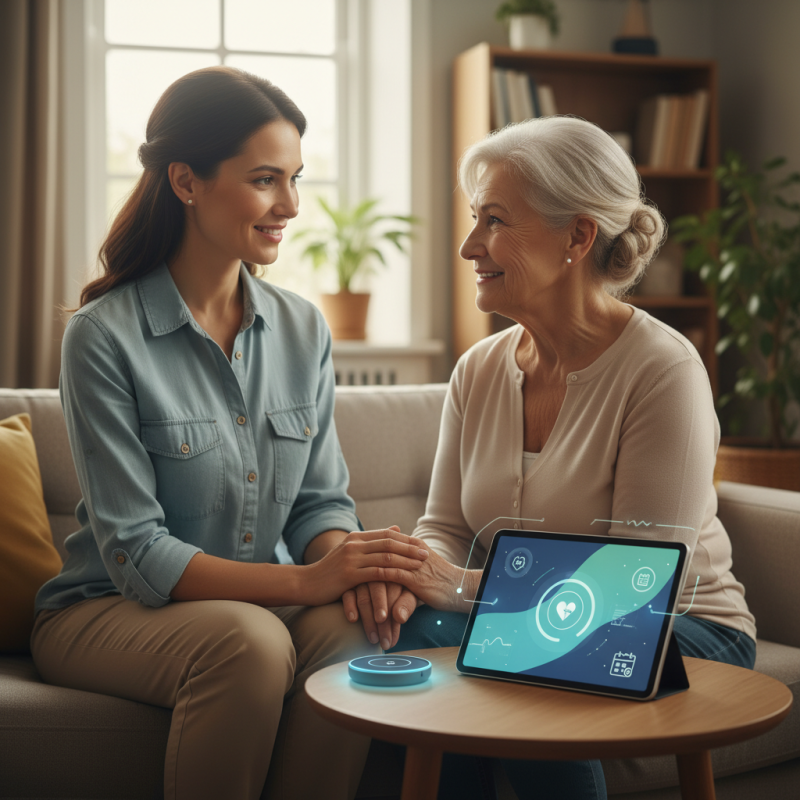
The balance between technology and human touch is crucial. While devices can aid in monitoring, there remains the risk of over-reliance on technology. Caregivers should remain vigilant and not lose sight of the emotional aspects of care. Ultimately, the right monitoring device will support caregivers while fostering personal connections.
2026 How to Choose Monitoring Devices for Caregivers?

Understanding the Role of Monitoring Devices in Caregiving

The role of monitoring devices in caregiving is becoming increasingly important. These tools provide caregivers with real-time data about a person’s health and well-being. For example, heart rate monitors can alert caregivers to emergencies. Similarly, motion sensors can track a loved one's daily activities, offering peace of mind.

Choosing the right device can be challenging. Caregivers should think about specific needs. Some may require devices that monitor vital signs. Others might benefit from fall detection technology. It’s essential to assess the latest features without getting overwhelmed. Many devices may not offer the data you expect. Reflecting on what truly matters can guide your choice.

Devices should also be user-friendly. Complicated technology can frustrate caregivers, especially in stressful situations. Simplicity is key. It saves time and reduces the chance of error. Not every device will fit every situation. Evaluating the pros and cons of each option can lead to better caregiving decisions.

Identifying the Needs of the Care Recipient for Effective Monitoring

When choosing monitoring devices for caregivers, understanding the specific needs of the care recipient is crucial. The National Institute on Aging (NIA) reports that 85% of caregivers feel overwhelmed. This highlights the importance of tailored solutions. Devices should address individual conditions, such as mobility issues or cognitive challenges. For instance, a recent survey revealed that 64% of elderly individuals prefer wearable devices for safety and health tracking.

Cognitive impairments often require devices that can provide reminders or alerts. According to a study published by the Journal of Medical Internet Research, 70% of caregivers found monitoring systems helped reduce anxiety, allowing them to focus on caregiving. Conversational devices can also bridge communication gaps. Yet, caregivers must reflect on their own tech proficiency. Sometimes, a device too advanced can complicate things rather than assist.

Evaluating the environment of the care recipient is equally important. Will the device work effectively in their home? As reported in a 2022 caregiver survey, 58% of respondents encountered issues with signal strength in certain areas of their home. Understanding both the care recipient and the home environment creates a foundation for effective monitoring.

Evaluating Different Types of Monitoring Devices Available

When evaluating monitoring devices for caregivers, it's crucial to understand the types available. Options range from wearable devices to home monitoring systems. A recent industry report indicates a significant rise in the use of smart technologies in elder care, with nearly 42% of caregivers employing some form of digital monitoring by 2025. This trend illustrates the mounting reliance on technology for enhanced caregiving support.

Consider the specific needs of the patient. Wearable devices often track vital signs, providing real-time alerts to caregivers. Meanwhile, home monitoring systems can detect movement patterns, ensuring safety. An estimated 60% of caregivers value alerts that can predict potential health issues. Choosing the right device can improve response times and decrease emergency incidents.

Tips: Always check battery life for wearable devices. A dying battery could lead to missed alerts. Assess the ease of use as well; complex devices may confuse both caregivers and patients. Regularly review device data; a lack of understanding could lead to missed insights into patient health. Remember, technology should enhance caregiving, not complicate it.

Key Features to Consider When Choosing Monitoring Devices

When selecting monitoring devices for caregivers, several crucial features should guide your choice. The interface must be user-friendly, allowing caregivers to operate the device effortlessly. Complex controls can hinder timely responses in emergencies. Additionally, consider the device's battery life. A short battery lifespan may create gaps in monitoring, leading to potential risks.

Connectivity is another key aspect. Devices should ideally integrate with smartphones or tablets for real-time updates. This integration enhances communication between caregivers and healthcare providers. Look for devices that offer alerts, as immediate notifications can significantly improve patient safety. Nonetheless, excessive alerts can become overwhelming, leading caregivers to ignore them.

Lastly, think about the type of data the device collects. Not all monitoring needs are the same. Up-to-date health metrics are essential, but consider how this data is presented. Cluttered displays can confuse users. Seek devices that balance comprehensive data collection with simplicity in data presentation. Effective monitoring is not just about gathering information; it’s about making that information accessible and actionable.

Assessing Budget and Cost-Effectiveness of Monitoring Options

Choosing the right monitoring devices for caregivers involves careful consideration of budget and cost-effectiveness. Assessing various options requires understanding initial costs, ongoing expenses, and the potential for savings in healthcare. Caregivers can start by evaluating the types of devices available, such as wearables, cameras, or smart home technology. Each option has unique pricing, which can impact their overall budget.

Cost-effectiveness plays a crucial role in this decision-making process. A device that seems cheap initially might incur high monthly fees or require frequent updates. Caregivers should consider the long-term costs, not just the purchase price. Importantly, they must weigh how these devices can enhance patient care and save time, which could lead to better financial outcomes.

Research shows that effective monitoring can reduce emergency calls and hospital visits. While cheaper options exist, they may lack essential features. Balancing cost with quality is a continuous challenge in this process. Not all caregivers have extensive budgets, yet the need for reliable monitoring persists. Reflecting on personal experiences may help caregivers determine what devices truly meet their needs without overspending.

FAQS

: What is the primary role of monitoring devices in caregiving?

: Monitoring devices provide real-time health data, alerting caregivers to emergencies and helping them track daily activities.

How can caregivers choose the right monitoring device?

Caregivers should assess specific needs, like vital sign monitoring or fall detection technology, and reflect on what's most important.

Why is user-friendliness important in these devices?

Complicated technology can be frustrating. Simple devices save time and reduce errors in stressful caregiving situations.

What should caregivers consider about the care recipient’s needs?

Understanding individual conditions, like mobility or cognitive challenges, is crucial for selecting effective monitoring devices.

How can the home environment affect device performance?

Signal strength issues can arise in different home areas, impacting how well monitoring devices work.

What financial aspects should caregivers consider when selecting devices?

Caregivers must evaluate initial costs, ongoing fees, and potential healthcare savings to ensure cost-effectiveness.

Why might a low-cost device not be the best option?

Cheaper devices may lack essential features or incur high monthly costs, leading to less effective monitoring in the long run.

How can effective monitoring impact emergency calls?

Research shows effective monitoring can reduce the number of emergency calls and hospital visits for caregivers.

What is a common concern for caregivers using monitoring devices?

Many caregivers feel overwhelmed, highlighting the need for devices tailored to their unique situations.

How can personal experiences help in choosing a device?

Reflecting on past experiences can guide caregivers in selecting devices that truly meet their needs without overspending.

Conclusion

In the caregiving landscape, monitoring devices play a crucial role in ensuring the safety and well-being of care recipients. To effectively choose suitable monitoring devices, caregivers should first understand the specific needs of the individual they are caring for. This involves evaluating the type of monitoring required, whether for health conditions, mobility issues, or general safety.

When assessing monitoring devices, caregivers should consider what features should caregivers look for in monitoring devices, such as ease of use, real-time alerts, and data tracking capabilities. Evaluating different types of devices available in the market, along with their cost-effectiveness and budget constraints, will enable caregivers to make informed decisions that best suit their needs and those of their care recipients. Ultimately, selecting the right monitoring devices can greatly enhance the quality of care provided.

Mason

Mason

Mason is a seasoned marketing professional with a deep expertise in the company's offerings and a passion for driving brand awareness. With a strong background in digital marketing strategies, he has an innate ability to connect with diverse audiences and effectively communicate product benefits.......