Living alone can feel empowering, but small household hazards may become serious without quick help. This guide examines China’s top 10 elderly safety products for seniors living alone. It focuses on practical protection, not unnecessary technology.
To understand how to ensure safety for elderly living alone, we should combine products with daily routines and human support. Joseph Coughlin, director of the MIT AgeLab, has said, “The future of aging is not about old people; it’s about all of us.” His view supports a balanced approach. Safety should protect independence, dignity, and personal choice.
The selected products include medical alert devices, fall-detection sensors, smart door locks, brighter motion-activated lights, and stove shut-off systems. Medication dispensers, nonslip floor aids, bathroom grab bars, indoor cameras, and emergency contact tools also deserve attention. Each product solves a different risk. A wearable alarm may help after a bathroom fall. A hallway light can reduce a midnight stumble. Yet no device is perfect. Batteries fail. Internet connections drop. Some seniors may dislike cameras or complicated screens. Families should test each product in the actual home, check alert response times, and explain the controls patiently. A weekly call still matters. Real safety is not created by buying ten products alone; it grows through thoughtful installation, regular maintenance, and respectful communication.
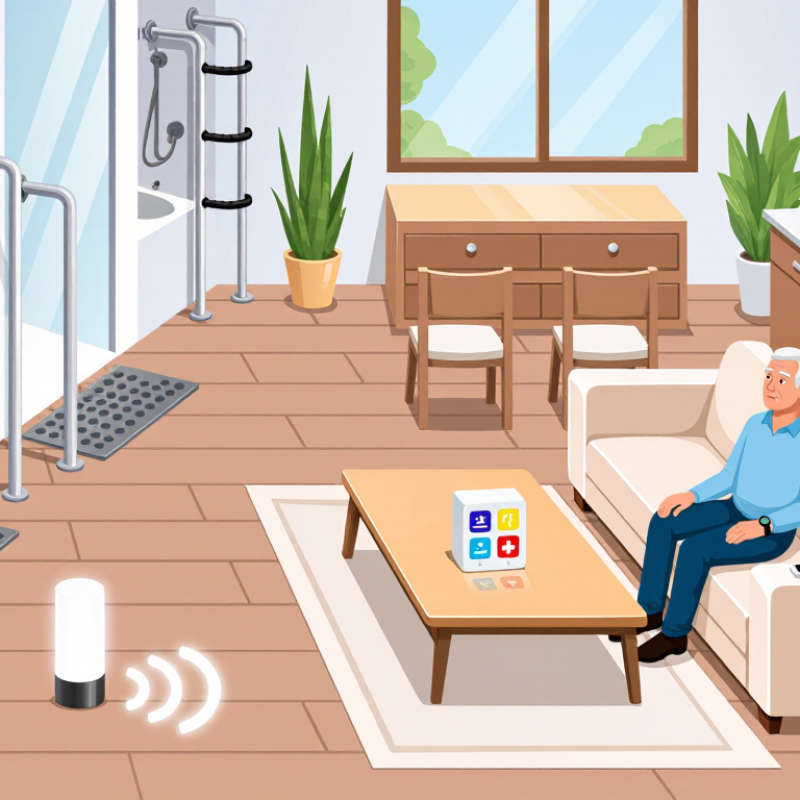
Elderly safety products are practical tools that reduce falls, improve visibility, and summon assistance when a senior lives alone. They include non-slip flooring, bathroom grab bars, brighter lighting, stove shut-off devices, medication organizers, mobility aids, and emergency call systems. Their purpose is not to make a home feel clinical. It is to make ordinary routines safer, such as stepping into a shower or walking to the kitchen at night.
The need is substantial. The Centers for Disease Control and Prevention reports that more than one in four adults aged 65 and older falls each year. The World Health Organization also estimates about 684,000 fatal falls globally each year, with adults over 60 facing the greatest risk. A fall can cause fractures, fear, and reduced independence. For someone living alone, delayed help may make a manageable injury far more serious. A simple wearable alert or strategically placed grab bar can shorten that dangerous gap.
Good safety choices should match the person, not only the room. A loose mat may look helpful but create a tripping hazard. Bed rails can also require professional assessment because improper use may cause entrapment. Regular checks matter: test alert batteries, clear narrow walkways, and place phones within reach. No product is foolproof. A senior may forget to wear an alert device, or feel embarrassed using one. That human detail is easy to overlook. Safety planning works better when it respects comfort, habits, eyesight, balance, and the senior’s willingness to use each product.
These products are organized by the primary safety risk they help address. Falls are the leading cause of injury-related harm among older adults, while emergency communication, fire prevention, medication management, and home monitoring are also important for seniors living alone.
The values represent the number of major safety functions commonly supported by each product category, including fall prevention, emergency response, fire protection, health monitoring, medication support, and home security. Product selection should be adapted to individual health conditions and home layouts.
Choosing safety products for older adults living independently in China requires more than buying the newest device. Start with the home itself. Bathrooms may have slippery tiles, narrow entrances, and poor nighttime lighting.
Useful options include non-slip mats, securely installed grab bars, motion-sensor lights, smoke and gas alarms, emergency call buttons, fall detection devices, door sensors, blood pressure monitors, pill organizers, and rechargeable flashlights.
Fit matters more than quantity. A safety device should have large controls, clear Mandarin instructions, loud alerts, and simple charging. Check whether it works during power or internet interruptions.
For emergency communication, confirm that relatives, community workers, or local medical services can respond quickly. Products should also follow applicable Chinese safety requirements and include understandable maintenance guidance.
An occupational therapist or qualified healthcare professional can assess walking ability, vision, hearing, and medication risks before purchase.
Test everything in the actual home. Place the emergency button beside the bed, not in a drawer. Secure grab bars into suitable structural surfaces, because suction models may fail unexpectedly.
Replace batteries on schedule. Keep instructions visible.
A perfect device does not exist. Some older adults may reject alarms because they feel watched or dependent. That concern deserves respect. The best choice may need patience, repeated practice, and one honest review after several weeks of daily use.
China’s ageing population makes home safety increasingly practical, not optional. In 2024, China’s National Bureau of Statistics reported over 310 million people aged 60 or above. For seniors living alone, useful protection begins with simple, visible devices: a medical alert pendant, wearable fall detector, bedside SOS button, smart smoke alarm, carbon monoxide detector, door sensor, motion sensor, bed-exit sensor, water-leak detector, and GPS emergency locator.
These devices cover different risks inside and outside the home. A pendant should connect quickly after a fall, even when the user cannot reach a phone. Motion sensors can reveal unusual inactivity near the kitchen or bathroom. Bed-exit sensors may alert a family member after a nighttime fall. Smoke and carbon monoxide alarms need loud local alerts, not only mobile notifications.
Practical testing matters. Place an SOS button beside the bed and bathroom, then press it during a family drill. Check whether alerts reach a real person within minutes. A camera can reassure relatives, yet it may feel intrusive in private spaces. I would use it carefully, or avoid it. Battery failure is another overlooked weakness. China’s elderly-care guidance emphasizes accessible, age-friendly environments, but no device works perfectly without maintenance, clear instructions, and a trusted emergency contact.
China’s ageing population makes practical home safety increasingly important. The National Bureau of Statistics reported that people aged 60 and above exceeded 310 million in 2024. For seniors living alone, mobility and fall prevention should guide product selection. A height-adjustable walking cane, four-wheel rollator, wheelchair cushion, bedside rail, and raised toilet seat can support safer daily movement. However, a cane is not automatically safer. Incorrect height or poor grip may increase instability.
Fall prevention also requires environmental changes. Non-slip bathroom mats, wall-mounted grab bars, shower seats, and motion-sensor night lights reduce risky steps around toilets, beds, and corridors. The World Health Organization reports that falls cause about 684,000 deaths globally each year. Adults over 60 experience the greatest number of fatal falls. A clear walkway matters too. Loose wires and small floor objects can defeat expensive equipment.
Personal protection products add another layer. A wearable emergency call button, door-open alert, medication reminder, and simple video intercom can help relatives respond quickly. The U.S. CDC estimates that one in four adults aged 65 and above falls annually, although this figure should not be applied directly to China. Product fit remains personal. Some alarms are too complicated, and some rails are poorly installed. Professional assessment, regular practice, and honest review are still necessary.
For seniors living alone in China, safety begins with ordinary daily routines. A non-slip bathroom mat, wall-mounted grab bars, and a stable shower chair can reduce falls near wet floors. Motion-sensor night lights help guide steps from the bedroom to the toilet. A raised toilet seat may also ease painful movement. These tools should fit the person’s height, strength, and home layout. Professional installation matters.
Health support needs simple systems. A weekly pill organizer, talking clock, digital thermometer, and home blood-pressure monitor can make routines clearer. Medication schedules should follow a doctor or pharmacist’s instructions. Measurements should be recorded, not guessed. A large-button mobile phone and an emergency call pendant support fast communication. Some older adults may dislike wearing a pendant. That weakness deserves attention.
Tips: Keep emergency numbers beside the phone. Test the pendant, phone, and lights every week. Replace batteries before they fail. Remove loose rugs and crowded furniture. Ask a clinician to check monitor technique twice yearly. Do not treat one unusual reading as a diagnosis. Even useful products can become clutter. Observe how the senior actually uses them, then adjust the setup.
| No. | Product Category | Primary Safety Purpose | Typical Specifications in China | Important Functions | Best Location or Use | Indicative Retail Price (RMB) |
Key Selection and Use Notes |
|---|---|---|---|---|---|---|---|
| 1 | Anti-Slip Bathroom Mat | Reduces slipping when entering, exiting, or standing in wet areas. | Common sizes: approximately 40 × 60 cm or 50 × 80 cm; rubber or PVC backing; textured upper surface. | Water drainage, non-slip backing, quick-drying surface, washable construction. | Bathroom entrance, shower area, and beside the sink. | ¥20–80 | Choose a mat that lies flat without curled edges. Clean and dry it regularly because soap residue and moisture reduce traction. |
| 2 | Bathroom Grab Bar | Provides a stable handhold for transfers and balance support. | Typical lengths: 30–60 cm; stainless steel or reinforced plastic; fixed or suction-assisted types. | Textured grip, corrosion resistance, horizontal or vertical mounting options. | Near the toilet, shower entrance, or bathtub transfer point. | ¥40–180 | A permanently anchored bar is generally safer than a suction-only model. Installation should be checked for wall strength and secure fastening. |
| 3 | Motion-Activated Night Light | Improves visibility and reduces trips during nighttime movement. | Usually 0.5–3 W LED; rechargeable or battery-powered; detection range commonly 2–5 m. | Automatic motion sensing, low-glare illumination, dusk or darkness activation. | Bedroom-to-bathroom route, hallway, stairs, and bedside floor area. | ¥25–100 | Use warm, non-glare light and keep cables away from walking paths. Test the sensor position after installation. |
| 4 | Personal Emergency Alarm Pendant | Allows a senior to request help after a fall, sudden illness, or other emergency. | Wearable pendant or wrist device; emergency button; some models use cellular or Wi-Fi connectivity. | SOS calling, two-way voice communication, location sharing on supported models, low-battery alert. | Wear continuously at home and carry outdoors when appropriate. | ¥100–600; connectivity fees may apply | Program trusted contacts in advance. Test the alarm monthly and confirm indoor signal coverage. |
| 5 | Weekly Pill Organizer with Alarms | Helps prevent missed doses and accidental duplicate doses. | Seven-day format; one to four compartments per day; electronic models may have timed reminders. | Large labels, removable compartments, audible or vibrating reminders, lockable storage on some models. | Kitchen counter, bedside table, or medication preparation area. | ¥20–200 | A caregiver or pharmacist should verify the schedule. Keep medicines in original packaging when light, moisture, or identification is important. |
| 6 | Automatic Blood Pressure Monitor | Supports routine blood-pressure monitoring for people advised to measure at home. | Upper-arm cuff preferred for routine measurement; common cuff range about 22–42 cm; digital display. | Irregular-heartbeat indicator, memory storage, average readings, measurement error alert. | Seated at a table with the arm supported at heart level. | ¥100–500 | Use the correct cuff size and rest quietly for about five minutes before measuring. Home readings do not replace medical advice. |
| 7 | Fingertip Pulse Oximeter | Provides a spot check of blood oxygen saturation and pulse rate when clinically appropriate. | Finger-clip device; usually displays SpO₂ and pulse rate; powered by two small batteries or rechargeable power. | Low-battery alert, rotating display, pulse waveform or signal-strength indicator on some models. | At home while seated and resting, when recommended by a healthcare professional. | ¥50–250 | Cold fingers, nail coverings, movement, and poor circulation can affect readings. Seek medical help for concerning symptoms rather than relying only on a number. |
| 8 | Smoke and Combustible-Gas Detectors | Provides early warning of fire or a household gas leak. | Battery-powered alarm units; loud audible alarm; smoke and gas detection are usually separate devices. | Self-test button, low-battery warning, visual status indicator, optional remote notification. | Smoke detector near sleeping areas; gas detector near relevant fuel appliances according to installation instructions. | ¥50–250 per unit | Do not install smoke alarms directly beside cooking appliances. Test monthly, replace batteries as specified, and follow local installation requirements. |
| 9 | Large-Button Emergency Phone | Makes essential calls easier for seniors with reduced vision, hearing, or dexterity. | Large high-contrast keys; amplified ringer; three to eight programmable quick-dial buttons on common models. | Speakerphone, photo or labeled speed-dial keys, call-history display, emergency-contact button. | Near the bed, living-room chair, or another frequently occupied location. | ¥60–300 | Pre-program family and emergency numbers, keep the handset accessible, and check power or battery backup regularly. |
| 10 | Adjustable Walking Cane with Non-Slip Tip | Improves balance and confidence for seniors who need light walking support. | Adjustable height; aluminum shaft; rubber tip; common handle styles include offset and ergonomic grips. | Height adjustment, wrist strap, reflective section, replaceable rubber ferrule. | Indoor corridors, outdoor sidewalks, and short-distance walking when clinically suitable. | ¥40–180 | The handle should generally align near the wrist crease when standing upright. A physiotherapist should assess whether a cane, walker, or other aid is most appropriate. |
Data note: Specifications and prices are indicative ranges for commonly sold product categories in China and vary by material, functions, installation method, region, and compliance documentation. Health-monitoring devices should be used according to professional medical advice; emergency products should be tested regularly.
They are practical tools that reduce falls, improve visibility, and summon help. Examples include grab bars, brighter lights, medication organizers, and emergency buttons. Not a clinical home.
A fall can cause a fracture, fear, or lost independence. Delayed help may worsen a manageable injury. Quick assistance matters.
Non-slip flooring and firmly installed grab bars can improve stability. Place support near the shower and toilet. Loose mats may create danger.
Seniors may use a wearable alert, bedside SOS button, or fall detector. The device should connect with a trusted person quickly. Test it often.
Brighter lights can improve visibility in hallways, bathrooms, and kitchens. Add lighting along nighttime routes, especially beside the bed. Dark floors hide hazards.
Motion sensors, door sensors, bed-exit sensors, and water-leak detectors can reveal unusual activity. Use cameras carefully because private spaces may feel uncomfortable. Privacy still matters.
Place an SOS button beside the bed and bathroom. Press it during a family drill. Check whether a real person responds within minutes.
Batteries can fail, and seniors may forget to wear alert devices. Some people may feel embarrassed using them. Products are not foolproof.
Match each product to the senior’s eyesight, balance, habits, and comfort. Keep phones within reach and clear narrow walkways. The best device is one they actually use.
This guide introduces the top 10 elderly safety products for seniors living alone in China, explaining what these tools are and why they matter for independent older adults. It explores how to ensure safety for elderly living alone through practical solutions such as emergency alert buttons, home monitoring devices, door and motion sensors, smart lighting, fall-prevention supports, non-slip equipment, walking aids, personal protection tools, medication organizers, and easy-to-use communication devices. Together, these products can help seniors respond quickly to emergencies, reduce household risks, and maintain confidence in daily life.
The article also explains how to choose suitable safety products according to an older person’s mobility, health condition, living environment, digital skills, and budget. Key considerations include simple operation, reliable alerts, comfortable design, clear instructions, privacy protection, and dependable support. By combining monitoring, emergency communication, mobility assistance, health management, and everyday safety tools, families can create a more secure home while respecting seniors’ independence and dignity.

TC Health